• Discover personalized wellness care at Hannah Integrative Health through acupuncture for hormonal balance. Our experienced practitioners, Dr. Milim Jeon and Dr. Jun Yoo, use traditional acupuncture techniques and integrative medicine to create treatment plans based on individual health concerns and wellness goals. We focus on supporting whole-body health while complementing healthy lifestyle habits. Located in Newport Beach, CA, our clinic provides compassionate care in a welcoming environment. Choose Hannah Integrative Health for a personalized and holistic approach to your wellness journey.
    Visit : https://www.hihealth.care/acupuncture-hormonal-balance
    Discover personalized wellness care at Hannah Integrative Health through acupuncture for hormonal balance. Our experienced practitioners, Dr. Milim Jeon and Dr. Jun Yoo, use traditional acupuncture techniques and integrative medicine to create treatment plans based on individual health concerns and wellness goals. We focus on supporting whole-body health while complementing healthy lifestyle habits. Located in Newport Beach, CA, our clinic provides compassionate care in a welcoming environment. Choose Hannah Integrative Health for a personalized and holistic approach to your wellness journey. Visit : https://www.hihealth.care/acupuncture-hormonal-balance
    Acupuncture for Hormonal Balance at Newport Beach - HI Health
    Balance the recurrent hormonal fluctuations that occur due to various causes with effective therapy of acupuncture for hormonal balance in Newport Beach!
    0 Комментарии 0 Поделились 14 Просмотры 0 предпросмотр
  • Medical aesthetics is experiencing a clear paradigm shift: patients are moving away from radical cosmetic surgeries and over-filled dermal fillers toward natural biorevitalization and preventative regenerative care.

    Source @ https://www.maximizemarketresearch.com/market-report/global-mesotherapy-market/115142/

    At the center of this transition is the Global Mesotherapy Market, propelled by three major trends:

    Cellular Biorevitalization: Rather than freezing muscles or adding artificial volume, clinicians deliver micro-doses of non-cross-linked hyaluronic acid, biomimetic peptides, and polynucleotides (PDRN) straight into the mesoderm to stimulate native collagen and cellular hydration.

    The Scalp & Hair Restoration Boom: Scalp mesotherapy is becoming a primary clinical therapy for early-to-moderate androgenetic alopecia, delivering concentrated nutrients directly to follicles without systemic side effects.

    Smart Meso-Guns & Needle-Free Delivery: Digital automated injectors, calibrated micro-needling pens, and transdermal electroporation systems are eliminating operator inconsistency, minimizing bruising, and opening doors for needle-averse patients.

    As younger demographics adopt "pre-rejuvenation" routines in their 20s and 30s, clinics that combine certified, pharmaceutical-grade meso-cocktails with automated injection technologies are locking in high-margin, recurring patient visits.

    What is driving more traffic to your practice today: facial skin boosters or non-surgical hair restoration?

    #Mesotherapy #MedicalAesthetics #SkinBoosters #AestheticMedicine #Dermatology #AntiAging #HairRestoration #MedSpa #CosmeticDermatology
    Medical aesthetics is experiencing a clear paradigm shift: patients are moving away from radical cosmetic surgeries and over-filled dermal fillers toward natural biorevitalization and preventative regenerative care. Source @ https://www.maximizemarketresearch.com/market-report/global-mesotherapy-market/115142/ At the center of this transition is the Global Mesotherapy Market, propelled by three major trends: Cellular Biorevitalization: Rather than freezing muscles or adding artificial volume, clinicians deliver micro-doses of non-cross-linked hyaluronic acid, biomimetic peptides, and polynucleotides (PDRN) straight into the mesoderm to stimulate native collagen and cellular hydration. The Scalp & Hair Restoration Boom: Scalp mesotherapy is becoming a primary clinical therapy for early-to-moderate androgenetic alopecia, delivering concentrated nutrients directly to follicles without systemic side effects. Smart Meso-Guns & Needle-Free Delivery: Digital automated injectors, calibrated micro-needling pens, and transdermal electroporation systems are eliminating operator inconsistency, minimizing bruising, and opening doors for needle-averse patients. As younger demographics adopt "pre-rejuvenation" routines in their 20s and 30s, clinics that combine certified, pharmaceutical-grade meso-cocktails with automated injection technologies are locking in high-margin, recurring patient visits. What is driving more traffic to your practice today: facial skin boosters or non-surgical hair restoration? #Mesotherapy #MedicalAesthetics #SkinBoosters #AestheticMedicine #Dermatology #AntiAging #HairRestoration #MedSpa #CosmeticDermatology
    WWW.MAXIMIZEMARKETRESEARCH.COM
    Mesotherapy Market Comprehensive Report on Market Size, Share, Emerging Trends and Forecast Opportunities 2025–2032
    Mesotherapy Market Size was valued at USD 0.69 Bn in 2024 and is expected to reach USD 1.97 Bn by 2032, at a CAGR of 13.94%.
    0 Комментарии 0 Поделились 351 Просмотры 0 предпросмотр
  • Nuclear medicine is officially moving from a diagnostic staple to the front lines of cancer treatment.

    Source @ https://www.maximizemarketresearch.com/market-report/global-nuclear-medicine-market/98418/

    With the rapid acceleration of theranostics and targeted radioligand therapies, clinicians are now able to see cellular targets and destroy them with micro-precision—sparing healthy tissue like never before.

    From expanding regional cyclotron networks to the clinical rise of targeted alpha therapies (like Actinium-225), the global market is gearing up for serious structural growth.

    The future of precision oncology isn’t just about treating disease—it’s about seeing it, targeting it, and tracking response in real time.

    Where do you see the biggest hurdle next: supply chain logistics or clinical adoption?

    #NuclearMedicine #Theranostics #Radiopharmaceuticals #PrecisionOncology #HealthcareInnovation #Biopharma
    Nuclear medicine is officially moving from a diagnostic staple to the front lines of cancer treatment. Source @ https://www.maximizemarketresearch.com/market-report/global-nuclear-medicine-market/98418/ With the rapid acceleration of theranostics and targeted radioligand therapies, clinicians are now able to see cellular targets and destroy them with micro-precision—sparing healthy tissue like never before. From expanding regional cyclotron networks to the clinical rise of targeted alpha therapies (like Actinium-225), the global market is gearing up for serious structural growth. The future of precision oncology isn’t just about treating disease—it’s about seeing it, targeting it, and tracking response in real time. Where do you see the biggest hurdle next: supply chain logistics or clinical adoption? #NuclearMedicine #Theranostics #Radiopharmaceuticals #PrecisionOncology #HealthcareInnovation #Biopharma
    WWW.MAXIMIZEMARKETRESEARCH.COM
    Nuclear Medicine Market Size, Growth Trends & Forecast (2026- 2034)
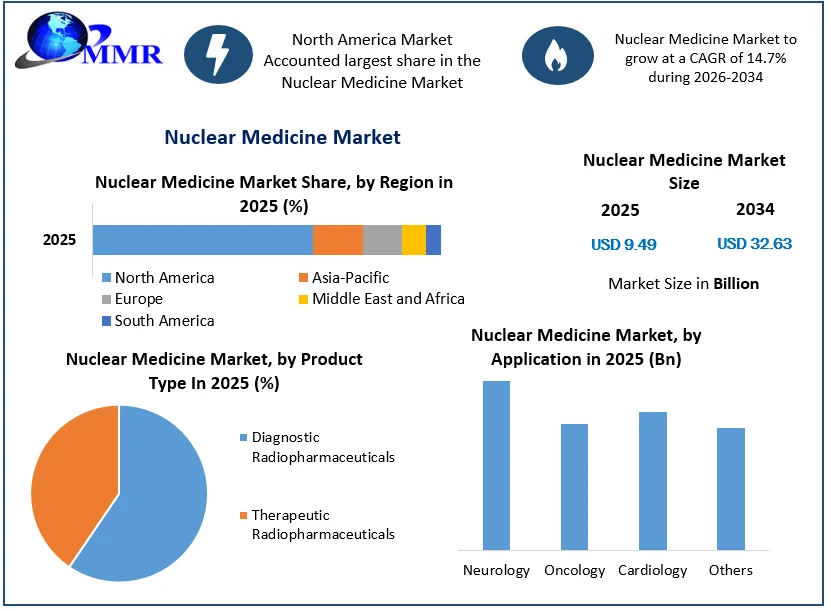
    Nuclear Medicine Market was valued at USD 9.49 Bn in 2025 and is expected to reach USD 32.63 Bn by 2034, at a CAGR of 14.7%.
    0 Комментарии 0 Поделились 364 Просмотры 0 предпросмотр
  • Small, consistent actions beat occasional bursts of effort every single time. You don’t need to overhaul your entire routine today—just win the next hour. Keep going.

    https://www.maximizemarketresearch.com/market-report/global-nuclear-medicine-market/98418/
    Small, consistent actions beat occasional bursts of effort every single time. You don’t need to overhaul your entire routine today—just win the next hour. Keep going. 🚀 https://www.maximizemarketresearch.com/market-report/global-nuclear-medicine-market/98418/
    WWW.MAXIMIZEMARKETRESEARCH.COM
    Nuclear Medicine Market Size, Growth Trends & Forecast (2026- 2034)
    Nuclear Medicine Market was valued at USD 9.49 Bn in 2025 and is expected to reach USD 32.63 Bn by 2034, at a CAGR of 14.7%.
    0 Комментарии 0 Поделились 175 Просмотры 0 предпросмотр
  • Global Tissue Engineering Market to reach $15.82B by 2033 (14.80% CAGR)! 3D bioprinting, stem cell therapies & bioengineered scaffolds are revolutionizing organ restoration and wound repair.

    Full Report https://www.maximizemarketresearch.com/market-report/global-tissue-engineering-market/73928/

    #TissueEngineering #RegenerativeMedicine #3DBioprinting #Biotech
    Global Tissue Engineering Market to reach $15.82B by 2033 (14.80% CAGR)! 🔬 3D bioprinting, stem cell therapies & bioengineered scaffolds are revolutionizing organ restoration and wound repair. Full Report https://www.maximizemarketresearch.com/market-report/global-tissue-engineering-market/73928/ #TissueEngineering #RegenerativeMedicine #3DBioprinting #Biotech
    0 Комментарии 0 Поделились 472 Просмотры 0 предпросмотр
  • The standard of veterinary care is rapidly shifting from 2D radiography to high-precision 3D imaging.

    Driven by pet humanization, expanding pet insurance coverage, and the rise of specialty referral networks, the Veterinary CT Scanner Market is experiencing substantial global adoption. Advanced multi-slice and low-dose cone-beam CT (CBCT) systems are enabling practitioners to perform complex oncology staging, orthopedic evaluations, and trauma diagnostics with shorter scan times and minimal sedation risks.

    For clinical networks and practice leaders, in-house computed tomography is moving from an aspirational luxury to an essential clinical and revenue-generating asset.

    Explore the market dynamics, technological shifts, and growth forecasts shaping the industry:

    Download PDF Brochure: https://www.maximizemarketresearch.com/request-sample/14612/

    Full Strategic Report: https://www.maximizemarketresearch.com/market-report/veterinary-ct-scanner-market/14612/

    #VeterinaryMedicine #MedicalImaging #VetTech #AnimalHealth #VeterinaryCT #HealthcareInnovation #MarketResearch
    The standard of veterinary care is rapidly shifting from 2D radiography to high-precision 3D imaging. Driven by pet humanization, expanding pet insurance coverage, and the rise of specialty referral networks, the Veterinary CT Scanner Market is experiencing substantial global adoption. Advanced multi-slice and low-dose cone-beam CT (CBCT) systems are enabling practitioners to perform complex oncology staging, orthopedic evaluations, and trauma diagnostics with shorter scan times and minimal sedation risks. For clinical networks and practice leaders, in-house computed tomography is moving from an aspirational luxury to an essential clinical and revenue-generating asset. Explore the market dynamics, technological shifts, and growth forecasts shaping the industry: Download PDF Brochure: https://www.maximizemarketresearch.com/request-sample/14612/ Full Strategic Report: https://www.maximizemarketresearch.com/market-report/veterinary-ct-scanner-market/14612/ #VeterinaryMedicine #MedicalImaging #VetTech #AnimalHealth #VeterinaryCT #HealthcareInnovation #MarketResearch
    WWW.MAXIMIZEMARKETRESEARCH.COM
    Request Sample
    for Request Sample fill the form
    0 Комментарии 0 Поделились 581 Просмотры 0 предпросмотр
  • Preimplantation Genetic Testing Market: Global Industry Analysis by Size, Share, Growth, Sourcing Strategy, Scope, Demand and Forecast to 2034

    Emergen Research presents an in-depth analysis of the Global Preimplantation Genetic Testing Market, offering a detailed understanding of industry trends, growth patterns, and future opportunities. By considering historical data from earlier years and using 2019 as the base year, the study delivers a clear and structured outlook of how the Preimplantation Genetic Testing market is expected to evolve.

    The research content has been designed to assist investors, stakeholders, and business strategists in making informed decisions. It provides strategic recommendations that enable organizations to maximize returns on their investments while identifying new avenues for growth. The study carefully evaluates both established players and emerging participants in the market, helping businesses understand the competitive positioning and future potential of different companies.

    Preimplantation Genetic Testing Market Size and Overview

    The preimplantation genetic testing market is expected to grow from an estimated USD 0.8 billion in 2024 to USD 2.2 billion in 2033, at a CAGR of 11.90%.

    The global preimplantation genetic testing market size is expected to grow from 0.8 billion by the end of 2024 to 2.2 billion by 2033, registering a revenue CAGR of 11.90% during the forecast period. Preimplantation genetic testing (PGT) is gaining significant attention within the global assisted reproductive technologies (ART) industry.

    The advancement in PGT methods is driving better outcomes for families experiencing infertility, as it allows the identification of genetic conditions in embryos prior to implantation. According to the American Society for Reproductive Medicine (ASRM), the prevalence of genetic disorders, including aneuploidy and single gene disorders, has spurred the growth of the PGT market. Additionally, PGT procedures enable the selection of healthy embryos for implantation, which enhances pregnancy rates and reduces the risk of genetic diseases.

    Furthermore, the increasing use of advanced technologies like next-generation sequencing (NGS) and fluorescence in situ hybridization (FISH) is contributing to the robust market growth. The market is further being propelled by rising awareness of genetic screening among patients and the availability of improved treatment options through fertility clinics and diagnostic laboratories.

    Market trends indicate a growing preference for non-invasive methods and improved genetic testing solutions. For instance, a report by the International Society for Prenatal Diagnosis (ISPD) noted that over 15 million genetic testing procedures were conducted globally in 2023, showcasing the expanding need for genetic screening in reproductive health. This market expansion is also supported by technological innovations, such as single-nucleotide polymorphism (SNP) testing and advances in genomic analysis, which allow for more precise and reliable genetic profiling.

    A key feature of the report is its ability to address critical business questions that directly impact market strategies. It explores which segments are expected to demonstrate strong growth, how consumer demand is likely to shift, and what macroeconomic and microeconomic factors are influencing the market. Additionally, it provides insights into the role of technological advancements and research and development activities in shaping the future of the Preimplantation Genetic Testing market.

    Request Free Sample Copy (To Understand the Complete Structure of this Report [Summary + TOC]) @ https://www.emergenresearch.com/request-free-sample/4006
    Preimplantation Genetic Testing Market: Global Industry Analysis by Size, Share, Growth, Sourcing Strategy, Scope, Demand and Forecast to 2034 Emergen Research presents an in-depth analysis of the Global Preimplantation Genetic Testing Market, offering a detailed understanding of industry trends, growth patterns, and future opportunities. By considering historical data from earlier years and using 2019 as the base year, the study delivers a clear and structured outlook of how the Preimplantation Genetic Testing market is expected to evolve. The research content has been designed to assist investors, stakeholders, and business strategists in making informed decisions. It provides strategic recommendations that enable organizations to maximize returns on their investments while identifying new avenues for growth. The study carefully evaluates both established players and emerging participants in the market, helping businesses understand the competitive positioning and future potential of different companies. Preimplantation Genetic Testing Market Size and Overview The preimplantation genetic testing market is expected to grow from an estimated USD 0.8 billion in 2024 to USD 2.2 billion in 2033, at a CAGR of 11.90%. The global preimplantation genetic testing market size is expected to grow from 0.8 billion by the end of 2024 to 2.2 billion by 2033, registering a revenue CAGR of 11.90% during the forecast period. Preimplantation genetic testing (PGT) is gaining significant attention within the global assisted reproductive technologies (ART) industry. The advancement in PGT methods is driving better outcomes for families experiencing infertility, as it allows the identification of genetic conditions in embryos prior to implantation. According to the American Society for Reproductive Medicine (ASRM), the prevalence of genetic disorders, including aneuploidy and single gene disorders, has spurred the growth of the PGT market. Additionally, PGT procedures enable the selection of healthy embryos for implantation, which enhances pregnancy rates and reduces the risk of genetic diseases. Furthermore, the increasing use of advanced technologies like next-generation sequencing (NGS) and fluorescence in situ hybridization (FISH) is contributing to the robust market growth. The market is further being propelled by rising awareness of genetic screening among patients and the availability of improved treatment options through fertility clinics and diagnostic laboratories. Market trends indicate a growing preference for non-invasive methods and improved genetic testing solutions. For instance, a report by the International Society for Prenatal Diagnosis (ISPD) noted that over 15 million genetic testing procedures were conducted globally in 2023, showcasing the expanding need for genetic screening in reproductive health. This market expansion is also supported by technological innovations, such as single-nucleotide polymorphism (SNP) testing and advances in genomic analysis, which allow for more precise and reliable genetic profiling. A key feature of the report is its ability to address critical business questions that directly impact market strategies. It explores which segments are expected to demonstrate strong growth, how consumer demand is likely to shift, and what macroeconomic and microeconomic factors are influencing the market. Additionally, it provides insights into the role of technological advancements and research and development activities in shaping the future of the Preimplantation Genetic Testing market. Request Free Sample Copy (To Understand the Complete Structure of this Report [Summary + TOC]) @ https://www.emergenresearch.com/request-free-sample/4006
    0 Комментарии 0 Поделились 3Кб Просмотры 0 предпросмотр
  • Vaginal Rejuvenation Market 2031: Recent Developments and Strategic News

    Vaginal Rejuvenation Market 2031: Recent Developments and Strategic News
    The global landscape for intimate wellness is evolving rapidly as 2026 approaches. Beyond market growth, the Vaginal Rejuvenation Market is being reshaped by high-stakes regulatory updates, groundbreaking product clearances, and a shift toward regenerative medicine. As the industry moves toward a projected CAGR of 6.30% (2025–2031), staying abreast of recent developments is critical for stakeholders navigating this high-growth sector.

    According to latest insights from The Insight Partners, the focus has transitioned from traditional surgical outcomes to "smart" energy-based platforms and bio-integrated therapies. These advancements are not only improving safety profiles but are also broadening the patient demographic to include younger women seeking preventative wellness and post-childbirth recovery.

    Read More - https://www.theinsightpartners.com/reports/vaginal-rejuvenation-market

    Recent Developments and Market News (2024–2026)
    The last 24 months have seen a flurry of activity in the vaginal rejuvenation space, marked by major FDA milestones and the entry of next-generation technologies.

    1. New Regulatory Clearances and Approvals
    Regulatory bodies are increasingly focusing on the safety of energy-based devices (EBDs).

    FDA 510(k) Milestone (March 2025): A major international manufacturer secured FDA clearance for a new Nd:YAG laser specifically optimized for vaginal tissue remodeling. This highlights the ongoing trend of manufacturers seeking higher-margin export markets by meeting stringent U.S. safety standards.

    China's Class III Reclassification (2024–2026): In a significant move, China reclassified radiofrequency (RF) beauty and rejuvenation devices to Class III medical devices. This has created a compliance bottleneck that will resolve by April 2026, forcing a "survival of the fittest" among manufacturers and favoring those with robust clinical data.

    2. Integration of Regenerative Medicine & Biologics
    The market is moving beyond just heat-based tissue tightening.

    The Rise of "Adjunct Biologics" (2025): Clinical trials concluded in early 2025 demonstrated that Platelet-Rich Plasma (PRP) combined with Hyaluronic Acid (HA) significantly outperformed traditional topical estrogen for treating vulvovaginal atrophy. This has led to the "O-Shot" and similar regenerative injections becoming standard offerings alongside laser treatments.

    Hybrid Fractional Lasers (HFL): Companies like Sciton (diVa) and Alma Lasers are increasingly marketing hybrid systems that combine ablative and non-ablative wavelengths in a single 5-minute session, maximizing collagen stimulation while minimizing patient discomfort.

    3. Technological Innovation: AI and HIFEM
    AI-Guided Energy Distribution (2025–2026): Newer platforms are integrating Artificial Intelligence to monitor real-time tissue temperature and impedance. This prevents thermal injury and ensures "precision heating," a major selling point for clinics looking to mitigate liability risks.

    HIFEM (High-Intensity Focused Electromagnetic) Growth: Devices like the BTL Emsella (the "Incontinence Chair") are being bundled into "Vaginal Rejuvenation Packages." These systems strengthen pelvic floor muscles through electromagnetic stimulation without the patient needing to undress, bridging the gap between physiotherapy and aesthetic medicine.

    Top Key Players & Competitive Strategy
    The competitive arena is dominated by players who are pivoting toward "total women’s health" portfolios rather than just aesthetic tools.

    ThermiGen, LLC: Leading with temperature-controlled RF (ThermiVa).

    Alma Lasers: Expanding its FemiLift ecosystem with AI-driven analytics.

    BTL Industries: Dominating the functional rejuvenation space with its HIFEM technology.

    Hologic, Inc. (Cynosure): Maintaining a massive installed base with the MonaLisa Touch fractional CO2 laser.

    Venus Concept & Lutronic: Focusing on multi-modal systems that treat both internal laxity and external labial appearance.

    Market Overview and Scope
    By 2031 Outlook: The market is expected to reach new heights as "FemTech" receives increased venture capital funding.

    Segmentation Focus: Aesthetic Centers are outpacing hospitals in growth, as the shift toward non-surgical, office-based "lunch-break" procedures continues to dominate consumer preference.

    About Us

    The Insight Partners is a leading provider of actionable industry intelligence. We provide our clients with comprehensive research solutions across sectors including Life Sciences, Medical Devices, and Healthcare IT. Our research is designed to help stakeholders make informed strategic decisions in an increasingly complex global market.
    Vaginal Rejuvenation Market 2031: Recent Developments and Strategic News Vaginal Rejuvenation Market 2031: Recent Developments and Strategic News The global landscape for intimate wellness is evolving rapidly as 2026 approaches. Beyond market growth, the Vaginal Rejuvenation Market is being reshaped by high-stakes regulatory updates, groundbreaking product clearances, and a shift toward regenerative medicine. As the industry moves toward a projected CAGR of 6.30% (2025–2031), staying abreast of recent developments is critical for stakeholders navigating this high-growth sector. According to latest insights from The Insight Partners, the focus has transitioned from traditional surgical outcomes to "smart" energy-based platforms and bio-integrated therapies. These advancements are not only improving safety profiles but are also broadening the patient demographic to include younger women seeking preventative wellness and post-childbirth recovery. Read More - https://www.theinsightpartners.com/reports/vaginal-rejuvenation-market Recent Developments and Market News (2024–2026) The last 24 months have seen a flurry of activity in the vaginal rejuvenation space, marked by major FDA milestones and the entry of next-generation technologies. 1. New Regulatory Clearances and Approvals Regulatory bodies are increasingly focusing on the safety of energy-based devices (EBDs). FDA 510(k) Milestone (March 2025): A major international manufacturer secured FDA clearance for a new Nd:YAG laser specifically optimized for vaginal tissue remodeling. This highlights the ongoing trend of manufacturers seeking higher-margin export markets by meeting stringent U.S. safety standards. China's Class III Reclassification (2024–2026): In a significant move, China reclassified radiofrequency (RF) beauty and rejuvenation devices to Class III medical devices. This has created a compliance bottleneck that will resolve by April 2026, forcing a "survival of the fittest" among manufacturers and favoring those with robust clinical data. 2. Integration of Regenerative Medicine & Biologics The market is moving beyond just heat-based tissue tightening. The Rise of "Adjunct Biologics" (2025): Clinical trials concluded in early 2025 demonstrated that Platelet-Rich Plasma (PRP) combined with Hyaluronic Acid (HA) significantly outperformed traditional topical estrogen for treating vulvovaginal atrophy. This has led to the "O-Shot" and similar regenerative injections becoming standard offerings alongside laser treatments. Hybrid Fractional Lasers (HFL): Companies like Sciton (diVa) and Alma Lasers are increasingly marketing hybrid systems that combine ablative and non-ablative wavelengths in a single 5-minute session, maximizing collagen stimulation while minimizing patient discomfort. 3. Technological Innovation: AI and HIFEM AI-Guided Energy Distribution (2025–2026): Newer platforms are integrating Artificial Intelligence to monitor real-time tissue temperature and impedance. This prevents thermal injury and ensures "precision heating," a major selling point for clinics looking to mitigate liability risks. HIFEM (High-Intensity Focused Electromagnetic) Growth: Devices like the BTL Emsella (the "Incontinence Chair") are being bundled into "Vaginal Rejuvenation Packages." These systems strengthen pelvic floor muscles through electromagnetic stimulation without the patient needing to undress, bridging the gap between physiotherapy and aesthetic medicine. Top Key Players & Competitive Strategy The competitive arena is dominated by players who are pivoting toward "total women’s health" portfolios rather than just aesthetic tools. ThermiGen, LLC: Leading with temperature-controlled RF (ThermiVa). Alma Lasers: Expanding its FemiLift ecosystem with AI-driven analytics. BTL Industries: Dominating the functional rejuvenation space with its HIFEM technology. Hologic, Inc. (Cynosure): Maintaining a massive installed base with the MonaLisa Touch fractional CO2 laser. Venus Concept & Lutronic: Focusing on multi-modal systems that treat both internal laxity and external labial appearance. Market Overview and Scope By 2031 Outlook: The market is expected to reach new heights as "FemTech" receives increased venture capital funding. Segmentation Focus: Aesthetic Centers are outpacing hospitals in growth, as the shift toward non-surgical, office-based "lunch-break" procedures continues to dominate consumer preference. About Us The Insight Partners is a leading provider of actionable industry intelligence. We provide our clients with comprehensive research solutions across sectors including Life Sciences, Medical Devices, and Healthcare IT. Our research is designed to help stakeholders make informed strategic decisions in an increasingly complex global market.
    Vaginal Rejuvenation Market Growth Report and Size by 2031 : The Insight Partners
    Vaginal Rejuvenation Market to register CAGR of 6.30% by 2031. Gain a competitive advantage by knowing strategies and market share of key players
    0 Комментарии 0 Поделились 5Кб Просмотры 0 предпросмотр
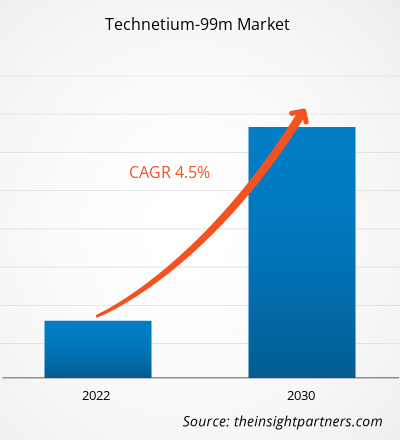
  • Technetium-99m Market Share, Demand & Forecast 2031

    The Technetium-99m market presents numerous growth opportunities as the global healthcare industry continues to emphasize early disease diagnosis and advanced imaging solutions. One of the most significant opportunities lies in the increasing adoption of nuclear medicine imaging techniques worldwide. Healthcare providers are increasingly relying on nuclear imaging technologies to diagnose complex diseases with greater accuracy and efficiency. This growing reliance on nuclear medicine is expected to significantly expand the demand for Technetium-99m in diagnostic procedures.

    Read More - https://www.theinsightpartners.com/reports/technetium-99m-market

    Technetium-99m Market Share, Demand & Forecast 2031 The Technetium-99m market presents numerous growth opportunities as the global healthcare industry continues to emphasize early disease diagnosis and advanced imaging solutions. One of the most significant opportunities lies in the increasing adoption of nuclear medicine imaging techniques worldwide. Healthcare providers are increasingly relying on nuclear imaging technologies to diagnose complex diseases with greater accuracy and efficiency. This growing reliance on nuclear medicine is expected to significantly expand the demand for Technetium-99m in diagnostic procedures. Read More - https://www.theinsightpartners.com/reports/technetium-99m-market
    WWW.THEINSIGHTPARTNERS.COM
    Technetium-99m Market Size & Emerging Trends 2031
    Technetium-99m market valued to reach US$ 6.03 billion by 2031, growing at a CAGR of 4.2%. Explore trends, share & opportunities. Download report.
    0 Комментарии 0 Поделились 3Кб Просмотры 0 предпросмотр
  • Diagnostic Electrocardiography Devices Market Forecast: Technological Advancements and AI‑Enabled ECG Analytics

    Diagnostic Electrocardiography Devices Market Forecast: Innovation in Cardiac Diagnostics Driving Growth

    Market Estimation & Definition
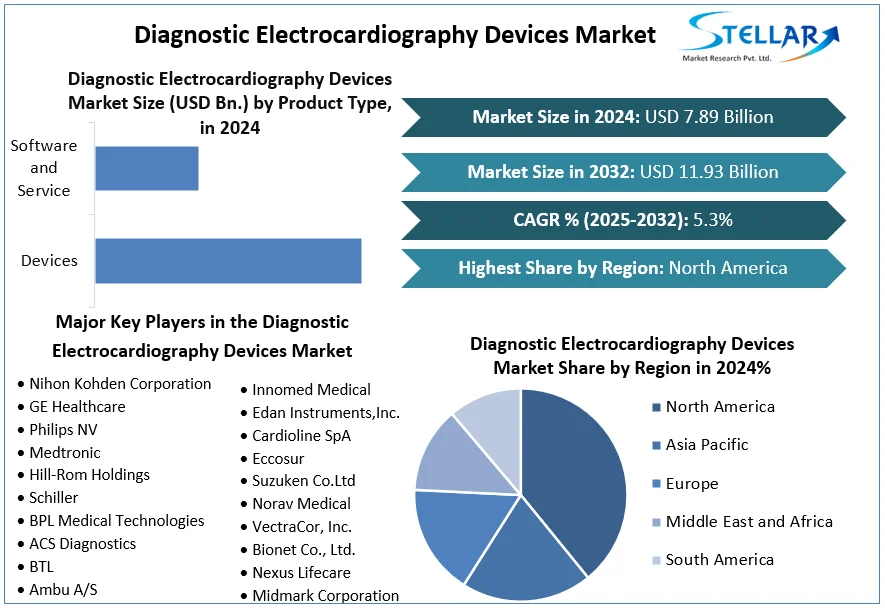
    The global diagnostic electrocardiography devices market is witnessing steady growth as demand for advanced cardiac monitoring rises across clinical and home care settings. According to industry data, the market was valued at around USD 7.89 billion in 2024 and is projected to reach approximately USD 11.93 billion by 2032, expanding at an estimated CAGR of 5.3% during the forecast period 2025–2032. This growth reflects increasing prevalence of cardiovascular diseases, technological advancements in ECG systems, and growing emphasis on early detection and continuous heart monitoring.

    Diagnostic electrocardiography refers to the non‑invasive measurement of the heart’s electrical activity to diagnose arrhythmias, ischemic heart disease, and other cardiac abnormalities. These devices range from traditional resting ECG machines to advanced wearable and ambulatory monitors designed for continuous or remote tracking of cardiac signals. Integration with digital health platforms and software analytics further enhances their clinical value.

    Request Free Sample Report : https://www.stellarmr.com/report/req_sample/Diagnostic-Electrocardiography-Devices-Market/1771

    Market Growth Drivers & Opportunity
    A key driver for the diagnostic electrocardiography devices market is the growing global burden of cardiovascular diseases (CVDs). Heart disease remains a leading cause of mortality worldwide, increasing the need for early detection and regular cardiac evaluation. ECG devices play a crucial role in identifying cardiac dysfunctions quickly and efficiently, supporting better patient outcomes.

    Technological advancements are another major growth catalyst. Innovations in portable, wearable, and wireless ECG systems are expanding device applications beyond clinical settings into home monitoring, fitness tracking, and telehealth programs. These developments are supported by enhanced connectivity, miniaturization, and integration with artificial intelligence (AI) for faster and more accurate interpretation of ECG signals.

    Additionally, the expansion of digital health services and remote patient monitoring solutions presents significant market opportunities. The increasing adoption of telemedicine, particularly after global healthcare shifts in recent years, has led to higher demand for connected ECG devices that facilitate remote diagnosis and data sharing between patients and physicians.

    What Lies Ahead: Emerging Trends Shaping the Future
    The future of the diagnostic electrocardiography devices market will be shaped by several key trends. Wearable ECG technology—including smart patches, wrist‑worn monitors, and integrated sensors in consumer devices—is gaining traction, enabling continuous cardiac monitoring with minimal patient discomfort. These devices are particularly relevant for long‑term arrhythmia detection and preventive care.

    AI and machine learning are also transforming the market by improving diagnostic accuracy and reducing clinician workload. AI‑enhanced ECG platforms can detect subtle heart irregularities that may be missed by traditional visual interpretation, supporting faster clinical decisions and personalized patient care.

    Another emerging trend is the integration of ECG systems with broader digital health ecosystems, including electronic health records (EHRs), telehealth platforms, and mobile health applications. This connectivity enables seamless data flow between patients and healthcare providers, improving continuity of care and enabling proactive health management.

    Request Free Sample Report : https://www.stellarmr.com/report/req_sample/Diagnostic-Electrocardiography-Devices-Market/1771

    Press Release Conclusion
    The diagnostic electrocardiography devices market is positioned for steady growth through 2032, underpinned by increasing cardiovascular disease prevalence, expanding demand for remote and continuous monitoring, and rapid advancement in digital and wearable ECG technologies. As healthcare systems prioritize early detection and efficient patient management, ECG devices will continue to play an essential role in clinical diagnostics and preventive care.

    With innovation, connectivity, and patient‑centric solutions at the core of market evolution, stakeholders that focus on integrated technology, customization, and robust service support are well‑placed to capitalize on the opportunities in this dynamic healthcare segment.

    About us

    Phase 3,Navale IT Zone, S.No. 51/2A/2,

    Office No. 202, 2nd floor,

    Near, Navale Brg,Narhe,

    Pune, Maharashtra 411041

    sales@stellarmr.com

    Diagnostic Electrocardiography Devices Market Forecast: Technological Advancements and AI‑Enabled ECG Analytics Diagnostic Electrocardiography Devices Market Forecast: Innovation in Cardiac Diagnostics Driving Growth Market Estimation & Definition The global diagnostic electrocardiography devices market is witnessing steady growth as demand for advanced cardiac monitoring rises across clinical and home care settings. According to industry data, the market was valued at around USD 7.89 billion in 2024 and is projected to reach approximately USD 11.93 billion by 2032, expanding at an estimated CAGR of 5.3% during the forecast period 2025–2032. This growth reflects increasing prevalence of cardiovascular diseases, technological advancements in ECG systems, and growing emphasis on early detection and continuous heart monitoring. Diagnostic electrocardiography refers to the non‑invasive measurement of the heart’s electrical activity to diagnose arrhythmias, ischemic heart disease, and other cardiac abnormalities. These devices range from traditional resting ECG machines to advanced wearable and ambulatory monitors designed for continuous or remote tracking of cardiac signals. Integration with digital health platforms and software analytics further enhances their clinical value. Request Free Sample Report : https://www.stellarmr.com/report/req_sample/Diagnostic-Electrocardiography-Devices-Market/1771 Market Growth Drivers & Opportunity A key driver for the diagnostic electrocardiography devices market is the growing global burden of cardiovascular diseases (CVDs). Heart disease remains a leading cause of mortality worldwide, increasing the need for early detection and regular cardiac evaluation. ECG devices play a crucial role in identifying cardiac dysfunctions quickly and efficiently, supporting better patient outcomes. Technological advancements are another major growth catalyst. Innovations in portable, wearable, and wireless ECG systems are expanding device applications beyond clinical settings into home monitoring, fitness tracking, and telehealth programs. These developments are supported by enhanced connectivity, miniaturization, and integration with artificial intelligence (AI) for faster and more accurate interpretation of ECG signals. Additionally, the expansion of digital health services and remote patient monitoring solutions presents significant market opportunities. The increasing adoption of telemedicine, particularly after global healthcare shifts in recent years, has led to higher demand for connected ECG devices that facilitate remote diagnosis and data sharing between patients and physicians. What Lies Ahead: Emerging Trends Shaping the Future The future of the diagnostic electrocardiography devices market will be shaped by several key trends. Wearable ECG technology—including smart patches, wrist‑worn monitors, and integrated sensors in consumer devices—is gaining traction, enabling continuous cardiac monitoring with minimal patient discomfort. These devices are particularly relevant for long‑term arrhythmia detection and preventive care. AI and machine learning are also transforming the market by improving diagnostic accuracy and reducing clinician workload. AI‑enhanced ECG platforms can detect subtle heart irregularities that may be missed by traditional visual interpretation, supporting faster clinical decisions and personalized patient care. Another emerging trend is the integration of ECG systems with broader digital health ecosystems, including electronic health records (EHRs), telehealth platforms, and mobile health applications. This connectivity enables seamless data flow between patients and healthcare providers, improving continuity of care and enabling proactive health management. Request Free Sample Report : https://www.stellarmr.com/report/req_sample/Diagnostic-Electrocardiography-Devices-Market/1771 Press Release Conclusion The diagnostic electrocardiography devices market is positioned for steady growth through 2032, underpinned by increasing cardiovascular disease prevalence, expanding demand for remote and continuous monitoring, and rapid advancement in digital and wearable ECG technologies. As healthcare systems prioritize early detection and efficient patient management, ECG devices will continue to play an essential role in clinical diagnostics and preventive care. With innovation, connectivity, and patient‑centric solutions at the core of market evolution, stakeholders that focus on integrated technology, customization, and robust service support are well‑placed to capitalize on the opportunities in this dynamic healthcare segment. About us Phase 3,Navale IT Zone, S.No. 51/2A/2, Office No. 202, 2nd floor, Near, Navale Brg,Narhe, Pune, Maharashtra 411041 sales@stellarmr.com

    0 Комментарии 0 Поделились 6Кб Просмотры 0 предпросмотр
  • Protein Labeling: Growth Trends in Life Sciences and Diagnostics

    Protein Labeling Market Poised for Robust Growth, Driven by Technological Innovation and Expanding Applications in Biomedicine

    The global protein labeling market, valued at $2.44 billion in 2024, is projected to surge to nearly $4.94 billion by 2032, advancing at a compound annual growth rate (CAGR) of 9.2%. This essential field, which involves tagging proteins with molecules for detection, purification, and study, is a cornerstone of modern biotechnology, underpinning critical research in drug discovery, diagnostics, and proteomics.

    Market Estimation and Core Definition

    Protein labeling is defined as the process of attaching specific molecules—such as fluorophores, enzymes, biotin, or isotopes—to proteins. This enables scientists to visualize, track, and quantify proteins within complex biological systems. Techniques span chemical, enzymatic, and metabolic methods, facilitating breakthroughs across basic biological research, clinical diagnostics, and therapeutic development.

    Purchase This Research Report at up to 30% Off @ https://www.stellarmr.com/report/req_sample/Protein-Labeling-Market/2160

    Powerful Growth Drivers and Market Opportunity

    The market's expansion is fueled by significant technological advancements in labeling techniques. Innovations in fluorescence, biotinylation, and bioorthogonal chemistry have dramatically improved the sensitivity, specificity, and multiplexing capabilities of protein detection. These improvements are broadening applications from traditional laboratory research into clinical diagnostics and personalized medicine.

    A primary opportunity lies in the rapid evolution of proteomics. The adoption of high-throughput mass spectrometry and the emergence of single-cell proteomics are creating unprecedented demand for sophisticated labeling solutions. Specifically, stable isotope labeling is gaining prominence for its ability to enable precise, quantitative analysis of protein dynamics, turnover, and modifications, which is crucial for biomarker discovery and understanding disease mechanisms.

    Emerging Trends Shaping the Future

    The landscape is being reshaped by several key trends. Bioorthogonal labeling, which uses specific chemical reactions that do not interfere with natural biological processes, is an emerging and rapidly growing segment. Furthermore, the push towards multiplexed assays, which allow simultaneous analysis of multiple protein targets, is enhancing research efficiency and depth. The integration of automation and microfluidics, exemplified by technologies that can analyze 96 protein samples in under an hour, is streamlining workflows and accelerating discovery timelines.

    Purchase This Research Report at up to 30% Off @ https://www.stellarmr.com/report/req_sample/Protein-Labeling-Market/2160

    Segmentation and Regional Analysis

    The market is segmented by labeling method, product type, and application. By method, in vitro labeling—encompassing chemical and enzymatic techniques—held the largest share in 2024. The bioorthogonal labeling segment, however, is forecast for rapid growth.

    Regionally, North America dominated the global market in 2024, bolstered by a strong regulatory framework, the presence of leading biotechnology companies, and substantial research and development investment. The Asia-Pacific region is anticipated to grow at the highest rate during the forecast period. Countries including Japan, China, South Korea, and India are at the forefront of biotech innovation and are increasingly focusing on personalized medicine, driving significant demand for advanced protein labeling technologies.

    About us

    Phase 3,Navale IT Zone, S.No. 51/2A/2,

    Office No. 202, 2nd floor,

    Near, Navale Brg,Narhe,

    Pune, Maharashtra 411041

    sales@stellarmr.com
    Protein Labeling: Growth Trends in Life Sciences and Diagnostics Protein Labeling Market Poised for Robust Growth, Driven by Technological Innovation and Expanding Applications in Biomedicine The global protein labeling market, valued at $2.44 billion in 2024, is projected to surge to nearly $4.94 billion by 2032, advancing at a compound annual growth rate (CAGR) of 9.2%. This essential field, which involves tagging proteins with molecules for detection, purification, and study, is a cornerstone of modern biotechnology, underpinning critical research in drug discovery, diagnostics, and proteomics. Market Estimation and Core Definition Protein labeling is defined as the process of attaching specific molecules—such as fluorophores, enzymes, biotin, or isotopes—to proteins. This enables scientists to visualize, track, and quantify proteins within complex biological systems. Techniques span chemical, enzymatic, and metabolic methods, facilitating breakthroughs across basic biological research, clinical diagnostics, and therapeutic development. Purchase This Research Report at up to 30% Off @ https://www.stellarmr.com/report/req_sample/Protein-Labeling-Market/2160 Powerful Growth Drivers and Market Opportunity The market's expansion is fueled by significant technological advancements in labeling techniques. Innovations in fluorescence, biotinylation, and bioorthogonal chemistry have dramatically improved the sensitivity, specificity, and multiplexing capabilities of protein detection. These improvements are broadening applications from traditional laboratory research into clinical diagnostics and personalized medicine. A primary opportunity lies in the rapid evolution of proteomics. The adoption of high-throughput mass spectrometry and the emergence of single-cell proteomics are creating unprecedented demand for sophisticated labeling solutions. Specifically, stable isotope labeling is gaining prominence for its ability to enable precise, quantitative analysis of protein dynamics, turnover, and modifications, which is crucial for biomarker discovery and understanding disease mechanisms. Emerging Trends Shaping the Future The landscape is being reshaped by several key trends. Bioorthogonal labeling, which uses specific chemical reactions that do not interfere with natural biological processes, is an emerging and rapidly growing segment. Furthermore, the push towards multiplexed assays, which allow simultaneous analysis of multiple protein targets, is enhancing research efficiency and depth. The integration of automation and microfluidics, exemplified by technologies that can analyze 96 protein samples in under an hour, is streamlining workflows and accelerating discovery timelines. Purchase This Research Report at up to 30% Off @ https://www.stellarmr.com/report/req_sample/Protein-Labeling-Market/2160 Segmentation and Regional Analysis The market is segmented by labeling method, product type, and application. By method, in vitro labeling—encompassing chemical and enzymatic techniques—held the largest share in 2024. The bioorthogonal labeling segment, however, is forecast for rapid growth. Regionally, North America dominated the global market in 2024, bolstered by a strong regulatory framework, the presence of leading biotechnology companies, and substantial research and development investment. The Asia-Pacific region is anticipated to grow at the highest rate during the forecast period. Countries including Japan, China, South Korea, and India are at the forefront of biotech innovation and are increasingly focusing on personalized medicine, driving significant demand for advanced protein labeling technologies. About us Phase 3,Navale IT Zone, S.No. 51/2A/2, Office No. 202, 2nd floor, Near, Navale Brg,Narhe, Pune, Maharashtra 411041 sales@stellarmr.com
    0 Комментарии 0 Поделились 4Кб Просмотры 0 предпросмотр
  • US Pediatric Medical Device Market Size To Grow At A CAGR Of 7.9 % In The Forecast Period Of 2025-2032

    US Pediatric Medical Device Market Set for Steady Growth, Reaching $10.5 Billion by 2032

    A new industry report forecasts consistent and significant growth for the U.S. Pediatric Medical Device Market, driven by specialized healthcare needs and supportive government initiatives. The market, valued at USD 5.71 billion in 2024, is projected to grow at a Compound Annual Growth Rate (CAGR) of 7.9%, reaching nearly USD 10.50 billion by 2032.

    Purchase This Research Report at up to 30% Off @https://www.stellarmr.com/report/req_sample/US-Pediatric-Medical-Device-Market/1603

    Market Estimation & Definition
    The U.S. Pediatric Medical Device Market encompasses all medical instruments, apparatuses, and implants designed or adapted for the diagnosis, treatment, and monitoring of patients from birth through age 21. This includes distinct categories for neonates, infants, children, and adolescents. These devices address unique challenges, accounting for a child's evolving physiology, size, and activity levels. The market's definition underscores its focus on specialized care, differentiating it from adult devices and highlighting the critical need for innovation tailored to the pediatric population to ensure safety and efficacy throughout development.

    Market Growth Drivers & Opportunity
    The market's expansion is primarily fueled by a growing and complex demand for specialized pediatric care. A rise in chronic conditions among children—such as asthma (affecting 8.4%), diabetes (with 212,000 diagnoses), and obesity (19.3%)—creates a sustained need for advanced diagnostic, monitoring, and therapeutic devices. This demand for specialized treatments drives significant investment in research and innovation, leading to new devices that improve minimally invasive procedures and personalized medicine.

    About us

    Phase 3,Navale IT Zone, S.No. 51/2A/2,

    Office No. 202, 2nd floor,

    Near, Navale Brg,Narhe,

    Pune, Maharashtra 411041

    sales@stellarmr.com
    US Pediatric Medical Device Market Size To Grow At A CAGR Of 7.9 % In The Forecast Period Of 2025-2032 US Pediatric Medical Device Market Set for Steady Growth, Reaching $10.5 Billion by 2032 A new industry report forecasts consistent and significant growth for the U.S. Pediatric Medical Device Market, driven by specialized healthcare needs and supportive government initiatives. The market, valued at USD 5.71 billion in 2024, is projected to grow at a Compound Annual Growth Rate (CAGR) of 7.9%, reaching nearly USD 10.50 billion by 2032. Purchase This Research Report at up to 30% Off @https://www.stellarmr.com/report/req_sample/US-Pediatric-Medical-Device-Market/1603 Market Estimation & Definition The U.S. Pediatric Medical Device Market encompasses all medical instruments, apparatuses, and implants designed or adapted for the diagnosis, treatment, and monitoring of patients from birth through age 21. This includes distinct categories for neonates, infants, children, and adolescents. These devices address unique challenges, accounting for a child's evolving physiology, size, and activity levels. The market's definition underscores its focus on specialized care, differentiating it from adult devices and highlighting the critical need for innovation tailored to the pediatric population to ensure safety and efficacy throughout development. Market Growth Drivers & Opportunity The market's expansion is primarily fueled by a growing and complex demand for specialized pediatric care. A rise in chronic conditions among children—such as asthma (affecting 8.4%), diabetes (with 212,000 diagnoses), and obesity (19.3%)—creates a sustained need for advanced diagnostic, monitoring, and therapeutic devices. This demand for specialized treatments drives significant investment in research and innovation, leading to new devices that improve minimally invasive procedures and personalized medicine. About us Phase 3,Navale IT Zone, S.No. 51/2A/2, Office No. 202, 2nd floor, Near, Navale Brg,Narhe, Pune, Maharashtra 411041 sales@stellarmr.com
    0 Комментарии 0 Поделились 2Кб Просмотры 0 предпросмотр
Расширенные страницы