• https://www.databridgemarketresearch.com/reports/global-artificial-intelligence-in-food-beverages-market
    https://www.databridgemarketresearch.com/reports/global-artificial-intelligence-in-food-beverages-market
    0 Σχόλια 0 Μοιράστηκε 722 Views 0 Προεπισκόπηση
  • https://www.databridgemarketresearch.com/reports/global-adaptogenic-beverages-market
    https://www.databridgemarketresearch.com/reports/global-adaptogenic-beverages-market
    0 Σχόλια 0 Μοιράστηκε 137 Views 0 Προεπισκόπηση
  • https://www.databridgemarketresearch.com/reports/middle-east-and-africa-plant-based-beverages-market
    https://www.databridgemarketresearch.com/reports/middle-east-and-africa-plant-based-beverages-market
    0 Σχόλια 0 Μοιράστηκε 1χλμ. Views 0 Προεπισκόπηση
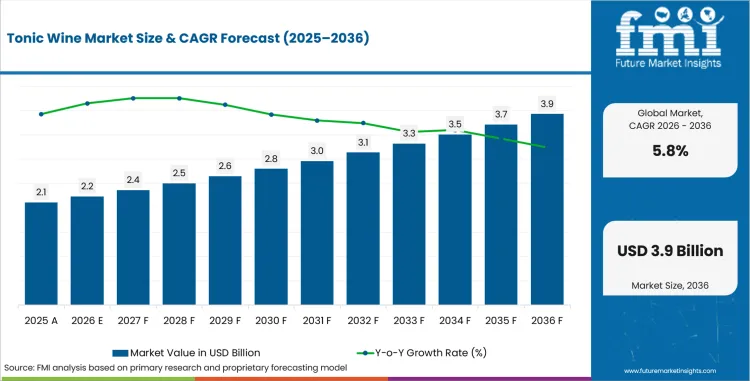
  • Tonic Wine Market to Reach USD 3.9 Billion by 2036
    The global tonic wine market is entering a new phase of mainstream expansion as consumers increasingly prioritize functional alcoholic beverages, fortified formulations, and traditional heritage drinks. According to latest insights by future market insights
    Exclusive Discounts on Full Report: https://www.futuremarketinsights.com/reports/tonic-wine-market
    Tonic Wine Market to Reach USD 3.9 Billion by 2036 The global tonic wine market is entering a new phase of mainstream expansion as consumers increasingly prioritize functional alcoholic beverages, fortified formulations, and traditional heritage drinks. According to latest insights by future market insights Exclusive Discounts on Full Report: https://www.futuremarketinsights.com/reports/tonic-wine-market
    WWW.FUTUREMARKETINSIGHTS.COM
    Tonic Wine Market : Global Industry Analysis 2016 - 2025 and Opportunity Assessment 2026 - 2036
    Tonic Wine Market is estimated to be valued at USD 2.2 Bn in 2026 and is expected to grow at a CAGR of 5.8% through 2036.
    0 Σχόλια 0 Μοιράστηκε 317 Views 0 Προεπισκόπηση
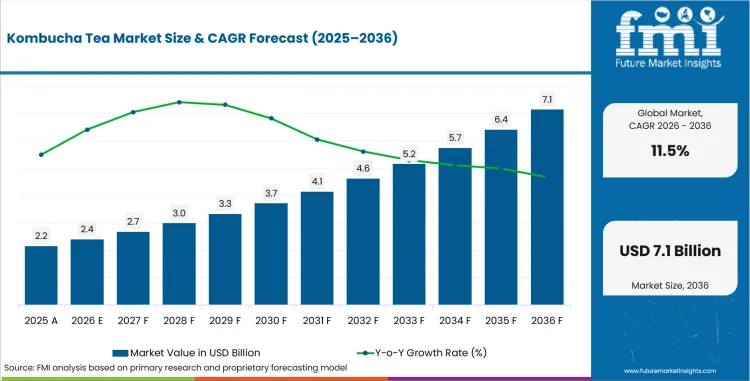
  • Kombucha Tea Market to Reach USD 7.1 Billion by 2036
    The global Kombucha Tea Market is entering a new phase of mainstream expansion as consumers increasingly prioritize digestive wellness, functional beverages, and lower-sugar alternatives to conventional soft drinks. According to Future Market Insights (FMI)
    Exclusive Discounts on Full Report: https://www.futuremarketinsights.com/reports/kombucha-tea-market
    Kombucha Tea Market to Reach USD 7.1 Billion by 2036 The global Kombucha Tea Market is entering a new phase of mainstream expansion as consumers increasingly prioritize digestive wellness, functional beverages, and lower-sugar alternatives to conventional soft drinks. According to Future Market Insights (FMI) Exclusive Discounts on Full Report: https://www.futuremarketinsights.com/reports/kombucha-tea-market
    WWW.FUTUREMARKETINSIGHTS.COM
    Kombucha Tea Market : Global Industry Analysis 2016 - 2025 and Opportunity Assessment 2026 - 2036
    Kombucha Tea Market is forecasted to reach USD 7.1 Bn by 2036 and exhibiting a CAGR of 11.5%.
    0 Σχόλια 0 Μοιράστηκε 1χλμ. Views 0 Προεπισκόπηση
  • Organic Foods Market to Reach USD 797.45 Million by 2036
    The organic foods market is experiencing robust growth as consumers increasingly seek pesticide-free, sustainably produced, and certified food products Rising health awareness, growing concerns over food safety, expanding organic certification programs, and wider retail availability are accelerating the adoption of organic foods across fruits and vegetables, dairy, cereals, packaged foods, and beverages worldwide.
    Full Report for Detailed Insights: https://www.futuremarketinsights.com/reports/organic-foods-market
    Organic Foods Market to Reach USD 797.45 Million by 2036 The organic foods market is experiencing robust growth as consumers increasingly seek pesticide-free, sustainably produced, and certified food products Rising health awareness, growing concerns over food safety, expanding organic certification programs, and wider retail availability are accelerating the adoption of organic foods across fruits and vegetables, dairy, cereals, packaged foods, and beverages worldwide. Full Report for Detailed Insights: https://www.futuremarketinsights.com/reports/organic-foods-market
    WWW.FUTUREMARKETINSIGHTS.COM
    Organic Foods Market | Global Market Analysis Report - 2036
    Organic Foods Market is forecasted to reach USD 797.4 million by 2036 and exhibiting a CAGR of 12.3%.
    0 Σχόλια 0 Μοιράστηκε 1χλμ. Views 0 Προεπισκόπηση
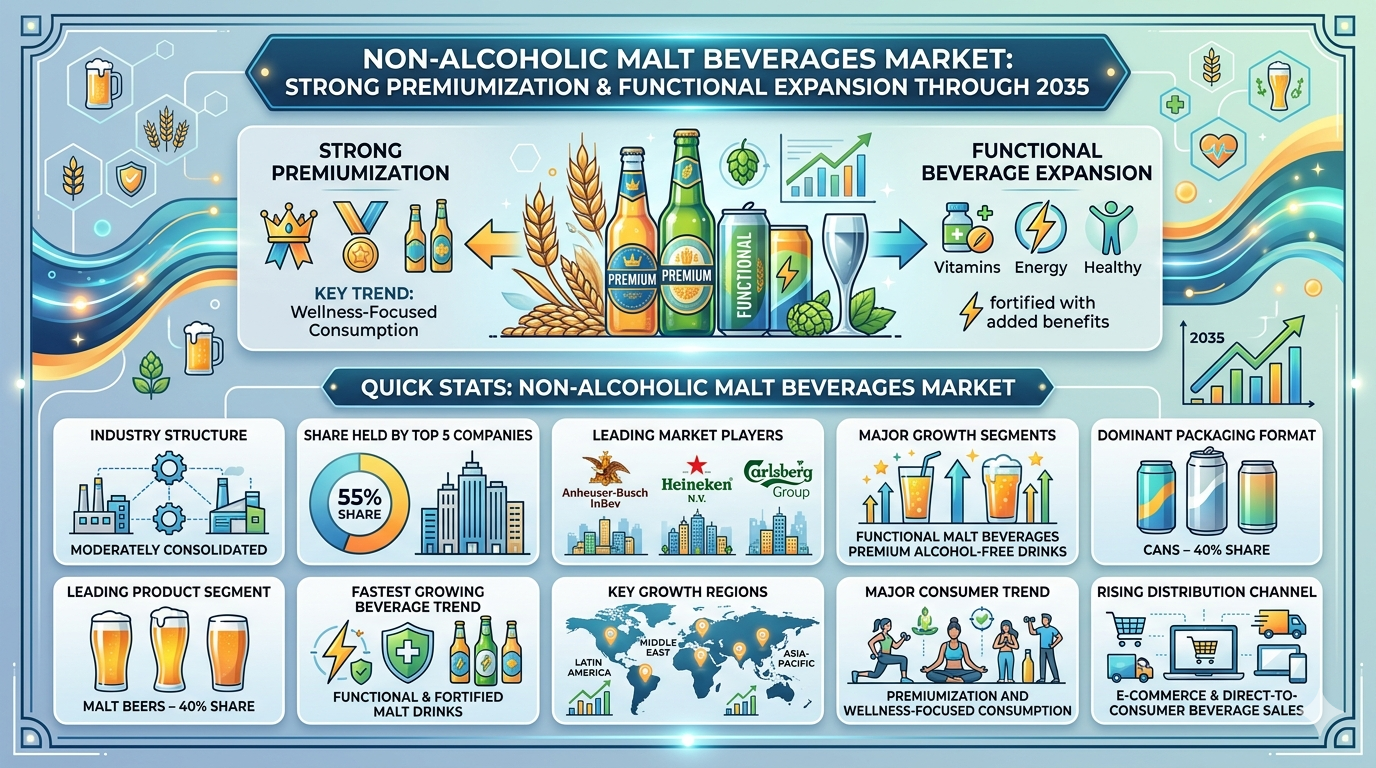
  • Non-Alcoholic Malt Beverages Market to Witness Strong Premiumization and Functional Beverage Expansion Through 2035
    The global non-alcoholic malt beverages market is witnessing significant expansion as consumers increasingly prioritize alcohol-free lifestyles, wellness-oriented beverage choices, and premium functional drink experiences.
    See Full Report View: https://www.futuremarketinsights.com/reports/non-alcoholic-malt-beverages-market-share-analysis
    Non-Alcoholic Malt Beverages Market to Witness Strong Premiumization and Functional Beverage Expansion Through 2035 The global non-alcoholic malt beverages market is witnessing significant expansion as consumers increasingly prioritize alcohol-free lifestyles, wellness-oriented beverage choices, and premium functional drink experiences. See Full Report View: https://www.futuremarketinsights.com/reports/non-alcoholic-malt-beverages-market-share-analysis
    0 Σχόλια 0 Μοιράστηκε 814 Views 0 Προεπισκόπηση
  • According to our latest research, the global liquid packaging cartons market size reached USD 16.2 billion in 2024, reflecting robust demand across diverse end-use sectors. The market is experiencing a healthy expansion, with a recorded CAGR of 5.1% from 2025 to 2033. By the end of the forecast period in 2033, the market is projected to achieve a value of USD 25.3 billion. This growth is primarily driven by the increasing consumer preference for sustainable packaging solutions, the proliferation of ready-to-drink beverages, and stringent regulations promoting eco-friendly materials.
    https://growthmarketreports.com/report/liquid-packaging-cartons-market-global-industry-analysis
    According to our latest research, the global liquid packaging cartons market size reached USD 16.2 billion in 2024, reflecting robust demand across diverse end-use sectors. The market is experiencing a healthy expansion, with a recorded CAGR of 5.1% from 2025 to 2033. By the end of the forecast period in 2033, the market is projected to achieve a value of USD 25.3 billion. This growth is primarily driven by the increasing consumer preference for sustainable packaging solutions, the proliferation of ready-to-drink beverages, and stringent regulations promoting eco-friendly materials. https://growthmarketreports.com/report/liquid-packaging-cartons-market-global-industry-analysis
    0 Σχόλια 0 Μοιράστηκε 2χλμ. Views 0 Προεπισκόπηση
  • FMCG Logistic Market Forecast: Retail Expansion and Last-Mile Delivery Innovations

    FMCG Logistics Market Press Release Analysis

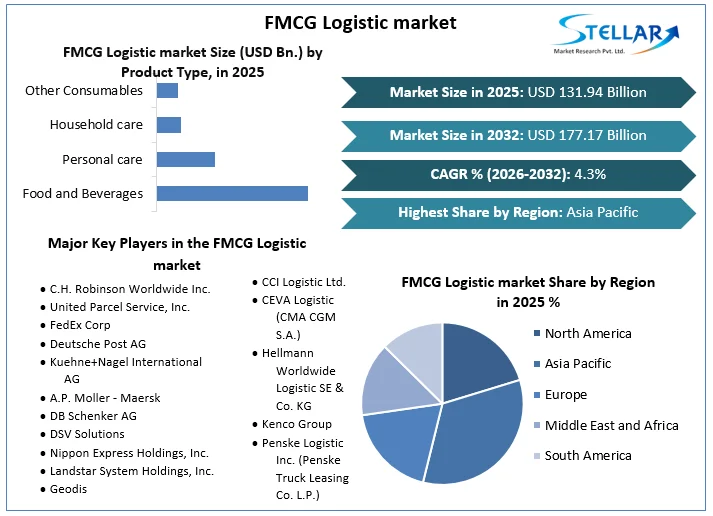
    The global FMCG logistics market is expanding steadily, driven by the rising consumption of fast-moving consumer goods, increasing penetration of e-commerce, and the need for efficient and responsive supply chain systems. The market plays a crucial role in ensuring rapid product movement from manufacturing facilities to retail shelves and end consumers, making it one of the most critical pillars of the global consumer goods ecosystem.

    Request Free Sample Report : https://www.stellarmr.com/report/req_sample/FMCG-Logistic-Market/2470
    Market Estimation & Definition
    The FMCG logistics market encompasses transportation, warehousing, inventory management, packaging, and last-mile delivery services specifically designed for fast-moving consumer goods such as food and beverages, personal care items, pharmaceuticals, and household products. These goods typically have short shelf lives and high turnover rates, requiring highly responsive and flexible logistics operations.

    Market estimates indicate that the global FMCG logistics market was valued at approximately USD 121.3 billion in 2023 and is expected to reach nearly USD 161.23 billion by 2030, growing at a CAGR of around 4.3% during the forecast period. The consistent expansion reflects the growing demand for faster delivery cycles and improved inventory efficiency across global retail and distribution channels.

    Market Growth Drivers & Opportunity
    The primary growth driver of the FMCG logistics market is the rapid expansion of e-commerce and omnichannel retail models. Consumers increasingly expect faster delivery, flexible ordering systems, and real-time tracking, pushing companies to adopt advanced logistics networks and digital supply chain solutions.

    Another key driver is the shift in consumer behavior toward convenience and on-demand purchasing. The growing popularity of click-and-collect services, subscription deliveries, and hyperlocal distribution models is encouraging logistics providers to invest in last-mile delivery capabilities and urban warehousing infrastructure.

    Additionally, the rise in organized retail and expansion of FMCG companies into emerging markets presents significant opportunities. Increasing urbanization, higher disposable incomes, and rising demand for packaged and branded goods are boosting logistics demand in Asia-Pacific, Latin America, and Africa.

    Cold chain logistics also represents a major opportunity segment, particularly for perishable goods such as dairy, frozen foods, and pharmaceuticals, where temperature-controlled supply chains are essential.

    What Lies Ahead: Emerging Trends Shaping the Future
    The future of the FMCG logistics market is being shaped by rapid digital transformation and automation. Technologies such as artificial intelligence, IoT-enabled tracking systems, warehouse robotics, and predictive analytics are improving supply chain visibility and efficiency.

    Sustainability is another key trend influencing the market. Logistics companies are increasingly adopting electric delivery vehicles, eco-friendly packaging solutions, and energy-efficient warehouses to reduce their environmental footprint.

    Micro-fulfillment centers and decentralized warehousing are also emerging as important trends, enabling faster delivery in urban areas and improving inventory optimization.

    Request Free Sample Report : https://www.stellarmr.com/report/req_sample/FMCG-Logistic-Market/2470
    Press Release Conclusion
    The global FMCG logistics market is poised for steady and sustained growth, supported by rising consumer demand, e-commerce expansion, and ongoing digital transformation in supply chain management.

    As companies continue to focus on faster, more efficient, and sustainable logistics solutions, the market is expected to evolve significantly over the coming years. With strong growth opportunities in emerging markets and continuous technological innovation, the FMCG logistics sector will remain a vital component of the global consumer goods value chain.

    About us

    Phase 3,Navale IT Zone, S.No. 51/2A/2,

    Office No. 202, 2nd floor,

    Near, Navale Brg,Narhe,

    Pune, Maharashtra 411041

    sales@stellarmr.com
    FMCG Logistic Market Forecast: Retail Expansion and Last-Mile Delivery Innovations FMCG Logistics Market Press Release Analysis The global FMCG logistics market is expanding steadily, driven by the rising consumption of fast-moving consumer goods, increasing penetration of e-commerce, and the need for efficient and responsive supply chain systems. The market plays a crucial role in ensuring rapid product movement from manufacturing facilities to retail shelves and end consumers, making it one of the most critical pillars of the global consumer goods ecosystem. Request Free Sample Report : https://www.stellarmr.com/report/req_sample/FMCG-Logistic-Market/2470 Market Estimation & Definition The FMCG logistics market encompasses transportation, warehousing, inventory management, packaging, and last-mile delivery services specifically designed for fast-moving consumer goods such as food and beverages, personal care items, pharmaceuticals, and household products. These goods typically have short shelf lives and high turnover rates, requiring highly responsive and flexible logistics operations. Market estimates indicate that the global FMCG logistics market was valued at approximately USD 121.3 billion in 2023 and is expected to reach nearly USD 161.23 billion by 2030, growing at a CAGR of around 4.3% during the forecast period. The consistent expansion reflects the growing demand for faster delivery cycles and improved inventory efficiency across global retail and distribution channels. Market Growth Drivers & Opportunity The primary growth driver of the FMCG logistics market is the rapid expansion of e-commerce and omnichannel retail models. Consumers increasingly expect faster delivery, flexible ordering systems, and real-time tracking, pushing companies to adopt advanced logistics networks and digital supply chain solutions. Another key driver is the shift in consumer behavior toward convenience and on-demand purchasing. The growing popularity of click-and-collect services, subscription deliveries, and hyperlocal distribution models is encouraging logistics providers to invest in last-mile delivery capabilities and urban warehousing infrastructure. Additionally, the rise in organized retail and expansion of FMCG companies into emerging markets presents significant opportunities. Increasing urbanization, higher disposable incomes, and rising demand for packaged and branded goods are boosting logistics demand in Asia-Pacific, Latin America, and Africa. Cold chain logistics also represents a major opportunity segment, particularly for perishable goods such as dairy, frozen foods, and pharmaceuticals, where temperature-controlled supply chains are essential. What Lies Ahead: Emerging Trends Shaping the Future The future of the FMCG logistics market is being shaped by rapid digital transformation and automation. Technologies such as artificial intelligence, IoT-enabled tracking systems, warehouse robotics, and predictive analytics are improving supply chain visibility and efficiency. Sustainability is another key trend influencing the market. Logistics companies are increasingly adopting electric delivery vehicles, eco-friendly packaging solutions, and energy-efficient warehouses to reduce their environmental footprint. Micro-fulfillment centers and decentralized warehousing are also emerging as important trends, enabling faster delivery in urban areas and improving inventory optimization. Request Free Sample Report : https://www.stellarmr.com/report/req_sample/FMCG-Logistic-Market/2470 Press Release Conclusion The global FMCG logistics market is poised for steady and sustained growth, supported by rising consumer demand, e-commerce expansion, and ongoing digital transformation in supply chain management. As companies continue to focus on faster, more efficient, and sustainable logistics solutions, the market is expected to evolve significantly over the coming years. With strong growth opportunities in emerging markets and continuous technological innovation, the FMCG logistics sector will remain a vital component of the global consumer goods value chain. About us Phase 3,Navale IT Zone, S.No. 51/2A/2, Office No. 202, 2nd floor, Near, Navale Brg,Narhe, Pune, Maharashtra 411041 sales@stellarmr.com
    0 Σχόλια 0 Μοιράστηκε 7χλμ. Views 0 Προεπισκόπηση
  • Premiumization and Personalization Drive Growth in the Flavors and Fragrances Market

    The Flavors and Fragrances Market is undergoing a transformative phase as changing consumer lifestyles, premiumization trends, and clean-label demands reshape the global sensory landscape. Across food, beverage, personal care, and household industries, manufacturers are increasingly investing in advanced flavor and fragrance solutions that deliver authenticity, sustainability, and emotional connection.

    From natural extracts in beverages to signature scents in luxury cosmetics, the Flavors and Fragrances Market has become a cornerstone of brand differentiation. As consumers seek personalized and experience-driven products, companies are innovating with botanical ingredients, biotechnology-derived compounds, and environmentally responsible sourcing strategies.

    Market Overview
    The Flavors and Fragrances Market represents a vital segment of the broader specialty chemicals and consumer goods industries. It includes flavor compounds used in food and beverages, as well as fragrance ingredients utilized in perfumes, cosmetics, detergents, and homecare products.

    Growing urbanization, evolving dietary habits, and rising disposable incomes are contributing to consistent market expansion. The shift toward plant-based diets, wellness-focused consumption, and premium personal care products is further strengthening demand.

    Manufacturers are prioritizing sustainable sourcing, transparency, and traceability to align with global environmental and regulatory expectations.

    Get a sample PDF of the report - https://www.theinsightpartners.com/sample/TIPRE00003757/

    Market Size, Share, Trends, Analysis, and Forecast by 2031
    By 2031, the Flavors and Fragrances Market is expected to demonstrate:
    Steady global expansion supported by food, beverage, and personal care industries
    Increasing share of natural and bio-based ingredients
    Growing dominance of emerging markets in Asia Pacific
    Expansion of premium and luxury fragrance segments
    Rising demand for clean-label and allergen-free flavor formulations
    Strong innovation in biotechnology-enabled aroma molecules
    Higher penetration of customized and regional flavor profiles
    Continued integration of sustainable and ethical sourcing practices
    Market Analysis

    The Flavors and Fragrances Market continues to evolve as consumer expectations become more sophisticated. Food manufacturers are seeking bold, authentic flavors inspired by global cuisines, while personal care brands are introducing unique fragrance blends that enhance emotional appeal.

    Market Segments and Their Analysis

    By Type

    Flavors
    Fragrances
    By Category

    Natural
    Synthetic
    By Application

    Food and Beverages
    Hookah
    Pharmaceuticals and Nutraceuticals
    Personal Care
    Global and Regional Analysis

    Market Drivers

    Rising demand for natural and clean-label ingredients
    Growing popularity of plant-based and functional foods
    Expanding personal care and cosmetic industries
    Increasing consumer focus on sustainability
    Rapid product innovation and customization
    Emerging Trends and Opportunities

    The Flavors and Fragrances Market is witnessing several notable trends:

    Biotechnology-derived aroma compounds
    Encapsulation technologies for enhanced longevity
    AI-powered flavor creation and trend prediction
    Sustainable sourcing of raw materials
    Regional flavor customization
    Opportunities are particularly strong in emerging economies where urban lifestyles are driving packaged food and beauty product consumption.

    Market Players and Competitive Landscape

    The competitive landscape of the Flavors and Fragrances Market is characterized by innovation, strategic collaborations, and portfolio diversification. Companies are investing in research facilities, expanding global supply chains, and strengthening sustainability commitments.

    ADM
    Cargill Incorporated
    Givaudan
    Firmenich SA
    International Flavors and Fragrances Inc
    Symrise AG
    Bell Flavors and Fragrances
    Robertet
    Sensient Technologies Corporation
    T. Hasegawa Co Ltd
    Updated Market News

    Recent developments in the Flavors and Fragrances Market include:

    Launch of bio-based aroma ingredients derived from fermentation
    Expansion of production facilities in Asia Pacific
    Partnerships focused on sustainable ingredient sourcing
    Introduction of allergen-free and vegan-certified flavor solutions
    Increased investment in research and innovation centers
    Latest Innovations and Developments

    Innovation remains central to the Flavors and Fragrances Market. Recent advancements include:


    Premiumization and Personalization Drive Growth in the Flavors and Fragrances Market The Flavors and Fragrances Market is undergoing a transformative phase as changing consumer lifestyles, premiumization trends, and clean-label demands reshape the global sensory landscape. Across food, beverage, personal care, and household industries, manufacturers are increasingly investing in advanced flavor and fragrance solutions that deliver authenticity, sustainability, and emotional connection. From natural extracts in beverages to signature scents in luxury cosmetics, the Flavors and Fragrances Market has become a cornerstone of brand differentiation. As consumers seek personalized and experience-driven products, companies are innovating with botanical ingredients, biotechnology-derived compounds, and environmentally responsible sourcing strategies. Market Overview The Flavors and Fragrances Market represents a vital segment of the broader specialty chemicals and consumer goods industries. It includes flavor compounds used in food and beverages, as well as fragrance ingredients utilized in perfumes, cosmetics, detergents, and homecare products. Growing urbanization, evolving dietary habits, and rising disposable incomes are contributing to consistent market expansion. The shift toward plant-based diets, wellness-focused consumption, and premium personal care products is further strengthening demand. Manufacturers are prioritizing sustainable sourcing, transparency, and traceability to align with global environmental and regulatory expectations. Get a sample PDF of the report - https://www.theinsightpartners.com/sample/TIPRE00003757/ Market Size, Share, Trends, Analysis, and Forecast by 2031 By 2031, the Flavors and Fragrances Market is expected to demonstrate: Steady global expansion supported by food, beverage, and personal care industries Increasing share of natural and bio-based ingredients Growing dominance of emerging markets in Asia Pacific Expansion of premium and luxury fragrance segments Rising demand for clean-label and allergen-free flavor formulations Strong innovation in biotechnology-enabled aroma molecules Higher penetration of customized and regional flavor profiles Continued integration of sustainable and ethical sourcing practices Market Analysis The Flavors and Fragrances Market continues to evolve as consumer expectations become more sophisticated. Food manufacturers are seeking bold, authentic flavors inspired by global cuisines, while personal care brands are introducing unique fragrance blends that enhance emotional appeal. Market Segments and Their Analysis By Type Flavors Fragrances By Category Natural Synthetic By Application Food and Beverages Hookah Pharmaceuticals and Nutraceuticals Personal Care Global and Regional Analysis Market Drivers Rising demand for natural and clean-label ingredients Growing popularity of plant-based and functional foods Expanding personal care and cosmetic industries Increasing consumer focus on sustainability Rapid product innovation and customization Emerging Trends and Opportunities The Flavors and Fragrances Market is witnessing several notable trends: Biotechnology-derived aroma compounds Encapsulation technologies for enhanced longevity AI-powered flavor creation and trend prediction Sustainable sourcing of raw materials Regional flavor customization Opportunities are particularly strong in emerging economies where urban lifestyles are driving packaged food and beauty product consumption. Market Players and Competitive Landscape The competitive landscape of the Flavors and Fragrances Market is characterized by innovation, strategic collaborations, and portfolio diversification. Companies are investing in research facilities, expanding global supply chains, and strengthening sustainability commitments. ADM Cargill Incorporated Givaudan Firmenich SA International Flavors and Fragrances Inc Symrise AG Bell Flavors and Fragrances Robertet Sensient Technologies Corporation T. Hasegawa Co Ltd Updated Market News Recent developments in the Flavors and Fragrances Market include: Launch of bio-based aroma ingredients derived from fermentation Expansion of production facilities in Asia Pacific Partnerships focused on sustainable ingredient sourcing Introduction of allergen-free and vegan-certified flavor solutions Increased investment in research and innovation centers Latest Innovations and Developments Innovation remains central to the Flavors and Fragrances Market. Recent advancements include:

    Love
    1
    0 Σχόλια 0 Μοιράστηκε 8χλμ. Views 0 Προεπισκόπηση
  • https://www.databridgemarketresearch.com/reports/asia-pacific-alcoholic-beverages-market
    https://www.databridgemarketresearch.com/reports/asia-pacific-alcoholic-beverages-market
    Asia-Pacific Alcoholic Beverages Market Report – Industry Trends and Forecast to 2029 | Data Bridge Market Research
    The Asia-Pacific Alcoholic Beverages market was valued at USD 0.00 in 2022 and is expected to reach USD 0.00 by 2029, growing at a CAGR of 4.3% (2022-2029). Get insights on trends, segmentation, and key players with Data Bridge Market Research Reports.
    0 Σχόλια 0 Μοιράστηκε 332 Views 0 Προεπισκόπηση
  • Reducing Plastic Waste: How Regulatory Bans Are Boosting the Paper Straw Market

    Paper Straw Market Flourishes as Sustainability Drives Demand for Eco-Friendly Alternatives

    The Paper Straw Market is experiencing robust growth worldwide as consumers, regulators, and industries shift away from single-use plastics toward sustainable alternatives. Fueled by environmental concerns, regulatory bans, and the expanding foodservice industry, paper straws are quickly becoming a mainstream choice across global markets. The increasing adoption of paper straws in restaurants, cafes, quick-service chains, and households is reshaping the disposable straws landscape with a strong focus on biodegradability and eco-conscious practices.

    Purchase This Research Report at up to 30% Off @ https://www.stellarmr.com/report/req_sample/paper-straw-market/2572

    Market Estimation & Definition
    Paper straws are disposable drinking straws manufactured primarily from paper materials such as virgin or recycled paper. Designed to replace conventional plastic straws, they are biodegradable, compostable, and environmentally friendly, aligning with global efforts to reduce plastic waste and pollution. These straws are available in various forms including printed and non-printed versions, different lengths and diameters, and are widely used in food and beverage consumption across commercial and household settings.

    The market has shown consistent growth and, according to industry forecasts, is expected to continue expanding significantly over the coming decade. Estimates suggest strong demand driven by sustainability trends, projected market expansions, and increased industry adoption of paper alternatives to plastics.

    Market Growth Drivers & Opportunity
    Several key factors are propelling the paper straw market forward. First and foremost, stringent environmental regulations and widespread bans on single-use plastics are accelerating market demand. Governments in many countries have implemented policies that restrict or eliminate plastic straws, pushing businesses to adopt sustainable alternatives. These regulations have significantly contributed to the rise in paper straw usage in the food-service and retail sectors.

    Growing environmental awareness among consumers is another major driver. Today’s consumers increasingly prioritize eco-friendly products, choosing alternatives that reduce their environmental impact. This shift in preference has encouraged both small businesses and multinational chains to replace plastic straws with paper versions, contributing to market expansion.

    The expanding foodservice industry, including restaurants, cafes, quick-service restaurants, and beverage retailers, represents a significant opportunity. These establishments are among the largest buyers of disposable straws, and the shift toward sustainable packaging solutions has increased the penetration of paper straws as a preferred alternative.

    What Lies Ahead: Emerging Trends Shaping the Future
    Looking ahead, several trends are set to shape the future of the paper straw market:

    Innovation in Material Quality: Paper straws made from virgin paper continue to dominate due to their strength and hygiene standards, while advances in recycled paper technology are improving durability and environmental credentials.

    Customization and Branding: Printed paper straws, which offer vibrant colors and branding opportunities, are gaining traction as companies seek to enhance consumer engagement and differentiate their products.

    Diversification of Sizes and Types: Demand for different lengths and diameters — including options suited for beverages such as smoothies, iced teas, and bubble tea — is expanding as consumer preferences diversify.

    Household Adoption: While the foodservice segment still leads, household use of paper straws is growing rapidly due to rising environmental consciousness among individual consumers and easy access through online and retail channels.

    Purchase This Research Report at up to 30% Off @ https://www.stellarmr.com/report/req_sample/paper-straw-market/2572

    Segmentation Analysis
    The paper straw market can be segmented in multiple ways based on material, product, straw specifications, sales channel, and end use:

    Material:

    Virgin Paper: This segment remains dominant, with superior durability and food-contact safety making it a preferred choice in many foodservice applications.

    Recycled Paper: Though traditionally smaller, recycled paper is gaining ground due to its lower environmental impact and alignment with circular economy principles.

    About us

    Phase 3,Navale IT Zone, S.No. 51/2A/2,

    Office No. 202, 2nd floor,

    Near, Navale Brg,Narhe,

    Pune, Maharashtra 411041

    sales@stellarmr.com
    Reducing Plastic Waste: How Regulatory Bans Are Boosting the Paper Straw Market Paper Straw Market Flourishes as Sustainability Drives Demand for Eco-Friendly Alternatives The Paper Straw Market is experiencing robust growth worldwide as consumers, regulators, and industries shift away from single-use plastics toward sustainable alternatives. Fueled by environmental concerns, regulatory bans, and the expanding foodservice industry, paper straws are quickly becoming a mainstream choice across global markets. The increasing adoption of paper straws in restaurants, cafes, quick-service chains, and households is reshaping the disposable straws landscape with a strong focus on biodegradability and eco-conscious practices. Purchase This Research Report at up to 30% Off @ https://www.stellarmr.com/report/req_sample/paper-straw-market/2572 Market Estimation & Definition Paper straws are disposable drinking straws manufactured primarily from paper materials such as virgin or recycled paper. Designed to replace conventional plastic straws, they are biodegradable, compostable, and environmentally friendly, aligning with global efforts to reduce plastic waste and pollution. These straws are available in various forms including printed and non-printed versions, different lengths and diameters, and are widely used in food and beverage consumption across commercial and household settings. The market has shown consistent growth and, according to industry forecasts, is expected to continue expanding significantly over the coming decade. Estimates suggest strong demand driven by sustainability trends, projected market expansions, and increased industry adoption of paper alternatives to plastics. Market Growth Drivers & Opportunity Several key factors are propelling the paper straw market forward. First and foremost, stringent environmental regulations and widespread bans on single-use plastics are accelerating market demand. Governments in many countries have implemented policies that restrict or eliminate plastic straws, pushing businesses to adopt sustainable alternatives. These regulations have significantly contributed to the rise in paper straw usage in the food-service and retail sectors. Growing environmental awareness among consumers is another major driver. Today’s consumers increasingly prioritize eco-friendly products, choosing alternatives that reduce their environmental impact. This shift in preference has encouraged both small businesses and multinational chains to replace plastic straws with paper versions, contributing to market expansion. The expanding foodservice industry, including restaurants, cafes, quick-service restaurants, and beverage retailers, represents a significant opportunity. These establishments are among the largest buyers of disposable straws, and the shift toward sustainable packaging solutions has increased the penetration of paper straws as a preferred alternative. What Lies Ahead: Emerging Trends Shaping the Future Looking ahead, several trends are set to shape the future of the paper straw market: Innovation in Material Quality: Paper straws made from virgin paper continue to dominate due to their strength and hygiene standards, while advances in recycled paper technology are improving durability and environmental credentials. Customization and Branding: Printed paper straws, which offer vibrant colors and branding opportunities, are gaining traction as companies seek to enhance consumer engagement and differentiate their products. Diversification of Sizes and Types: Demand for different lengths and diameters — including options suited for beverages such as smoothies, iced teas, and bubble tea — is expanding as consumer preferences diversify. Household Adoption: While the foodservice segment still leads, household use of paper straws is growing rapidly due to rising environmental consciousness among individual consumers and easy access through online and retail channels. Purchase This Research Report at up to 30% Off @ https://www.stellarmr.com/report/req_sample/paper-straw-market/2572 Segmentation Analysis The paper straw market can be segmented in multiple ways based on material, product, straw specifications, sales channel, and end use: Material: Virgin Paper: This segment remains dominant, with superior durability and food-contact safety making it a preferred choice in many foodservice applications. Recycled Paper: Though traditionally smaller, recycled paper is gaining ground due to its lower environmental impact and alignment with circular economy principles. About us Phase 3,Navale IT Zone, S.No. 51/2A/2, Office No. 202, 2nd floor, Near, Navale Brg,Narhe, Pune, Maharashtra 411041 sales@stellarmr.com
    0 Σχόλια 0 Μοιράστηκε 4χλμ. Views 0 Προεπισκόπηση
Αναζήτηση αποτελεσμάτων