• https://m2squareconsultancy.com/reports/wheat-protein-market
    https://m2squareconsultancy.com/reports/wheat-protein-market
    M2SQUARECONSULTANCY.COM
    Wheat Protein Market Size, Growth, Trends, Forecasts to 2033
    The Wheat Protein Market will grow from USD 6.3 Billion in 2025 to USD 9.8 Billion by 2033, driven by rising demand for plant-based proteins, at a 6.0...
    0 Kommentare 0 Anteile 134 Ansichten 0 Vorschau
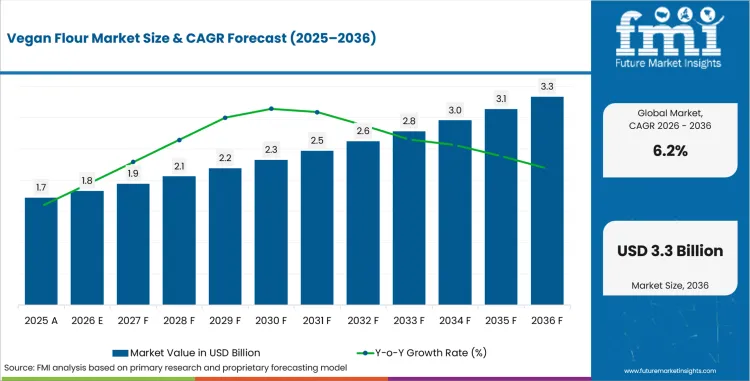
  • Vegan Flour Market to Reach USD 3.3 Billion by 2036
    The global vegan flour market is entering a new phase of mainstream expansion as both retail consumers and industrial food manufacturers look for nutritional alternatives to conventional wheat flour. According to latest insights by future market insights
    Exclusive Discounts on Full Report: https://www.futuremarketinsights.com/reports/vegan-flour-market
    Vegan Flour Market to Reach USD 3.3 Billion by 2036 The global vegan flour market is entering a new phase of mainstream expansion as both retail consumers and industrial food manufacturers look for nutritional alternatives to conventional wheat flour. According to latest insights by future market insights Exclusive Discounts on Full Report: https://www.futuremarketinsights.com/reports/vegan-flour-market
    WWW.FUTUREMARKETINSIGHTS.COM
    Vegan Flour Market : Global Industry Analysis 2016 - 2025 and Opportunity Assessment 2026 - 2036
    Vegan Flour Market is estimated to be valued at USD 1.8 Bn in 2026 and is expected to grow at a CAGR of 6.2% through 2036.
    0 Kommentare 0 Anteile 661 Ansichten 0 Vorschau
  • Trinexapac-ethyl Market for Cereal Crops to Reach USD 1.89 Billion by 2034 at 6.1% CAGR

    Global PGR for Lodging Reduction (Trinexapac-ethyl) in Cereal Crops (Wheat, Barley) market size was valued at USD 1.04 billion in 2025. The market is projected to grow from USD 1.11 billion in 2026 to USD 1.89 billion by 2034, exhibiting a CAGR of 6.1% during the forecast period.

    Get Full Report Here: https://www.24chemicalresearch.com/reports/308981/pgr-for-lodging-reduction-cereal-crops-market

    Trinexapac-ethyl Market for Cereal Crops to Reach USD 1.89 Billion by 2034 at 6.1% CAGR Global PGR for Lodging Reduction (Trinexapac-ethyl) in Cereal Crops (Wheat, Barley) market size was valued at USD 1.04 billion in 2025. The market is projected to grow from USD 1.11 billion in 2026 to USD 1.89 billion by 2034, exhibiting a CAGR of 6.1% during the forecast period. Get Full Report Here: https://www.24chemicalresearch.com/reports/308981/pgr-for-lodging-reduction-cereal-crops-market
    WWW.24CHEMICALRESEARCH.COM
    PGR for Lodging Reduction (Trinexapac-ethyl) in Cereal Crops (Wheat, Barley) Market Research Report 2026-2034
    PGR for Lodging Reduction in Cereal Crops Global PGR for Lodging Reduction (Trinexapac-ethyl) market was valued at USD 1.11 billion in 2026 and is projected to reach USD 1.89 billion by 2034, at a CAGR of 6.1%.
    0 Kommentare 0 Anteile 104 Ansichten 0 Vorschau
  • Toasted Flour Market Size To Grow At A CAGR Of 8.64% In The Forecast Period Of 2025-2032

    Global Toasted Flour Market Outlook: Market Estimation, Growth Drivers, Emerging Trends, and Competitive Landscape
    The global toasted flour market is experiencing steady growth as consumers and food manufacturers increasingly focus on nutritious, functional, and specialty flours for various culinary applications. Toasted flour, produced by roasting grains before milling, offers enhanced flavor, aroma, and nutritional benefits compared to traditional flours. With rising demand for baked goods, confectionery products, and gluten-free alternatives, the toasted flour market is poised for significant expansion across multiple regions.

    Request Free Sample Report:https://www.stellarmr.com/report/req_sample/toasted-flour-market/2466

    1. Market Estimation & Definition
    Toasted flour is made by roasting grains or legumes prior to grinding into fine powder. This process not only enhances taste and aroma but also improves digestibility and nutrient availability. The market includes flours derived from wheat, rice, corn, chickpeas, and other grains. Toasted flour finds applications in bakery items, snacks, pasta, traditional ethnic foods, and health-oriented products. The market also covers packaged and bulk flour, catering to both commercial food manufacturers and retail consumers. Rising consumer awareness about healthier ingredients and clean-label products is boosting demand for toasted flour globally.

    2. Market Growth Drivers & Opportunity
    Several factors are driving the growth of the toasted flour market:

    Increasing Health-Conscious Consumption: Consumers are seeking alternatives to refined flours, and toasted flour offers higher nutrient retention, improved digestibility, and natural flavor enhancement.

    Rising Demand for Specialty and Ethnic Foods: Toasted flour is widely used in ethnic cuisines, artisanal baking, and gourmet snacks, contributing to its growing popularity in both emerging and developed markets.

    Baking and Confectionery Industry Growth: The expanding bakery, confectionery, and packaged snack sectors are incorporating toasted flour to improve taste, texture, and product differentiation.

    Convenience and Ready-to-Use Products: Ready-to-use toasted flour blends appeal to both home cooks and foodservice providers, encouraging market adoption.

    Innovation in Product Offerings: Manufacturers are introducing gluten-free, protein-enriched, and flavored toasted flours to cater to evolving consumer preferences.

    These factors present significant opportunities for manufacturers, distributors, and retailers to expand offerings in retail and industrial segments while differentiating products through innovation.


    About us
    Phase 3,Navale IT Zone, S.No. 51/2A/2,

    Office No. 202, 2nd floor,

    Near, Navale Brg,Narhe,

    Pune, Maharashtra 411041

    sales@stellarmr.com

    Toasted Flour Market Size To Grow At A CAGR Of 8.64% In The Forecast Period Of 2025-2032 Global Toasted Flour Market Outlook: Market Estimation, Growth Drivers, Emerging Trends, and Competitive Landscape The global toasted flour market is experiencing steady growth as consumers and food manufacturers increasingly focus on nutritious, functional, and specialty flours for various culinary applications. Toasted flour, produced by roasting grains before milling, offers enhanced flavor, aroma, and nutritional benefits compared to traditional flours. With rising demand for baked goods, confectionery products, and gluten-free alternatives, the toasted flour market is poised for significant expansion across multiple regions. Request Free Sample Report:https://www.stellarmr.com/report/req_sample/toasted-flour-market/2466 1. Market Estimation & Definition Toasted flour is made by roasting grains or legumes prior to grinding into fine powder. This process not only enhances taste and aroma but also improves digestibility and nutrient availability. The market includes flours derived from wheat, rice, corn, chickpeas, and other grains. Toasted flour finds applications in bakery items, snacks, pasta, traditional ethnic foods, and health-oriented products. The market also covers packaged and bulk flour, catering to both commercial food manufacturers and retail consumers. Rising consumer awareness about healthier ingredients and clean-label products is boosting demand for toasted flour globally. 2. Market Growth Drivers & Opportunity Several factors are driving the growth of the toasted flour market: Increasing Health-Conscious Consumption: Consumers are seeking alternatives to refined flours, and toasted flour offers higher nutrient retention, improved digestibility, and natural flavor enhancement. Rising Demand for Specialty and Ethnic Foods: Toasted flour is widely used in ethnic cuisines, artisanal baking, and gourmet snacks, contributing to its growing popularity in both emerging and developed markets. Baking and Confectionery Industry Growth: The expanding bakery, confectionery, and packaged snack sectors are incorporating toasted flour to improve taste, texture, and product differentiation. Convenience and Ready-to-Use Products: Ready-to-use toasted flour blends appeal to both home cooks and foodservice providers, encouraging market adoption. Innovation in Product Offerings: Manufacturers are introducing gluten-free, protein-enriched, and flavored toasted flours to cater to evolving consumer preferences. These factors present significant opportunities for manufacturers, distributors, and retailers to expand offerings in retail and industrial segments while differentiating products through innovation. About us Phase 3,Navale IT Zone, S.No. 51/2A/2, Office No. 202, 2nd floor, Near, Navale Brg,Narhe, Pune, Maharashtra 411041 sales@stellarmr.com

    Like
    1
    0 Kommentare 0 Anteile 3KB Ansichten 0 Vorschau
  • Toasted Flour Market Size To Grow At A CAGR Of 8.64% In The Forecast Period Of 2025-2032

    Toasted Flour Market Outlook: Market Size, Growth Drivers, Segmentation, and Competitive Landscape
    The global toasted flour market is gaining steady traction as food manufacturers and consumers increasingly seek enhanced flavor profiles, improved texture, and functional versatility in food ingredients. Toasted flour, produced by heat-treating conventional flour, delivers a distinct nutty aroma, deeper color, and extended shelf stability. Its growing usage across bakery, confectionery, snacks, and ready-to-eat food applications positions toasted flour as a value-added ingredient within the broader food processing industry.

    Request Free Sample Report:https://www.stellarmr.com/report/req_sample/toasted-flour-market/2466

    1. Market Estimation & Definition
    Toasted flour is a processed flour variant obtained by roasting wheat or other grain flours under controlled conditions to alter flavor, color, and functionality. The toasting process reduces raw starch flavor, improves digestibility, and enhances thermal stability, making it suitable for both sweet and savory formulations. The toasted flour market includes production, processing, and distribution of toasted wheat flour and specialty grain flours for industrial and commercial food applications. Market growth is supported by expanding processed food consumption and the rising demand for premium and differentiated ingredients.

    2. Market Growth Drivers & Opportunities
    Several key factors are driving the expansion of the toasted flour market:

    Rising Demand for Processed Foods: Increasing consumption of packaged, bakery, and convenience foods has elevated the demand for functional flours that enhance taste and texture.

    Flavor Enhancement Requirements: Food manufacturers are adopting toasted flour to achieve richer, roasted flavor notes without relying on artificial additives.

    Clean-Label Trends: Toasted flour aligns with clean-label formulations, as it improves sensory attributes through physical processing rather than chemical modification.

    About us
    Phase 3,Navale IT Zone, S.No. 51/2A/2,

    Office No. 202, 2nd floor,

    Near, Navale Brg,Narhe,

    Pune, Maharashtra 411041

    sales@stellarmr.com
    Toasted Flour Market Size To Grow At A CAGR Of 8.64% In The Forecast Period Of 2025-2032 Toasted Flour Market Outlook: Market Size, Growth Drivers, Segmentation, and Competitive Landscape The global toasted flour market is gaining steady traction as food manufacturers and consumers increasingly seek enhanced flavor profiles, improved texture, and functional versatility in food ingredients. Toasted flour, produced by heat-treating conventional flour, delivers a distinct nutty aroma, deeper color, and extended shelf stability. Its growing usage across bakery, confectionery, snacks, and ready-to-eat food applications positions toasted flour as a value-added ingredient within the broader food processing industry. Request Free Sample Report:https://www.stellarmr.com/report/req_sample/toasted-flour-market/2466 1. Market Estimation & Definition Toasted flour is a processed flour variant obtained by roasting wheat or other grain flours under controlled conditions to alter flavor, color, and functionality. The toasting process reduces raw starch flavor, improves digestibility, and enhances thermal stability, making it suitable for both sweet and savory formulations. The toasted flour market includes production, processing, and distribution of toasted wheat flour and specialty grain flours for industrial and commercial food applications. Market growth is supported by expanding processed food consumption and the rising demand for premium and differentiated ingredients. 2. Market Growth Drivers & Opportunities Several key factors are driving the expansion of the toasted flour market: Rising Demand for Processed Foods: Increasing consumption of packaged, bakery, and convenience foods has elevated the demand for functional flours that enhance taste and texture. Flavor Enhancement Requirements: Food manufacturers are adopting toasted flour to achieve richer, roasted flavor notes without relying on artificial additives. Clean-Label Trends: Toasted flour aligns with clean-label formulations, as it improves sensory attributes through physical processing rather than chemical modification. About us Phase 3,Navale IT Zone, S.No. 51/2A/2, Office No. 202, 2nd floor, Near, Navale Brg,Narhe, Pune, Maharashtra 411041 sales@stellarmr.com
    0 Kommentare 0 Anteile 4KB Ansichten 0 Vorschau
  • Toasted Flour Market Size to Grow at a CAGR of 8.64% in the Forecast Period of 2025-2032

    Toasted Flour Market Set to Rise: Changing Consumer Diets & Food-Innovation Drive Demand
    Market Definition & Overview
    Toasted flour refers to flour obtained by heating or roasting raw cereal flour (such as wheat, rice, corn, or other grains) under controlled conditions — a process that imparts a distinctive flavor, aroma and sometimes improved digestibility or stability. Such flour can be used directly in cooking, baking, food-manufacturing, bakery items, snack foods, and other processed-food applications where “toasted” flavor or nutritional/functional benefits are desired.

    The toasted-flour market encompasses production (toasting, milling), distribution of toasted-flour products, and supply of toasted flour to downstream users — including bakeries, snack-food manufacturers, ready-to-eat meal producers, food-service outlets, restaurants, and home-consumers seeking specialty ingredients.

    Request Free Sample Report:https://www.stellarmr.com/report/req_sample/toasted-flour-market/2466

    Market Growth Drivers & Opportunities
    • Rising Demand for Specialty & Gourmet Food Products
    As consumers increasingly seek variety, novel flavors, artisanal and gourmet food experiences, toasted flour — offering a different, roasted/nutty flavor compared to standard raw flour — gains attractiveness. Bakeries and snack producers can leverage toasted flour to create differentiated products: breads, cookies, crackers, specialty crusts, snack mixes with richer flavor profiles.

    • Growth in Ready-to-Eat Foods, Snacks & Bakery Products
    The expansion of the convenience-food and snack sector globally drives demand for ingredients that deliver distinctive taste, texture and shelf-life. Toasted flour — with its unique flavor and possibly better flavor stability — becomes a valuable input for manufacturers of baked and snack goods aiming for quality and taste differentiation.

    • Consumer Shift Toward Natural, Traditional & Clean-Label Ingredients
    As consumers become more health- and ingredient-conscious, products with minimal processing, natural flavor enhancement (like toasting instead of artificial flavoring), and transparency in ingredients appeal more. Toasted flour fits into clean-label and artisan-food trends, offering “real” roasted flavor without artificial additives.

    • Innovation in Food Formulations & Ethnic/Traditional Recipes
    Food producers experimenting with ethnic cuisines, traditional recipes, fusion foods or heritage-style baked goods may use toasted flour for authenticity of flavor and texture — especially in regions where toasted or roasted-grain preparations are common. This drives demand among niche and specialty food markets.

    • Potential for Functional Benefits & Diversified Grain Use
    Depending on processing, toasted flour from different grains (wheat, corn, rice, multigrain blends) may offer varying nutritional or functional properties. Producers and consumers seeking variety — gluten-free options, multigrain blends, browned-flavor flours — may adopt toasted flour as a differentiated grain product.

    What Lies Ahead: Emerging Trends Shaping the Future
    Growth of Artisanal, Gourmet & Boutique Bakeries Using Specialty Flours
    Small-batch bakeries, artisanal bread makers, and gourmet-food producers may increasingly adopt toasted flour to differentiate their products via unique taste, aroma and texture — appealing to niche and premium-market consumers.

    Expansion in Snack & Convenience Foods Market
    As snacks, ready-to-eat meals and convenience foods proliferate — especially in urban markets — toasted flour may be used in crackers, flatbreads, biscuits, cereal-based snacks, granolas, and other processed foods to add roasted flavor and appeal.

    Innovation in Health & Specialty Foods (Gluten-free, Multigrain, Ethnic Recipes)
    Use of toasted flours from non-wheat grains (e.g. rice, corn, millet) may expand — supporting consumer demand for gluten-free or alternative-grain products, with toasted flavor that enhances acceptability.

    Rise in Small-Scale & Localized Production — Artisan Milling & Niche Markets
    Local mills and small producers may offer freshly toasted flour to meet demand for freshness, regional flavors, and food-culture products — enabling growth in regional markets, direct-to-consumer sales and boutique food segments.


    About us

    Phase 3,Navale IT Zone, S.No. 51/2A/2,

    Office No. 202, 2nd floor,

    Near, Navale Brg,Narhe,

    Pune, Maharashtra 411041

    sales@stellarmr.com

    Toasted Flour Market Size to Grow at a CAGR of 8.64% in the Forecast Period of 2025-2032 Toasted Flour Market Set to Rise: Changing Consumer Diets & Food-Innovation Drive Demand Market Definition & Overview Toasted flour refers to flour obtained by heating or roasting raw cereal flour (such as wheat, rice, corn, or other grains) under controlled conditions — a process that imparts a distinctive flavor, aroma and sometimes improved digestibility or stability. Such flour can be used directly in cooking, baking, food-manufacturing, bakery items, snack foods, and other processed-food applications where “toasted” flavor or nutritional/functional benefits are desired. The toasted-flour market encompasses production (toasting, milling), distribution of toasted-flour products, and supply of toasted flour to downstream users — including bakeries, snack-food manufacturers, ready-to-eat meal producers, food-service outlets, restaurants, and home-consumers seeking specialty ingredients. Request Free Sample Report:https://www.stellarmr.com/report/req_sample/toasted-flour-market/2466 Market Growth Drivers & Opportunities • Rising Demand for Specialty & Gourmet Food Products As consumers increasingly seek variety, novel flavors, artisanal and gourmet food experiences, toasted flour — offering a different, roasted/nutty flavor compared to standard raw flour — gains attractiveness. Bakeries and snack producers can leverage toasted flour to create differentiated products: breads, cookies, crackers, specialty crusts, snack mixes with richer flavor profiles. • Growth in Ready-to-Eat Foods, Snacks & Bakery Products The expansion of the convenience-food and snack sector globally drives demand for ingredients that deliver distinctive taste, texture and shelf-life. Toasted flour — with its unique flavor and possibly better flavor stability — becomes a valuable input for manufacturers of baked and snack goods aiming for quality and taste differentiation. • Consumer Shift Toward Natural, Traditional & Clean-Label Ingredients As consumers become more health- and ingredient-conscious, products with minimal processing, natural flavor enhancement (like toasting instead of artificial flavoring), and transparency in ingredients appeal more. Toasted flour fits into clean-label and artisan-food trends, offering “real” roasted flavor without artificial additives. • Innovation in Food Formulations & Ethnic/Traditional Recipes Food producers experimenting with ethnic cuisines, traditional recipes, fusion foods or heritage-style baked goods may use toasted flour for authenticity of flavor and texture — especially in regions where toasted or roasted-grain preparations are common. This drives demand among niche and specialty food markets. • Potential for Functional Benefits & Diversified Grain Use Depending on processing, toasted flour from different grains (wheat, corn, rice, multigrain blends) may offer varying nutritional or functional properties. Producers and consumers seeking variety — gluten-free options, multigrain blends, browned-flavor flours — may adopt toasted flour as a differentiated grain product. What Lies Ahead: Emerging Trends Shaping the Future Growth of Artisanal, Gourmet & Boutique Bakeries Using Specialty Flours Small-batch bakeries, artisanal bread makers, and gourmet-food producers may increasingly adopt toasted flour to differentiate their products via unique taste, aroma and texture — appealing to niche and premium-market consumers. Expansion in Snack & Convenience Foods Market As snacks, ready-to-eat meals and convenience foods proliferate — especially in urban markets — toasted flour may be used in crackers, flatbreads, biscuits, cereal-based snacks, granolas, and other processed foods to add roasted flavor and appeal. Innovation in Health & Specialty Foods (Gluten-free, Multigrain, Ethnic Recipes) Use of toasted flours from non-wheat grains (e.g. rice, corn, millet) may expand — supporting consumer demand for gluten-free or alternative-grain products, with toasted flavor that enhances acceptability. Rise in Small-Scale & Localized Production — Artisan Milling & Niche Markets Local mills and small producers may offer freshly toasted flour to meet demand for freshness, regional flavors, and food-culture products — enabling growth in regional markets, direct-to-consumer sales and boutique food segments. About us Phase 3,Navale IT Zone, S.No. 51/2A/2, Office No. 202, 2nd floor, Near, Navale Brg,Narhe, Pune, Maharashtra 411041 sales@stellarmr.com
    0 Kommentare 0 Anteile 5KB Ansichten 0 Vorschau
  • Toasted Flour Market Size, Share, Price, Trends, Report, Forecast 2025-2032

    Toasted Flour Market: Strategic Insights & Future Outlook
    Market Estimation & Definition
    The global Toasted Flour Market — per Stellar Market Research — was valued at USD 65.65 billion in 2024, and is projected to surge to USD 127.39 billion by 2032, growing at a compound annual growth rate (CAGR) of 8.64% during 2025–2032.
    “Toasted flour” refers to flour (made from various grains such as wheat, soybean, corn, or rice) that has been lightly roasted or browned in an oven or on a stovetop to impart a nutty, smoky, or caramelized flavor profile.It is used to enrich baked goods, sauces, batters, soups, coatings, and more with deeper taste, natural texture, and richer aroma.

    Request Free Sample Report:https://www.stellarmr.com/report/req_sample/toasted-flour-market/2466

    Market Growth Drivers & Opportunity
    Several factors are fueling the rapid rise of the toasted flour market:

    Flavor Enhancement & Culinary Versatility: Toasted flour adds a distinct nutty or roasted flavor, making it popular for sweet and savory preparations. According to SMR, it is being used to thicken soups, as a coating for fried foods, and in baked goods to enhance both flavor and texture.

    Health-Conscious Consumers: There’s increasing demand for natural, less-processed ingredients. Toasted flours are attractive to health-aware consumers, particularly when made from gluten-free grains.

    Artisanal & Gourmet Baking Trends: The growing popularity of artisanal, gourmet, and premium baked goods is pushing up use of specialty ingredients. Toasted flour brings sophistication and depth to bread, cookies, pastries, and crackers.

    Rise in Home Baking: As more people bake from home (especially after pandemic shifts), interest in unique, flavor-rich flours like toasted variants is on the rise. SMR points out that the home-baking trend is one of the key opportunistic drivers.

    Ingredient Innovation: Manufacturers are innovating by offering toasted flour from different grains (wheat, corn, soybean) and in various formats — providing options for different dietary needs and culinary uses.

    These drivers create strong opportunities for toasted-flour producers to expand product lines, penetrate newer segments (e.g., gluten-free, clean-label), and partner with bakeries, food-manufacturing brands, and ingredient suppliers.

    What Lies Ahead: Emerging Trends
    Key trends expected to shape the future of the toasted flour market include:

    Premium & Natural Positioning: As consumers pay more attention to ingredient provenance, toasted flour will increasingly be marketed as a premium, clean-label, functional ingredient.


    Press-Release Style Conclusion
    The Toasted Flour Market is entering a robust growth phase, expected to grow from USD 65.65 billion in 2024 to USD 127.39 billion by 2032, driven by shifting consumer preferences toward natural, flavorful ingredients and a surge in baking and gourmet food demand.

    For ingredient firms, millers, and food-product companies, the opportunity lies in innovating across grain types, building clean-label and toasted-flour portfolios, and tapping into both industrial bakery and home-baking segments. As market maturity increases, sustainability, product differentiation, and supply-chain transparency will become key competitive levers.

    In short, toasted flour is no longer a niche ingredient — it’s becoming a mainstream driver of flavor, health, and culinary innovation in the global food industry.

    About us
    Phase 3,Navale IT Zone, S.No. 51/2A/2,

    Office No. 202, 2nd floor,

    Near, Navale Brg,Narhe,

    Pune, Maharashtra 411041

    sales@stellarmr.com

    Toasted Flour Market Size, Share, Price, Trends, Report, Forecast 2025-2032 Toasted Flour Market: Strategic Insights & Future Outlook Market Estimation & Definition The global Toasted Flour Market — per Stellar Market Research — was valued at USD 65.65 billion in 2024, and is projected to surge to USD 127.39 billion by 2032, growing at a compound annual growth rate (CAGR) of 8.64% during 2025–2032. “Toasted flour” refers to flour (made from various grains such as wheat, soybean, corn, or rice) that has been lightly roasted or browned in an oven or on a stovetop to impart a nutty, smoky, or caramelized flavor profile.It is used to enrich baked goods, sauces, batters, soups, coatings, and more with deeper taste, natural texture, and richer aroma. Request Free Sample Report:https://www.stellarmr.com/report/req_sample/toasted-flour-market/2466 Market Growth Drivers & Opportunity Several factors are fueling the rapid rise of the toasted flour market: Flavor Enhancement & Culinary Versatility: Toasted flour adds a distinct nutty or roasted flavor, making it popular for sweet and savory preparations. According to SMR, it is being used to thicken soups, as a coating for fried foods, and in baked goods to enhance both flavor and texture. Health-Conscious Consumers: There’s increasing demand for natural, less-processed ingredients. Toasted flours are attractive to health-aware consumers, particularly when made from gluten-free grains. Artisanal & Gourmet Baking Trends: The growing popularity of artisanal, gourmet, and premium baked goods is pushing up use of specialty ingredients. Toasted flour brings sophistication and depth to bread, cookies, pastries, and crackers. Rise in Home Baking: As more people bake from home (especially after pandemic shifts), interest in unique, flavor-rich flours like toasted variants is on the rise. SMR points out that the home-baking trend is one of the key opportunistic drivers. Ingredient Innovation: Manufacturers are innovating by offering toasted flour from different grains (wheat, corn, soybean) and in various formats — providing options for different dietary needs and culinary uses. These drivers create strong opportunities for toasted-flour producers to expand product lines, penetrate newer segments (e.g., gluten-free, clean-label), and partner with bakeries, food-manufacturing brands, and ingredient suppliers. What Lies Ahead: Emerging Trends Key trends expected to shape the future of the toasted flour market include: Premium & Natural Positioning: As consumers pay more attention to ingredient provenance, toasted flour will increasingly be marketed as a premium, clean-label, functional ingredient. Press-Release Style Conclusion The Toasted Flour Market is entering a robust growth phase, expected to grow from USD 65.65 billion in 2024 to USD 127.39 billion by 2032, driven by shifting consumer preferences toward natural, flavorful ingredients and a surge in baking and gourmet food demand. For ingredient firms, millers, and food-product companies, the opportunity lies in innovating across grain types, building clean-label and toasted-flour portfolios, and tapping into both industrial bakery and home-baking segments. As market maturity increases, sustainability, product differentiation, and supply-chain transparency will become key competitive levers. In short, toasted flour is no longer a niche ingredient — it’s becoming a mainstream driver of flavor, health, and culinary innovation in the global food industry. About us Phase 3,Navale IT Zone, S.No. 51/2A/2, Office No. 202, 2nd floor, Near, Navale Brg,Narhe, Pune, Maharashtra 411041 sales@stellarmr.com
    0 Kommentare 0 Anteile 3KB Ansichten 0 Vorschau
  • Bio-seeds Market Size To Grow At A CAGR Of 10.5 % In The Forecast Period Of 2025-2032

    Global Bio-Seeds Market – Growth, Trends, and Strategic Outlook

    Market Overview

    The global bio-seeds market was valued at approximately USD 4.93 billion in 2024 and is projected to reach USD 34.79 billion by 2031, growing at a compound annual growth rate (CAGR) of 32.2% from 2025 to 2031

    Request Free Sample Report:https://www.stellarmr.com/report/req_sample/Bio-seeds-Market/1714

    Market Dynamics

    Drivers:

    Sustainable Agriculture Practices: Increasing adoption of bio-seeds aligns with the global shift towards sustainable farming methods, reducing dependency on chemical inputs and promoting environmental health.

    Technological Advancements: Innovations in biotechnology, such as gene editing and molecular breeding, have led to the development of bio-seeds with enhanced traits like pest resistance and drought tolerance.

    Consumer Demand for Organic Products: Rising consumer preference for organic and non-GMO food products is driving the demand for bio-seeds, particularly in crops like corn, soybean, and canola.

    Restraints:

    Regulatory Challenges: Stringent regulations and approval processes for genetically modified organisms (GMOs) in certain regions may hinder the widespread adoption of bio-seeds.

    Market Fragmentation: The bio-seeds market is fragmented, with numerous players offering a variety of products, leading to intense competition and price sensitivity.

    Market Segmentation

    By Crop Type:

    Corn: Dominates the market with a 41.2% share in 2024, driven by its widespread use in food, feed, and biofuel industries.

    Soybean: Expected to hold a substantial market share due to its critical role in the global food and oilseed industries.

    Canola: Gaining popularity as a healthy oil alternative in cooking and as a high-protein animal feed source.

    Wheat: Crucial for food security, with gradual growth in bio-seed adoption due to advancements in breeding technologies.

    Rice: Smaller share in the bio-seeds market, but demand is expected to rise with efforts to enhance productivity and resistance to environmental stresses.

    By Trait:

    Herbicide Tolerance: Captured 51.6% of the market by trait in 2024.

    Insect Resistance: Significant adoption in crops like cotton and corn.

    Drought Tolerance: Increasing focus due to climate change impacts on agriculture.

    Enhanced Nutritional Content: Emerging trend to meet consumer demand for fortified food products.

    By Distribution Channel:

    Retailers: Held a 43.3% share in 2024, providing direct access to consumers.

    Distributors & Wholesalers: Key players in reaching a broader market, especially in rural areas.

    Online Platforms: Growing in importance, offering convenience and a wide range of products.

    Competitive Landscape

    Key players in the global bio-seeds market include:

    Syngenta

    Corteva Agriscience

    BASF

    Bayer

    KWS SAAT SE Co. KGaA

    Limagrain

    Sakata Seed Corporation

    Vilmorin Cie

    Takii Co.

    Monsanto

    Conclusion

    The global bio-seeds market is experiencing rapid growth, driven by the increasing demand for sustainable agriculture, technological advancements in seed development, and consumer preference for organic products. While challenges such as regulatory hurdles and market fragmentation exist, the market presents significant opportunities for innovation and expansion. Companies focusing on research and development, strategic partnerships, and consumer education are well-positioned to capitalize on this growing market trend.

    About us

    Phase 3,Navale IT Zone, S.No. 51/2A/2,

    Office No. 202, 2nd floor,

    Near, Navale Brg,Narhe,

    Pune, Maharashtra 411041

    sales@stellarmr.com

    Bio-seeds Market Size To Grow At A CAGR Of 10.5 % In The Forecast Period Of 2025-2032 Global Bio-Seeds Market – Growth, Trends, and Strategic Outlook Market Overview The global bio-seeds market was valued at approximately USD 4.93 billion in 2024 and is projected to reach USD 34.79 billion by 2031, growing at a compound annual growth rate (CAGR) of 32.2% from 2025 to 2031 Request Free Sample Report:https://www.stellarmr.com/report/req_sample/Bio-seeds-Market/1714 Market Dynamics Drivers: Sustainable Agriculture Practices: Increasing adoption of bio-seeds aligns with the global shift towards sustainable farming methods, reducing dependency on chemical inputs and promoting environmental health. Technological Advancements: Innovations in biotechnology, such as gene editing and molecular breeding, have led to the development of bio-seeds with enhanced traits like pest resistance and drought tolerance. Consumer Demand for Organic Products: Rising consumer preference for organic and non-GMO food products is driving the demand for bio-seeds, particularly in crops like corn, soybean, and canola. Restraints: Regulatory Challenges: Stringent regulations and approval processes for genetically modified organisms (GMOs) in certain regions may hinder the widespread adoption of bio-seeds. Market Fragmentation: The bio-seeds market is fragmented, with numerous players offering a variety of products, leading to intense competition and price sensitivity. Market Segmentation By Crop Type: Corn: Dominates the market with a 41.2% share in 2024, driven by its widespread use in food, feed, and biofuel industries. Soybean: Expected to hold a substantial market share due to its critical role in the global food and oilseed industries. Canola: Gaining popularity as a healthy oil alternative in cooking and as a high-protein animal feed source. Wheat: Crucial for food security, with gradual growth in bio-seed adoption due to advancements in breeding technologies. Rice: Smaller share in the bio-seeds market, but demand is expected to rise with efforts to enhance productivity and resistance to environmental stresses. By Trait: Herbicide Tolerance: Captured 51.6% of the market by trait in 2024. Insect Resistance: Significant adoption in crops like cotton and corn. Drought Tolerance: Increasing focus due to climate change impacts on agriculture. Enhanced Nutritional Content: Emerging trend to meet consumer demand for fortified food products. By Distribution Channel: Retailers: Held a 43.3% share in 2024, providing direct access to consumers. Distributors & Wholesalers: Key players in reaching a broader market, especially in rural areas. Online Platforms: Growing in importance, offering convenience and a wide range of products. Competitive Landscape Key players in the global bio-seeds market include: Syngenta Corteva Agriscience BASF Bayer KWS SAAT SE Co. KGaA Limagrain Sakata Seed Corporation Vilmorin Cie Takii Co. Monsanto Conclusion The global bio-seeds market is experiencing rapid growth, driven by the increasing demand for sustainable agriculture, technological advancements in seed development, and consumer preference for organic products. While challenges such as regulatory hurdles and market fragmentation exist, the market presents significant opportunities for innovation and expansion. Companies focusing on research and development, strategic partnerships, and consumer education are well-positioned to capitalize on this growing market trend. About us Phase 3,Navale IT Zone, S.No. 51/2A/2, Office No. 202, 2nd floor, Near, Navale Brg,Narhe, Pune, Maharashtra 411041 sales@stellarmr.com
    0 Kommentare 0 Anteile 4KB Ansichten 0 Vorschau