


Sciatica Physical Therapy: Treatment Approaches to Reduce Nerve Pain and Improve Daily Mobility
Sciatica can cause persistent pain, tingling, numbness, or weakness that travels from the lower back through the hips and down one or both legs. These symptoms often develop when the sciatic nerve becomes irritated or compressed, making everyday activities such as walking, sitting, standing, and bending uncomfortable. For some individuals, the discomfort is temporary, while others experience recurring symptoms that interfere with work, exercise, sleep, and overall quality of life. Understanding the underlying causes of sciatic nerve irritation is an important first step toward finding an effective treatment approach. Professional rehabilitation can help address movement limitations, improve physical function, and support a gradual return to normal activities.
Sciatica Physical Therapy offers a structured, non-surgical approach to managing symptoms and improving mobility through individualized exercises, movement training, and therapeutic techniques. Rather than focusing only on temporary pain relief, physical therapy aims to identify contributing factors such as muscle tightness, reduced flexibility, poor movement patterns, and weaknesses around the spine and hips. A qualified physical therapist evaluates the patient's condition and develops a treatment plan based on symptom severity, physical abilities, and recovery goals. With consistent participation and appropriate guidance, rehabilitation can help individuals improve strength, move more comfortably, and develop strategies for managing future flare-ups.
Understanding the Common Causes and Symptoms of Sciatica
Sciatica refers to symptoms associated with irritation or compression of the sciatic nerve, which extends from the lower spine through the buttocks and into the legs. Several conditions can contribute to this problem, including herniated discs, spinal stenosis, degenerative changes in the spine, and certain muscular conditions. A herniated disc may place pressure on nearby nerve roots, while narrowing of the spinal canal can reduce the space available for nerves. In some cases, tight or irritated muscles around the hips and buttocks may contribute to symptoms that resemble sciatic nerve pain. Common signs include sharp or burning discomfort, tingling sensations, numbness, and weakness that may affect one leg more than the other. Symptoms can become more noticeable during prolonged sitting, bending, coughing, or certain movements. Identifying the source and pattern of discomfort helps healthcare professionals determine the most appropriate treatment strategy and avoid relying on approaches that may aggravate the condition.
How Physical Therapy Helps Relieve Sciatic Nerve Pain
Physical therapy focuses on improving the body's ability to move while addressing factors that may contribute to nerve irritation. A rehabilitation professional begins by assessing posture, spinal mobility, muscle strength, flexibility, walking patterns, and movements that increase or reduce symptoms. This evaluation helps determine which exercises and treatment techniques are appropriate for the individual's condition. Depending on the assessment, therapy may include gentle mobility exercises, targeted stretching, strengthening activities, and education about safer movement patterns. These interventions can help reduce unnecessary strain on the lower back and surrounding structures while supporting better coordination between the spine, hips, and legs. Sciatica Physical Therapy also emphasizes gradual progression, allowing patients to increase their activity levels without placing excessive stress on sensitive tissues. Treatment is adjusted as symptoms change, ensuring that exercises remain appropriate throughout the recovery process. Although improvement varies between individuals, a consistent and professionally guided rehabilitation program can help restore confidence in everyday movement.
Targeted Exercises to Improve Flexibility and Mobility
Appropriate exercises are an important part of sciatica rehabilitation because restricted movement and muscle weakness can make daily activities more difficult. Physical therapists may recommend gentle stretches for the hamstrings, hip muscles, and other areas surrounding the lower back, depending on the patient's symptoms and diagnosis. Certain movements may help reduce stiffness and improve flexibility, while carefully selected spinal mobility exercises can encourage more comfortable movement through the lower back. Nerve mobility exercises, sometimes called nerve glides, may also be introduced when clinically appropriate to support the movement of the sciatic nerve through surrounding tissues. These exercises must be performed carefully because aggressive stretching or repeated movements that increase radiating pain can worsen symptoms. A therapist demonstrates proper technique, explains how many repetitions are suitable, and monitors the body's response. The objective is not to force greater flexibility but to improve comfortable movement gradually. Over time, an individualized exercise routine can help patients perform activities such as walking, getting dressed, climbing stairs, and changing positions with less difficulty.
Strengthening the Core and Supporting Muscles
Muscle strength plays an important role in spinal stability and efficient movement. Weakness in the abdominal muscles, glutes, hips, and other supporting muscle groups may contribute to poor movement control and increased strain during everyday activities. Physical therapists often introduce strengthening exercises that match the patient's current abilities and symptoms. These may include gentle abdominal activation, pelvic control exercises, bridges, and modified hip-strengthening movements. As the patient progresses, exercises may become more challenging to improve endurance, balance, and coordination. Strengthening the muscles around the trunk and pelvis can help support better posture and movement mechanics during lifting, walking, and other functional activities. The exercises should be introduced gradually, with attention to correct technique and symptom response. Sciatica Physical Therapy incorporates strengthening as part of a broader rehabilitation plan so patients can build the physical capacity needed for daily tasks. Developing stronger supporting muscles may also help individuals maintain healthier movement habits and reduce unnecessary stress on the lower back during routine activities.
Improving Posture and Everyday Movement Habits
Daily movement patterns can influence how much pressure and strain the lower back experiences. Prolonged sitting, poor lifting techniques, repetitive bending, and limited movement throughout the day may aggravate symptoms in some individuals. Physical therapy helps patients recognize habits that may be contributing to discomfort and replace them with more comfortable alternatives. For example, a therapist may recommend adjusting workstation height, supporting the lower back while sitting, changing positions regularly, and using proper body mechanics when lifting objects. Learning how to bend through the hips and knees rather than relying entirely on the lower back can make certain activities more manageable. Patients may also benefit from short walking breaks and a gradual return to activities that have been limited by pain. Postural recommendations should be individualized because no single sitting or standing position is ideal for everyone. The goal is to encourage regular movement, reduce prolonged strain, and improve the body's ability to handle everyday physical demands. These practical adjustments can complement clinic-based exercises and support progress outside scheduled treatment sessions.
Manual Therapy and Other Rehabilitation Techniques
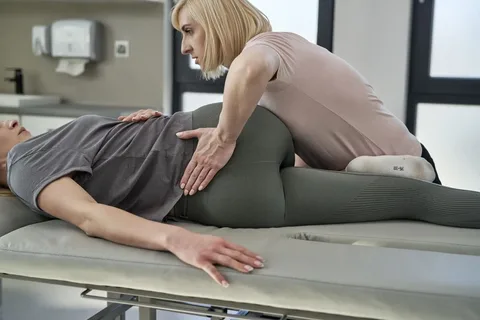
Depending on the patient's condition, physical therapy may include hands-on techniques designed to improve comfort and movement. Manual therapy can involve gentle soft-tissue techniques, joint mobilization, or other professionally selected methods that address stiffness and restricted mobility. Some patients may benefit from heat or cold applications as part of a broader symptom-management strategy, while others may receive guidance on activity modification and graded exercise. These techniques are not appropriate for every condition, so the therapist considers the patient's medical history, symptoms, and examination findings before selecting them. Manual treatment should support an active rehabilitation program rather than replace exercise and functional training. Patients may also receive education about pacing activities, recognizing symptom triggers, and avoiding movements that consistently increase radiating pain. A combination of appropriate hands-on care and progressive exercise can help improve comfort while building the strength and movement control needed for daily activities. Treatment should be reviewed regularly so that the rehabilitation plan continues to reflect the patient's response and changing recovery needs.
Creating a Personalized Recovery Plan for Long-Term Results
Sciatica can affect individuals differently, which makes personalized rehabilitation especially important. Some people experience symptoms related to a recent disc injury, while others have discomfort associated with long-term spinal changes or recurring movement problems. A physical therapist considers these differences when creating a treatment plan, taking into account pain levels, mobility restrictions, muscle strength, work demands, and personal goals. Early treatment may focus on reducing aggravating activities and restoring comfortable movement. As symptoms improve, the program can progress toward strengthening, balance training, endurance exercises, and functional activities that prepare patients for normal routines. Progress should be monitored through changes in pain, walking tolerance, flexibility, strength, and the ability to complete everyday tasks. Sciatica Physical Therapy can also help patients understand how to respond to occasional symptom flare-ups and maintain an appropriate exercise routine after formal treatment ends. Long-term improvement often depends on consistency, realistic activity progression, and following professional recommendations rather than expecting immediate results. A personalized plan gives patients practical tools to support recovery and maintain greater independence.
Conclusion
Sciatica can make routine activities challenging, but an appropriate rehabilitation program can help individuals improve movement, manage discomfort, and rebuild physical confidence. Identifying contributing factors, restoring flexibility, strengthening supporting muscles, and improving daily movement habits are important parts of a comprehensive recovery approach. Professional guidance also helps patients choose suitable exercises, avoid unnecessary strain, and progress at a pace that matches their condition. Sciatica Physical Therapy provides an individualized pathway toward better mobility by combining therapeutic exercise, movement education, and appropriate rehabilitation techniques. Individuals experiencing persistent or recurring symptoms should seek an evaluation from a qualified healthcare professional to determine the cause and discuss suitable treatment options. With consistent care and an active approach to recovery, many people can work toward improved function and a more comfortable daily routine.

 English
 Arabic
 Spanish
 Portuguese
 Deutsch
 Turkish
 Dutch
 Italiano
 Russian
 Romaian
 Portuguese (Brazil)
 Greek