


A Practical Guide to Choosing Custom Steel Pipe Solutions
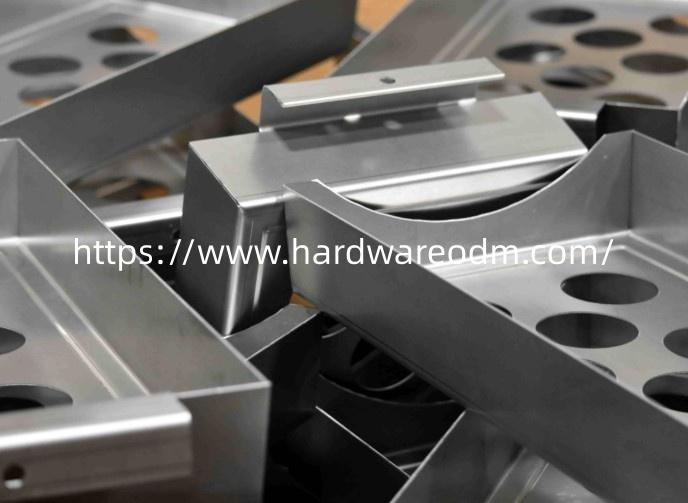
Steel selection is an important starting point for pipe manufacturing because the material influences how the finished product can be processed and how it interacts with its working environment. Carbon steel, stainless steel, and alloy steel can serve different purposes depending on factors such as corrosion exposure, structural requirements, processing characteristics, and surface expectations. A suitable material should therefore be selected according to the complete application rather than simply the appearance of the finished pipe.
Carbon steel is commonly considered for structural and mechanical applications where practical processing and structural support are important. Stainless steel can be considered when corrosion resistance, cleanliness, or a particular visual finish is relevant. Other steel materials may be selected when a project requires specific mechanical or environmental characteristics. The important point for buyers is to communicate the actual working conditions before production begins.
The physical form of the raw pipe also affects the manufacturing process. Depending on the intended product, the pipe may need to be cut, bent, formed, reduced, welded, or combined with other metal parts. Each process changes the shape or structure of the material, so the production route should be considered during the design stage rather than after the basic product has already been finalized.
The purchasing process should begin with the function of the finished pipe product. It may become part of a structural frame, equipment assembly, support system, protective structure, mechanical component, or customized industrial product. Understanding its role helps buyers determine which material, processing method, connection method, and surface treatment are appropriate.
Compatibility with surrounding components is equally important. A fabricated pipe may need to connect with brackets, plates, fasteners, frames, fittings, or other metal components. The connection areas should therefore be considered as part of the complete assembly. Providing drawings, samples, or product descriptions can help a manufacturer understand how the pipe will be positioned and used.
Manufacturing technology provides the connection between a design concept and a finished pipe. Cutting establishes the required basic form, while bending can create curved structures without relying on multiple separate sections. Forming processes can change the shape of selected areas, while welding can connect pipe sections or integrate the pipe with other components. Yongkang Ruizan Industry and Trade Co., Ltd. states that its production capabilities include automatic pipe cutting, pipe shrinking, pipe bending, and welding, along with other metal processing services.
For customized products, process coordination can be especially important. A project may require several operations to be completed in a particular sequence so that the finished structure remains suitable for assembly. Early communication between the buyer and manufacturer can help identify how cutting, bending, forming, and welding should work together.
Welding quality also influences the finished appearance and usability of a pipe assembly. Cleanly planned joints can contribute to a more organized structure, while suitable welding methods can help integrate different sections into one finished product. Joint locations should be considered during product design because they can influence both assembly and appearance.
Surface treatment is another consideration. Depending on the material and application, a fabricated pipe may receive finishing intended to support corrosion resistance, cleaning, surface protection, or visual consistency. A suitable surface treatment can also help the pipe integrate more naturally with other components in the finished product.
User experience begins with installation. Pipe products that are easy to position and connect can make assembly more straightforward for technicians. Logical joint placement, accessible connection areas, and a structure designed around the surrounding equipment can reduce unnecessary adjustments during installation.
Maintenance should also be considered before production. Industrial products may require cleaning, inspection, repainting, replacement, or other service activities. A pipe structure with accessible joints and sensible connections can be easier for maintenance personnel to inspect. When designing a customized pipe assembly, buyers should consider not only how it will be installed but also how it will be accessed later.
The physical design of a fabricated pipe can strongly influence the appearance of the finished product. Smooth bends, consistent joints, clean surfaces, and coordinated shapes can create a more professional appearance. This can be particularly important when pipe structures remain visible in equipment, machinery, furniture, transportation products, or commercial installations.
Appearance should remain connected with function. A complicated shape may look distinctive but create unnecessary manufacturing or maintenance challenges. Conversely, a simple pipe structure can provide an effective combination of appearance, strength, accessibility, and ease of assembly when the design has been carefully developed.
Customization can also help integrate multiple functions into one pipe structure. A fabricated section may serve as a support while also providing a mounting point or connection for another component. Combining functions through thoughtful design can simplify the overall assembly and make the finished product easier to understand.
Supplier capabilities are another consideration when selecting a manufacturing partner. Yongkang Ruizan Industry and Trade Co., Ltd. describes itself as a manufacturer specializing in metal stamping, mold design and manufacturing, metal forming, pipe processing, production, and welding. The company also provides product design consultation, proofing, mold development, and production services.
Design communication can make customized production more efficient. Buyers can provide drawings, samples, application information, and descriptions of the intended working environment so the manufacturer can understand the complete requirement. This approach allows material selection and processing methods to be discussed together rather than treating them as separate decisions.
Quality control should cover the entire manufacturing process. Material preparation, cutting, forming, bending, welding, finishing, cleaning, and inspection can all affect the final condition of a fabricated pipe. Consistent production procedures can help create components that are easier to integrate into repeated assembly work.
For engineers and purchasing teams, evaluating material suitability, processing technology, connection methods, installation, maintenance, surface treatment, user experience, and appearance provides a practical framework for developing custom pipe products. These considerations help connect the fabricated pipe with the larger equipment or structure in which it will operate.
Yongkang Ruizan Industry and Trade Co., Ltd. combines pipe processing with broader metal manufacturing capabilities, allowing customers to discuss customized pipe products alongside stamping, forming, machining, and welding requirements. Its metal pipe services are designed around customized product development and manufacturing needs.
For more information about Yongkang Ruizan Industry and Trade Co., Ltd. and its customized metal pipe processing solutions, visit https://www.hardwareodm.com/product
 Spanish
 English
 Arabic
 French
 Portuguese
 Deutsch
 Turkish
 Dutch
Dutch
 Italiano
 Russian
 Romaian
 Portuguese (Brazil)
 Greek
Greek