


PokéRogue Got Me Hooked: The Runs Where I Kept Thinking “Just One More”
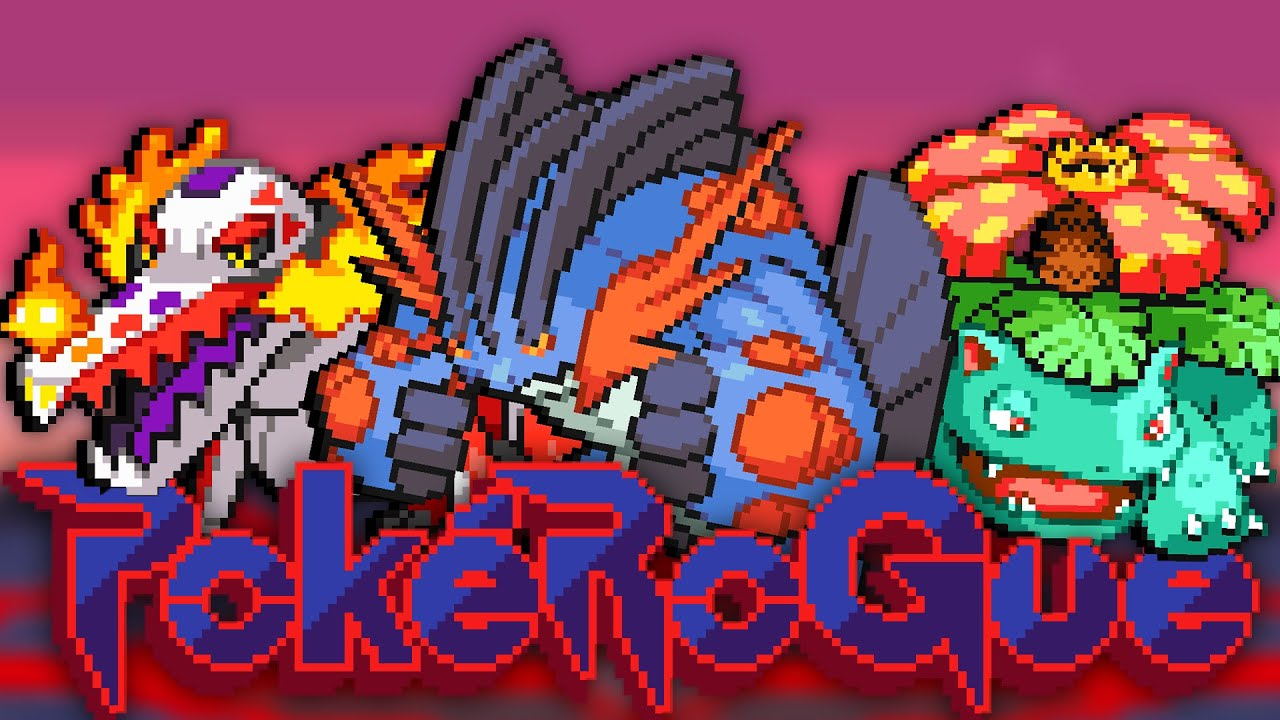
The first time I tried Pokerogue , I honestly didn’t expect it to stick to my brain. I thought I’d play a quick browser game, do a couple battles, and move on. But somewhere between my first “oh, that’s neat” moment and my first “wait… I might actually lose” moment, I started doing the classic gamer thing: I kept telling myself I’d stop after one more run.
And then I didn’t.
Building a Pokémon team is part of the battle
PokéRogue mixes Pokémon battles with a roguelite-style loop, which is a big deal for how you approach the game. In a normal Pokémon playthrough, you’re building a story team. Here, I felt like I was constantly building a solution to whatever the run throws at me.
The first thing I noticed is that team choice isn’t just “pick who looks strong.” There are costs tied to starter Pokémon, and you have to balance multiple picks under a total cap. My early runs were a mess because I kept choosing starters based on vibes—like “this one should be great” or “this looks like it’ll carry me.” It didn’t. Not when the run changes, biomes shift, and enemies start demanding real coverage.
Then there’s switching Pokémon during battles and managing the flow of consecutive encounters. I’d be doing fine for a while, then one fight would go sideways, and suddenly I’d be rethinking every decision I’d made in the earlier battles.
Catching Pokémon and finding out the hard way
Another thing I didn’t expect was how much I’d care about catching Pokémon during a run. You explore different biomes, you run into wild Pokémon, and catching them isn’t just a side activity—it actually contributes to future starter options.
So I started paying attention to what I caught, not just what I defeated. If I got something useful, I’d think, “Okay… that could make my next run smarter.” It made me feel like every failure still taught me something, even when I got knocked out.
Items, stamina, and the boss fights that punish sloppy thinking
Items are where my runs started to really feel different from traditional Pokémon. I learned quickly that healing and capturing aren’t something you can assume will always be available when you need it. There are no Pokémon Centers in the middle of things like in the main games, so whatever you pick up and plan becomes huge.
Also, I noticed how a run can snowball. Early on, I’d burn through too many resources because I played too aggressively—like I could brute-force my way through. Then I hit a tougher trainer or boss moment, and I’d realize I was running low on what I needed to survive the next section.
That’s when the “game loop” finally clicked for me: you’re not just trying to win a fight, you’re trying to last long enough to make progress.
The PokéRogue Dex is how I stop guessing
Somewhere after a couple failed attempts, I started using the Pokerogue Dex (dex.playpokerogue.com) more seriously. Not because I needed every detail—but because I kept running into moments where I’d think, “I probably should’ve known this earlier.”
When I’m planning a Pokémon team (or trying to decide whether a catch is actually worth it), I’ll check things like:
- Pokémon typing and what matchups I’m covering
- abilities and how they might change a fight
- base stats and whether something is genuinely worth the slot
- starter cost, so my team doesn’t fall apart under the cap
- evolution requirements, because surprise evolutions are fun right up until they don’t happen in time
- available moves and what I can realistically use during the run
- where a Pokémon shows up, so I’m not wasting time chasing something that’s unlikely to appear
It basically helped me go from “I hope this works” to “okay, this is what I’m aiming for.”
Lessons I learned (the ones that cost me the most)
If I had to summarize my own learning curve, it would be this: I stopped trying to draft the strongest starters and started trying to build a run that can adapt. I also learned that item planning matters more than I wanted it to, and that consecutive battles punish sloppy decisions fast.
And yeah—sometimes I still mess up. I’ll pick something because I think it’ll be cool, and then I’ll hit a situation where its matchups are just… not great. That’s when I get that specific PokéRogue itch: I want another run to prove I can do better with the same lessons.
Conclusion: come play, and let’s blame our losses together
PokéRogue isn’t an official Pokémon game—it’s fan-made, and it shows in the best way: it’s bold, chaotic, and rewarding when you start understanding how your decisions ripple through the run.
If you’re a Pokémon fan who likes strategy, team-building, and learning through trial and error, I really think you’ll enjoy it. And if you want to swap ideas, planning tips, or just laugh at the runs where everything went wrong… I’m down. Try PokéRogue, play a Daily Run if you feel like it, and then tell me what team choices you ended up sticking with.

 English
 Arabic
 French
 Spanish
 Portuguese
 Deutsch
 Turkish
 Dutch
Dutch
 Italiano
 Romaian
 Portuguese (Brazil)
 Greek
Greek