


Beyond Mammalian Cells: Why Plant-Derived Exosomes Are Shaping the Future of Nanomedicine
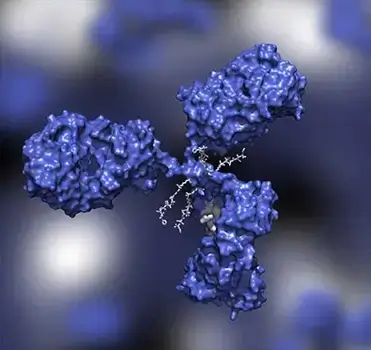
In the rapidly evolving field of nanomedicine, exosomes have emerged as promising natural vehicles for drug delivery and cellular communication. However, traditional mammalian-derived exosomes often present distinct challenges, including high production costs, complex scalability issues, and the theoretical risk of zoonotic pathogen transmission.
Enter a groundbreaking alternative: plant-derived exosome-like nanoparticles (PDENs). Extracted from everyday edible fruits and vegetables, these nanoscale vesicles are revolutionizing therapeutic research. By offering superior biocompatibility, cost-effective scalability, and inherent bioactive properties, plant exosomes are opening new avenues for targeted treatments and cross-kingdom biological communication.
The Bio-Advantage of Edible Plant Nanoparticles
Unlike synthetic lipid nanoparticles or animal-derived vesicles, plant exosomes are naturally equipped to survive harsh physiological environments, such as the human gastrointestinal tract. They are lipid-bilayer-enclosed structures that carry distinct cargo, including lipids, proteins, microRNAs, and secondary metabolites specific to their parent plant.
When consumed or administered, these vesicles facilitate "cross-kingdom communication"—meaning the genetic and molecular information from a plant can actively interact with mammalian cells to modulate immune responses, reduce inflammation, and promote tissue regeneration. Because they are derived from common dietary sources, they boast an exceptional safety profile, making them ideal candidates for next-generation drug delivery systems.
Antioxidant Powerhouses: Berry Nanovesicles
The therapeutic potential of PDENs varies significantly depending on the source plant. Berries, for instance, have long been celebrated for their nutritional benefits, but recent studies show that these effects are actively mediated at the nanoscale.
Researchers studying strawberry-derived exosomes have discovered that these vesicles are rich in specific plant miRNAs, vitamin C, and potent antioxidant compounds. In laboratory models, they have demonstrated a remarkable ability to mitigate oxidative stress and protect mammalian cellular integrity. This structural advantage makes them highly attractive for dermatological applications, anti-aging therapies, and the development of treatments targeting oxidative stress-induced cellular damage.
The Delivery Experts: Citrus-Based Carriers
Citrus fruits present another compelling frontier, particularly in the realm of targeted drug delivery. Among them, grapefruit-derived exosomes are perhaps the most extensively researched in contemporary pharmacology.
Scientists have successfully utilized grapefruit vesicles as highly efficient natural nanocarriers to deliver therapeutic agents—including anti-cancer drugs and anti-inflammatory molecules—directly to specific tissues. Notably, these exosomes show a high affinity for the intestinal tract and macrophages, making them uniquely suited for developing oral therapies for inflammatory bowel disease (IBD) and other localized gastrointestinal disorders. Their natural structural stability ensures that the encapsulated pharmacological cargo is safely protected from enzymatic degradation in the stomach.
Metabolic Regulators: Allium-Derived Vesicles
While fruits offer excellent delivery and antioxidant properties, certain medicinal vegetables bring potent antimicrobial and metabolic regulatory effects to the table. Garlic, an ancient medicinal staple, produces nanovesicles with profound immunological impacts.
Current research into garlic-derived exosomes indicates that they contain unique organosulfur compounds and specific RNAs that can modulate lipid metabolism and exert strong anti-inflammatory effects. Furthermore, these nanoparticles have shown promise in inhibiting certain viral and bacterial infections by interacting directly with host immune cells. This makes them a fascinating subject for metabolic disease research and the development of natural, immune-boosting adjunct therapies.
Overcoming Industry Challenges
Despite their immense potential, the clinical translation of plant-derived exosomes is not without hurdles. The primary challenges lie in standardized isolation, purification, and the precise characterization of their molecular cargo. Because plant cell walls differ significantly from mammalian cell membranes, extracting intact, high-yield exosomes requires highly specialized protocols.
To support this growing niche, various biotechnology firms provide essential infrastructure to bridge the gap between basic research and clinical application. For example, entities like Creative Biolabs offer comprehensive extraction, profiling, and optimization services that help researchers bypass technical bottlenecks. By leveraging professional isolation platforms, scientists can ensure the purity, yield, and batch-to-batch consistency of plant exosomes, which is absolutely critical for reproducible in vivo and in vitro studies.
Conclusion
The paradigm shift from mammalian to plant-derived exosomes represents a crucial step forward in sustainable, safe, and highly effective nanomedicine. Whether utilizing the antioxidant power of strawberries, the resilient delivery capabilities of grapefruits, or the metabolic benefits of garlic, edible plant nanoparticles offer a diverse, naturally engineered toolkit for therapeutic innovation. As extraction technologies mature, plant exosomes are poised to transition from the laboratory bench to transformative clinical applications, redefining how we approach non-toxic drug delivery.
 Spanish
 English
 Arabic
 French
 Portuguese
 Deutsch
 Turkish
 Dutch
Dutch
 Italiano
 Russian
 Romaian
 Portuguese (Brazil)
 Greek
Greek