


How Can PVC Tarpaulin Fabric Adapt to Different Covering Needs?
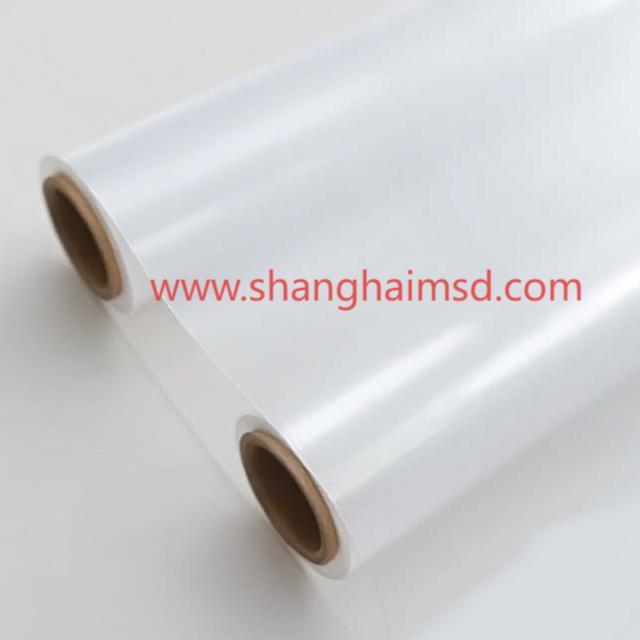
When outdoor projects call for a material that can combine flexible handling with protection from everyday environmental exposure, PVC Tarpaulin Fabric from ShanghaiMsd provides an option for applications across transportation, construction, agriculture, events, advertising, and industrial protection. Its coated structure brings together a woven textile base and PVC surface, creating a material that can be shaped around practical requirements while maintaining a functional barrier against moisture and routine outdoor conditions.
The structure of a tarpaulin matters because different applications place different demands on the material. A woven polyester base can provide tensile support and dimensional stability, while the PVC coating contributes water resistance, surface protection, and flexibility. This combination allows manufacturers to create coverings that can be folded, rolled, welded, or fabricated according to the intended use.
Transportation is one area where this type of material can become part of a practical protection system. Truck covers, side curtains, cargo coverings, and container protection require surfaces that can be handled repeatedly while helping shield goods from rain, dust, sunlight, and general exposure. The flexible construction also makes installation and removal more convenient when access to cargo is required.
Construction projects present another useful setting. Building materials, machinery, tools, and temporary work areas may need protection from changing weather conditions. Coated fabric can be fabricated into covers, barriers, temporary shelters, or protective sheeting, allowing project teams to adapt coverage to different spaces without relying entirely on rigid structures.
Agricultural applications also benefit from flexible protective materials. Covers for stored crops, equipment, feed, and other agricultural resources can help reduce exposure to rain, moisture, dust, and sunlight. Depending on the construction selected, the material can be incorporated into temporary structures, storage protection, or other agricultural covering systems.
Outdoor events introduce a different design perspective. Tents, canopies, market structures, stage backgrounds, and temporary display areas all require materials that can combine visual presentation with practical coverage. The printable surface of suitable coated fabrics can also support banners and decorative graphics, allowing functional structures to become part of an event's visual environment.
Industrial environments may require protection for machinery, equipment, storage areas, and materials. Here, selection should consider the working conditions rather than relying on a single material specification. Factors such as exposure, handling frequency, fabrication method, surface finish, and required flexibility can influence the appropriate construction.
Fabrication is another important consideration. Depending on the intended product, coated fabric may be joined through welding or other suitable techniques to create seams and finished edges. Proper fabrication can help form covers, curtains, shelters, and custom-shaped structures while keeping the material aligned with the needs of the final application.
Color and surface treatment can also influence the final result. A practical covering does not always need to look purely functional. For advertising, events, retail environments, or branded structures, color and print can contribute to the overall appearance. For industrial use, meanwhile, material selection may focus more closely on handling, protection, cleaning, and environmental exposure.
Choosing a suitable coated fabric therefore begins with understanding the project itself. Where will the material be used? How will it be installed? Will it need to be printed, welded, folded, or frequently moved? What type of environmental exposure should it accommodate? Considering these questions before selection can help connect material characteristics with the real requirements of the finished product.
A useful material should leave room for practical thinking and creative adaptation. From a truck curtain moving along a busy route to a temporary shelter taking shape at an outdoor event, flexible coated fabric can become part of many different solutions.
Your next covering project may begin with a simple material question: what could be made possible when protection and flexibility work together? Take that question further at https://www.shanghaimsd.com/product/ , where a new material idea can become the starting point for your next application.
 Spanish
 English
 Arabic
 French
 Portuguese
 Deutsch
 Turkish
 Dutch
Dutch
 Italiano
 Russian
 Romaian
 Portuguese (Brazil)
 Greek
Greek