


ABC Cable Current Carrying Capacity: Factors Engineers Must Consider Before Selection
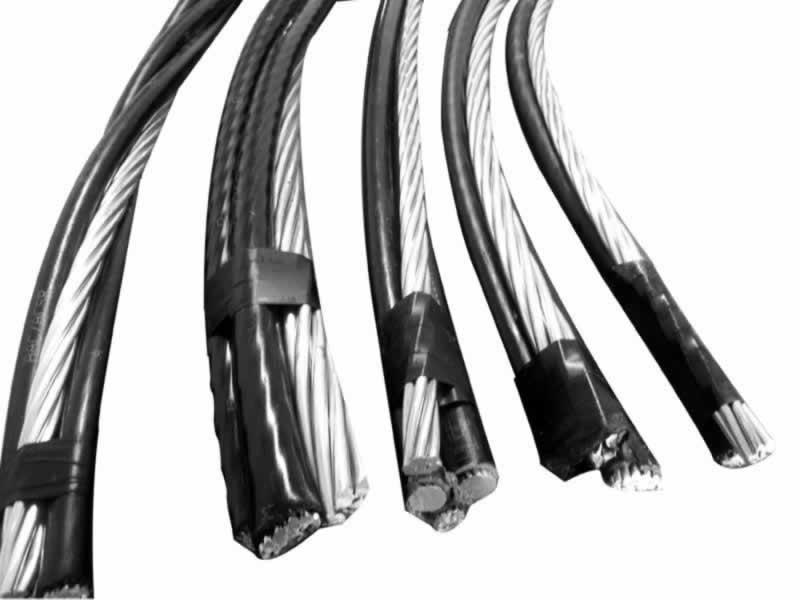
In overhead low-voltage distribution systems, selecting a suitable cable is not simply a matter of choosing a conductor size based on rated voltage. Current carrying capacity is one of the most important engineering parameters because it directly affects system safety, energy efficiency, service life, and operational reliability.
ABC (Aerial Bundled Cable) systems are widely used in urban distribution networks, rural electrification projects, and industrial power connections due to their compact structure and reduced installation complexity. However, engineers should understand that the actual current capacity of an ABC cable is influenced by multiple factors beyond the conductor cross-sectional area.
A technically correct selection requires consideration of conductor material, insulation characteristics, installation environment, load conditions, and applicable standards.
1. Conductor Size Is Only the Starting Point
The cross-sectional area of the conductor is usually the first specification engineers review when evaluating ABC cable current capacity. Larger conductors generally allow higher current flow because they provide lower electrical resistance and better heat dissipation.
For example, a 16 mm² aluminum conductor and a 95 mm² aluminum conductor will have significantly different allowable current ratings. However, conductor size alone cannot determine the final operating limit.
Engineers must also consider:
- Conductor material (aluminum or aluminum alloy)
- Number of current-carrying conductors
- Operating voltage
- Allowable temperature rise
- Installation conditions
- Continuous or intermittent loading
A common mistake in cable selection is assuming that a larger conductor always solves capacity problems. In reality, an oversized cable may increase project cost without providing meaningful advantages if other design factors are ignored.
2. Ambient Temperature Has a Direct Impact on Cable Capacity
The surrounding environment plays a major role in determining ABC cable performance.
When ambient temperatures increase, the ability of the cable to release heat decreases. Since electrical resistance increases with conductor temperature, excessive heat can create a cycle of increasing losses and higher operating temperatures.
For overhead installations, engineers should evaluate:
- Maximum local air temperature
- Solar radiation exposure
- Seasonal temperature variations
- Installation altitude
A cable operating in a hot climate may have a lower practical current rating compared with the same cable installed in a cooler region.
For example, an ABC cable installed in a tropical area with high solar exposure may require derating compared with a similar installation in a temperate climate.
3. Insulation Material Influences Thermal Performance
The insulation system is another important factor affecting current capacity.
Most modern ABC cable designs use XLPE (cross-linked polyethylene) insulation because of its excellent thermal stability, mechanical strength, and resistance to environmental stress.
Compared with traditional PVC insulation, XLPE provides:
- Higher continuous operating temperature
- Better resistance to moisture
- Improved resistance against UV exposure
- Higher mechanical durability
However, engineers should not assume that all XLPE-insulated cables have identical performance. The insulation thickness, manufacturing quality, and cable design also influence heat transfer and long-term reliability.
4. Installation Method Changes Real-World Current Ratings
The same ABC cable may have different current carrying capabilities depending on how it is installed.
Important installation factors include:
Cable Arrangement
Bundled conductors have different thermal characteristics compared with separated conductors. The compact arrangement reduces the required installation space but can affect heat dissipation.
Span Length and Mechanical Tension
Longer spans create additional mechanical stress. While this does not directly change electrical capacity, excessive tension or improper installation may affect cable integrity over time.
Proximity to Other Cables
When multiple cables are installed close together, heat accumulation may occur. Engineers should consider whether nearby cables, transformers, or equipment could reduce cooling efficiency.
5. Load Characteristics Must Be Evaluated Carefully
Current carrying capacity should always match the actual load profile rather than only the maximum expected current.
Engineers should analyze:
- Peak demand periods
- Continuous loading duration
- Future load expansion
- Motor starting currents
- Harmonic distortion from electronic equipment
For residential distribution networks, the load pattern may vary significantly throughout the day. Industrial applications often require more detailed analysis because equipment may operate continuously at high loads.
A cable operating close to its maximum rating for long periods may experience accelerated insulation aging, even if it technically meets short-term requirements.
6. Voltage Drop and Current Capacity Should Be Considered Together
Current capacity is closely related to voltage drop calculations.
A cable may safely carry a specific current, but excessive voltage drop can still create performance problems for connected equipment.
Engineers should evaluate:
- Cable length
- Conductor resistance
- Load power factor
- Acceptable voltage variation
For long rural distribution lines, voltage drop may become a limiting factor before thermal capacity is reached.
Therefore, selecting ABC cable requires balancing both current capacity and voltage regulation requirements.
7. Standards and Testing Requirements
Reliable ABC cable selection should be based on recognized industry standards rather than only manufacturer data.
Common reference standards include:
- IEC cable standards
- National electrical installation regulations
- Utility company specifications
- Local grid design requirements
Engineers should verify:
- Rated current values
- Maximum conductor temperature
- Short-circuit withstand capability
- Insulation performance
- Mechanical testing results
Different countries and utilities may apply different requirements, so cable selection should always consider the final installation environment.
Practical Example: Selecting ABC Cable for a Residential Network
Consider a residential expansion project requiring a new low-voltage overhead distribution system.
The design team should evaluate:
- Expected peak load from households
- Future demand growth
- Maximum ambient temperature
- Required service life
- Pole spacing and installation conditions
A cable selected only according to current demand may become insufficient after several years as electricity consumption increases. A better engineering approach considers both present requirements and future network development.
Key Factors Engineers Should Review Before Selection
| Factor | Why It Matters |
|---|---|
| Conductor size | Determines basic current capability |
| Material type | Affects resistance and heat generation |
| Insulation system | Controls thermal limits and durability |
| Ambient temperature | Influences heat dissipation |
| Installation method | Changes real operating conditions |
| Load profile | Determines continuous stress level |
| Voltage drop | Ensures stable power delivery |
| Standards compliance | Guarantees safety and reliability |
Current Capacity Requires System-Level Thinking
ABC cable current carrying capacity is not determined by conductor size alone. Engineers must evaluate electrical, environmental, mechanical, and operational factors together before making a selection.
A properly designed ABC cable system should not only handle today's electrical demand but also maintain reliable performance throughout its expected service life. Considering real installation conditions, future expansion, and safety margins helps avoid overheating issues, unnecessary replacement costs, and network reliability problems.
For engineers and electrical designers, the correct approach is not simply choosing the cable with the highest ampacity, but selecting the cable that provides the best balance between performance, efficiency, and long-term system requirements.

 English
 Arabic
 French
 Spanish
 Portuguese
 Deutsch
 Dutch
Dutch
 Italiano
 Russian
 Romaian
 Portuguese (Brazil)
 Greek
Greek