


A Complete Guide to Better Sleep and a Longer-Lasting Bed for Mattress Protector
Introduction
A good night's sleep depends on more than just the mattress itself. Two often-overlooked bedding accessories, the mattress protector and the mattress topper, play a major role in determining how comfortable, hygienic, and durable a mattress remains over the years. While they sound similar and are sometimes confused with one another, they serve very different purposes. Understanding the distinction can help you make smarter choices for your bedroom and your budget.
What Is a Mattress Protector?
A Mattress Protector is a thin, fitted cover that wraps around your mattress, much like a fitted sheet. Its primary job is defense rather than comfort. It shields the mattress from spills, sweat, dust mites, allergens, and general wear. Many protectors are also waterproof or water-resistant, making them especially useful in households with young children, pets, or anyone prone to night sweats or allergies.
Because mattress protectors are usually made from thin materials such as cotton, polyester blends, or a breathable membrane laminate, they don't significantly change the feel of the mattress. Their purpose is purely functional: keeping the mattress beneath them clean and intact for as long as possible.
What Is a Mattress Topper?
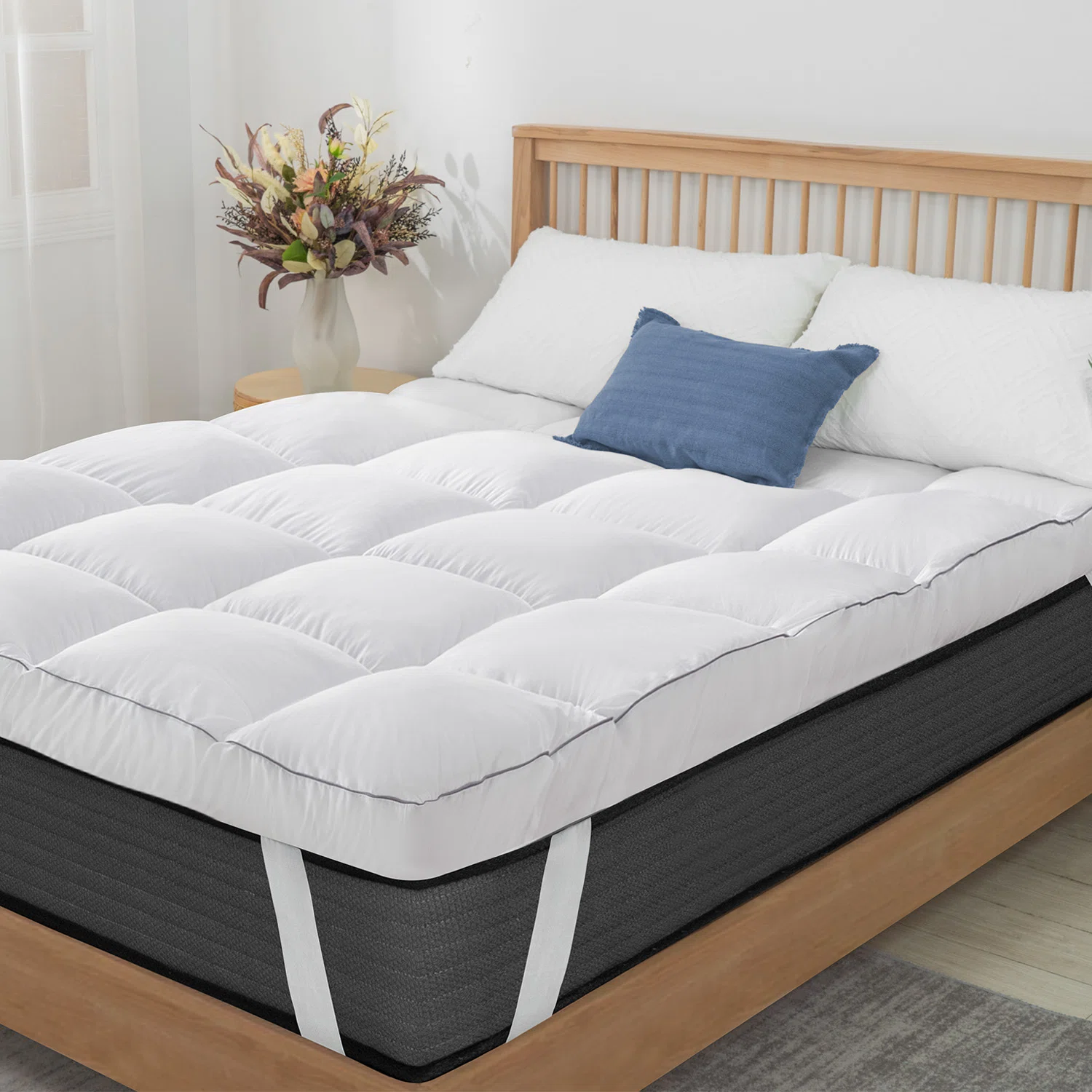
A mattress topper, by contrast, is a thicker layer placed on top of the mattress to alter its feel. Toppers typically range from one to four inches in thickness and are made from materials like memory foam, latex, down, wool, or gel-infused foam. Unlike protectors, their main goal is comfort, not protection.
If your mattress has become too firm, too soft, or simply uncomfortable over time, a topper can restore a more pleasant sleeping surface without the cost of replacing the entire mattress. Toppers can also help regulate temperature, relieve pressure points, and add support for side, back, or stomach sleepers depending on the material chosen.
Key Differences Between the Two
The most important distinction lies in purpose. A protector defends the mattress; a topper enhances it. Protectors are thin and often waterproof, while toppers are thick and focused on cushioning or support. In terms of placement, a topper usually sits directly on the mattress, with a protector layered either underneath the topper or on top of it, depending on personal preference and the type of protection needed.
Cost is another differentiator. Mattress protectors are generally inexpensive, often costing a fraction of what a topper costs, since they use less material and serve a narrower function. Toppers, especially those made from premium memory foam or natural latex, can be a more significant investment, but they offer a noticeable change in comfort that a protector simply cannot provide.
Why You Need a Mattress Protector
Mattresses are expensive, and most warranties require that the mattress be kept clean and free from stains to remain valid. A protector helps preserve that warranty by preventing spills, body oils, and sweat from soaking into the mattress fabric. Over time, unprotected mattresses can also accumulate dust mites, dead skin cells, and allergens, which can affect indoor air quality and aggravate allergies or asthma.
For households with children, a waterproof protector can be a lifesaver during potty training years or illness. Pet owners also benefit, as accidents and shedding fur are far easier to manage when a removable, washable layer sits between the pet and the mattress. Even without these specific concerns, a protector simply extends the lifespan of a mattress, which is often one of the most expensive pieces of furniture in a home.
Why You Might Need a Mattress Topper
Not every mattress ages well, and not every mattress suits every sleeper. A topper is an effective solution when a mattress feels too firm, has started to sag slightly, or no longer provides adequate support. Rather than replacing the mattress outright, many people choose to add a topper to refresh the sleeping surface.
Toppers are particularly useful for couples with different firmness preferences, since a softer topper can be added to one side or the whole bed to find a middle ground. They're also valuable for people recovering from injury or dealing with joint pain, as certain materials like memory foam contour to the body and reduce pressure on hips and shoulders. Additionally, toppers made from natural materials like wool or latex can help with temperature regulation, keeping sleepers cooler in summer and warmer in winter.
Choosing the Right Material
When selecting a mattress protector, look for breathable, hypoallergenic fabrics if you have allergies, and waterproof options if spill protection is a priority. Some protectors use a noisy plastic backing, so checking reviews for noise level is wise if you're a light sleeper.
For toppers, memory foam offers excellent contouring and pressure relief but can retain heat, so gel-infused versions are available for those who sleep hot. Latex toppers are more breathable and offer a bouncier feel, while down or wool toppers provide plush softness without the sinking sensation of foam. Choosing the right thickness also matters: thinner toppers around one to two inches offer subtle adjustments, while thicker options of three to four inches provide a more dramatic change in feel.
Using Both Together
Many people choose to use a mattress protector and a Mattress Topper together to get the best of both worlds. A common approach is placing the topper directly on the mattress and then covering the entire setup with a deep-pocket fitted protector. This keeps the topper itself clean and washable while still preserving the comfort benefits it provides.
This combination is especially practical for guest rooms, rental properties, or homes with children and pets, where both comfort and easy maintenance are priorities. It also simplifies cleaning, since most protectors can be machine washed regularly, whereas toppers usually require spot cleaning or occasional airing out.
Maintenance Tips
Mattress protectors should be washed every one to two months, or more frequently in homes with kids, pets, or allergy sufferers. Most are machine washable on a gentle cycle, but checking the manufacturer's instructions helps avoid damaging waterproof membranes. Toppers, depending on material, may need a gentle vacuuming, occasional sun exposure to reduce moisture, and rotation every few months to ensure even wear.
Final Thoughts
While mattress protectors and mattress toppers might seem like minor additions to a bed, their impact on sleep quality, hygiene, and mattress longevity is significant. A protector defends your investment from spills, allergens, and daily wear, while a topper transforms an aging or uncomfortable mattress into a more restful surface. Together, they offer a cost-effective way to improve sleep without the expense of buying an entirely new mattress, making them worthwhile additions to almost any bedroom.
 Portuguese
 English
 Arabic
 French
 Spanish
 Deutsch
 Turkish
 Dutch
Dutch
 Italiano
 Russian
 Romaian
 Portuguese (Brazil)
 Greek
Greek