


Why Your Scrap Rate is High (And How a Shell Firing Furnace Improves Investment Casting Quality)
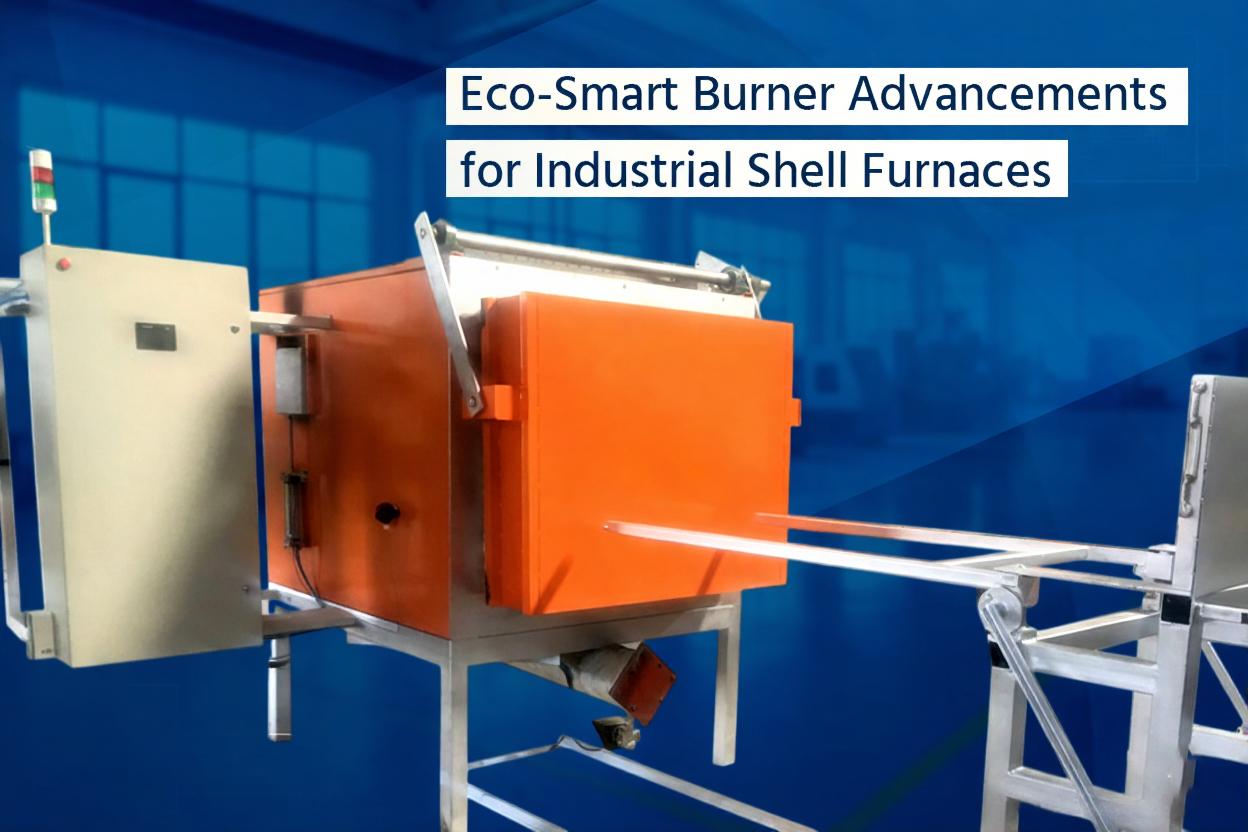
Look, if you’re staring at a pile of scrapped metal parts at the end of a long shift, you’re not alone. We talk to foundry managers every week who are pulling their hair out over gas defects and cracked molds, blaming everything from bad wax to poor slurry. But here's the honest truth: the real culprit is usually hiding in plain sight. Once you realize how a Shell Firing Furnace Improves Investment Casting Quality, you can stop pointing fingers and start pouring flawless parts.
What actually happens in the furnace?
You’re not just melting out wax. You’re transforming a fragile ceramic shell into a mold that can handle 2,500°F molten metal without flinching.
We’ve been building these machines at Laxminarayan Technologies since 1986, and we’ve seen what happens when this step gets rushed. It’s never pretty. The furnace is your final quality checkpoint before the pour.
How the right furnace fixes your defects
A well-tuned furnace directly impacts the structural integrity of your final cast. Here is what it actually does for your parts:
- It completely clears the wax: Leftover wax means carbon inclusions. A properly tuned furnace flashes the wax off so fast that it creates steam pressure, pushing the liquid out before it can soak into the ceramic.
- It bakes the shell solid: Firing sinters the ceramic layers together. If your shell is weak, it’ll collapse when the heavy metal hits it.
- It stops thermal shock cold: Pouring hot metal into a cold mold causes micro-cracks. Preheating the shell to a uniform temperature stops this dead in its tracks.
What this looks like on the shop floor
We worked with an aerospace supplier who was struggling with a 12% scrap rate on turbine blades due to shell inclusions. They thought their slurry mix was bad.
Turns out, their old furnace had severe cold spots. After upgrading to a multi-zone setup from our Kolhapur facility, they dropped their scrap rate to under 2% in the first month. That’s real money back in their pocket.
The catch: Why shells still crack (and how to fix it)
Now, here’s the catch. Even with a good furnace, you can still crack shells if you heat them too fast. The wax expands before it melts, blowing out the ceramic.
The fix? You need programmable ramp-up rates. You want the heat to melt the boundary layer of the wax first, giving the rest of the wax room to expand safely. If your current machine just blasts heat on a single timer, you’re gambling with your molds.
Ready to stop scrapping good parts?
Your furnace is the backbone of your casting quality. If you’re tired of guessing why your shells are failing, it’s time to look closely at your firing process.
Want to see how our setups run on the floor? Reach out to our team at Laxminarayan Technologies. You can visit us at our MIDC facility in Gokul-Shirgaon, Kolhapur, or just drop us a message online. Let’s get your scrap rates down.

 English
 Arabic
 French
 Spanish
 Portuguese
 Deutsch
 Turkish
 Dutch
Dutch
 Italiano
 Romaian
 Portuguese (Brazil)
 Greek
Greek