


Pediatric Dentistry Guide: How to Keep Your Child’s Teeth Healthy
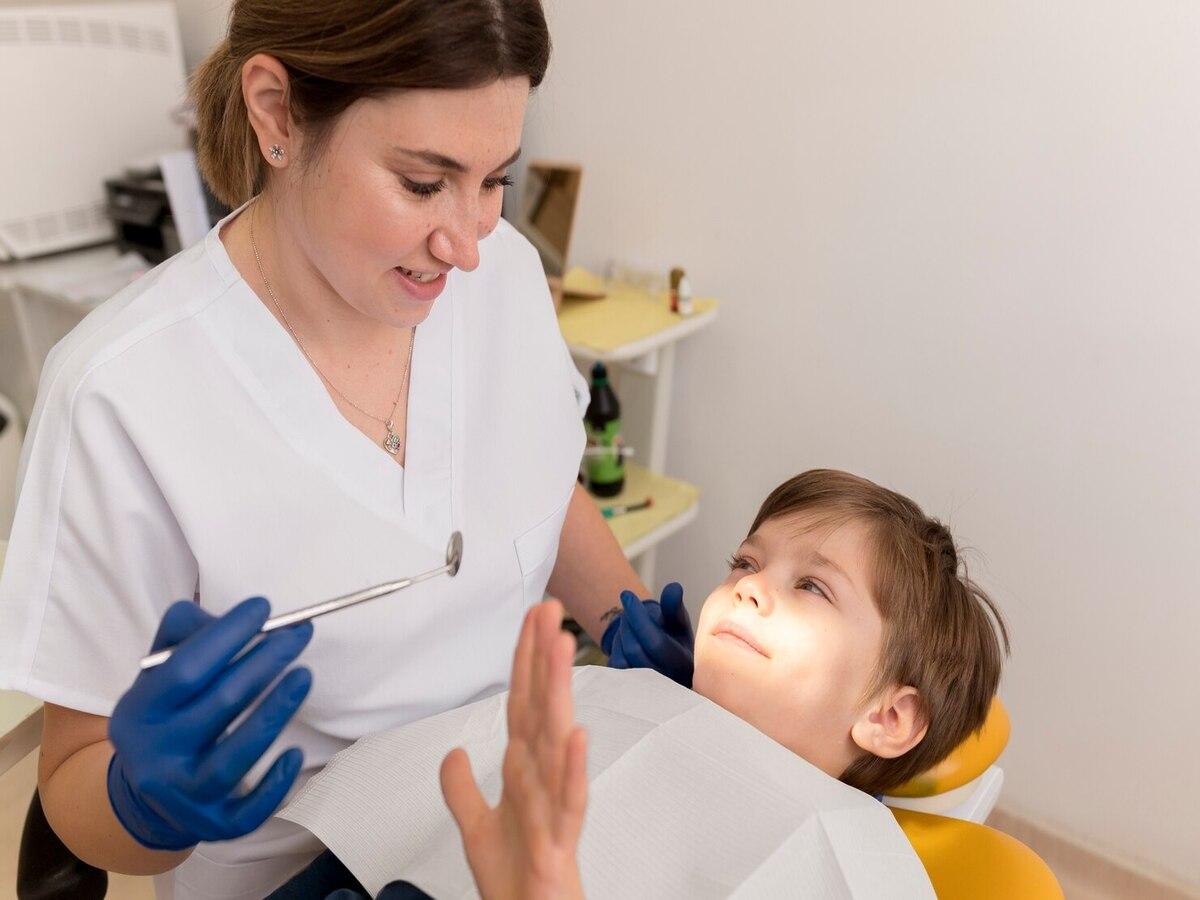
Many parents assume that dental care becomes important only when a child’s permanent teeth start coming in, but the foundation for lifelong oral health begins much earlier. From the first baby tooth to the teenage years, every stage plays a role in shaping how strong, aligned, and healthy a child’s smile will be in the future. Small habits developed early, like brushing, diet choices, and regular checkups to a trusted dentist in Plano can significantly reduce the risk of cavities, gum issues, and orthodontic concerns later in life.
In fact, early dental care is not just about preventing problems; it’s about creating comfort, confidence, and a positive relationship with oral health that lasts into adulthood. When children grow up without fear of dental visits, they are far more likely to maintain consistent care throughout their lives.
Why Early Dental Care Matters More Than You Think
Children’s teeth are more vulnerable than adult teeth because their enamel is thinner and still developing. This makes them more prone to decay if proper care is not taken. Cavities in early childhood, often called “baby bottle decay,” can progress quickly and affect speech development, chewing ability, and even the alignment of permanent teeth.
A dentist in Plano often emphasizes that prevention is far more effective than treatment. Regular dental visits from an early age allow professionals to monitor development, detect issues early, and guide parents on the right home care routines.
The Role of Baby Teeth in Long-Term Oral Health
Many parents mistakenly believe that baby teeth are not very important because they eventually fall out. However, these teeth play a critical role in guiding permanent teeth into the correct position. They also help with chewing, speech development, and maintaining space in the jaw.
If baby teeth are lost too early due to decay or injury, it can lead to crowding or misalignment of permanent teeth. This is why early care and regular monitoring are essential for preventing future complications.
Daily Oral Hygiene Habits for Children
Good oral hygiene starts at home. Parents should begin cleaning their child’s gums even before the first tooth appears, using a soft cloth. Once teeth emerge, brushing twice a day with a child-sized toothbrush and fluoride toothpaste becomes essential.
Supervision is important, especially for younger children who may not brush effectively on their own. Teaching proper brushing techniques early helps build habits that will carry into adulthood. Flossing should also be introduced once teeth begin to touch each other.
Limiting sugary snacks and drinks plays a major role in preventing cavities. Sticky and sugary foods tend to stay on teeth longer, increasing the risk of decay.
Importance of Regular Dental Checkups
Routine dental visits allow for early detection of potential problems and help children become comfortable in a dental environment. These visits typically include cleaning, fluoride treatments, and growth assessments.
A dentist in Plano can also provide personalized guidance based on the child’s age, dental development, and risk factors. These early interactions help reduce anxiety and create a positive attitude toward oral care.
Preventive Treatments That Make a Difference
Modern pediatric dentistry in Plano offers several preventive treatments designed specifically for children. Dental sealants, for example, are thin protective coatings applied to molars to prevent food particles and bacteria from settling into grooves.
Fluoride treatments strengthen enamel and make teeth more resistant to decay. These simple, painless procedures can significantly reduce the risk of cavities in children who are more prone to dental issues.
When to Seek Professional Advice
Parents should not wait for visible pain or damage before visiting a dental professional. Signs such as sensitivity, discoloration, or difficulty chewing should be addressed early. Even without symptoms, regular checkups ensure that development is on track.
Early intervention can prevent minor issues from becoming more serious problems that require extensive treatment later.
Conclusion: Setting the Foundation for a Lifetime of Healthy Smiles
Children’s oral health is a long-term investment that begins with simple daily habits and consistent professional care. By prioritizing prevention, education, and early dental visits, parents can help their children avoid many common dental problems and build strong, healthy smiles that last a lifetime.
With proper guidance and support from pediatric professionals, including trusted pediatric dentist, families can ensure that every stage of dental development is well-protected and positively supported.

 English
 Arabic
 French
 Spanish
 Portuguese
 Deutsch
 Turkish
 Dutch
Dutch
 Italiano
 Russian
 Romaian
 Greek
Greek