


From Caps to Concentrates: Liquid Detergent’s Innovation Curve
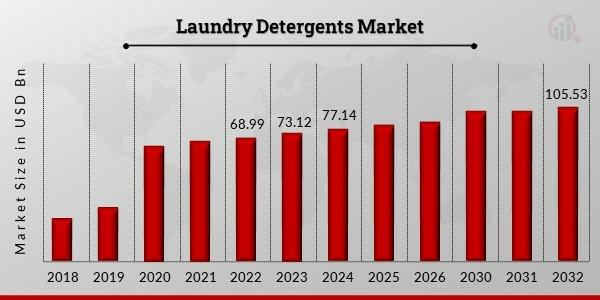
Powders remain a backbone format globally, prized for stability, cost efficiency, and robust performance in hot washes and hard-water conditions. In price-sensitive and bulk-buying markets, powdered formulations deliver strong value per wash, enable large-format distribution, and support extended shelf life without viscosity drift. For institutional and large-household users, powders’ dosing flexibility and compatibility with high-temperature sanitation cycles are enduring advantages.
Performance hinges on builder systems and anti-redeposition agents. Effective sequestrants manage mineral ions in hard water, preserving surfactant activity, while polymers keep soils suspended to prevent graying. Oxygen-based bleach systems add whitening and hygiene benefits at higher temperatures, aligning with cultural preferences for brightness in linens and uniforms.
Texture and flow characteristics are nontrivial. Free-flowing granules reduce clumping and ensure uniform dosing, especially in humid climates; anti-caking agents and optimized particle sizes help. For auto-dispensers, dust control improves user experience and machinery longevity. Scent carriers designed for powders maintain fragrance stability across warehouse conditions.
Retail economics favor powders in certain channels. Warehouse clubs and traditional trade thrive on bulk SKUs with simple price ladders, while modern trade leverages promo packs and regional scent profiles. Private labels compete aggressively in this format, often matching or exceeding national-brand builder systems while undercutting on price per wash.
Sustainability opportunities are meaningful. Powders typically ship without heavy water content, reducing transport emissions per wash, and paper-based cartons or recyclable bags can cut plastic dependency. Clear dosing charts mitigate overuse, minimizing chemical runoff and cost leakage. Educating consumers to adjust scoops for soil level and water hardness improves outcomes and reduces rewashes.
Innovation continues. Low-temperature-activated enzymes tailored for powder stability close the performance gap in cooler cycles, while color-care boosters protect modern dyes in mixed loads. Anti-foam calibration ensures compatibility with HE machines, an area where legacy powders once struggled.
In many regions, hybrid households use powders for linens and whites, reserving liquids for delicates and cold cycles—an opportunity for retailers to bundle by laundry task rather than format. Clear shelf communication around use cases helps consumers optimize baskets without confusion.
For category structure, pricing trends, and channel shifts across the Laundry Detergents Market, consult the latest reports, and for format-specific dynamics, assess the role and resilience of powdered laundry detergents.

 English
 Arabic
 French
 Spanish
 Portuguese
 Deutsch
 Dutch
Dutch
 Italiano
 Russian
 Romaian
 Portuguese (Brazil)
 Greek
Greek