


Sports Injury Rehab Towne Lake: Professional Treatment Options to Restore Strength and Athletic Performance
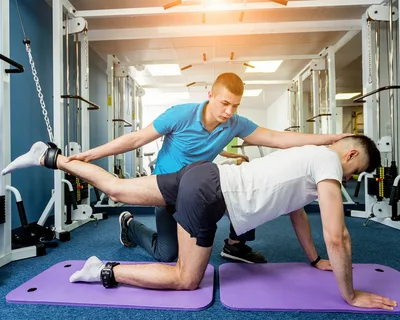
Sports injuries can affect athletes at every level, from beginners participating in recreational activities to experienced competitors involved in demanding training programs. Muscle strains, ligament injuries, joint problems, fractures, and overuse conditions can interrupt athletic performance and make routine physical activities difficult. Recovering from these injuries requires more than temporary pain relief because athletes must also rebuild strength, restore flexibility, improve coordination, and regain confidence in their physical abilities. Sports Injury Rehab Towne Lake provides a structured approach to recovery through professional assessments, personalized treatment plans, and targeted rehabilitation exercises. By addressing the physical limitations caused by an injury, rehabilitation professionals help athletes work toward returning to their preferred activities while reducing the risk of future complications.
The demand for specialized sports rehabilitation continues to grow as more individuals recognize the importance of proper injury management and athletic conditioning. Regular training, competitive sports, repetitive movements, sudden changes in direction, and inadequate recovery periods can place significant stress on muscles and joints. Even relatively minor injuries can become persistent problems when athletes return to physical activity without restoring the necessary strength and stability. Professional rehabilitation addresses these concerns through evidence-informed treatment methods that focus on both immediate recovery and long-term performance. Whether someone is dealing with a knee injury, shoulder discomfort, ankle sprain, or recurring muscle strain, an individualized rehabilitation program can provide the guidance needed to rebuild physical capabilities and support a more confident return to sports.
Understanding Sports Injury Rehabilitation and Its Importance
Sports injury rehabilitation is a specialized treatment process designed to help athletes recover from physical injuries and regain the abilities required for athletic participation. It addresses conditions affecting muscles, tendons, ligaments, bones, and joints, including sprains, strains, fractures, tendon injuries, and repetitive stress conditions. The rehabilitation process generally begins with a comprehensive evaluation of the injury, movement limitations, muscular strength, flexibility, balance, and functional abilities. These findings help physical therapists determine which areas require attention and establish appropriate recovery objectives. Unlike approaches that concentrate exclusively on reducing discomfort, sports rehabilitation considers how an injury affects overall movement and athletic performance. For example, an ankle injury may influence balance and running mechanics, while a shoulder problem may interfere with throwing, lifting, or overhead movements. Sports Injury Rehab Towne Lake focuses on addressing these limitations through targeted exercises and professional supervision. Understanding the importance of rehabilitation helps athletes recognize that returning to sports successfully requires restoring functional strength, coordination, and movement control rather than simply waiting for symptoms to disappear.
Common Sports Injuries That Require Professional Treatment
Athletes can experience different types of injuries depending on their sport, training intensity, physical conditioning, and movement patterns. Muscle strains are common in activities involving sprinting, jumping, and sudden acceleration because these movements place significant demands on muscle tissues. Ligament sprains frequently affect the ankles and knees, particularly during sports that involve quick direction changes or unexpected landings. Shoulder injuries may develop through repetitive overhead movements in activities such as swimming, tennis, and baseball. Knee conditions, including ligament injuries and overuse problems, can interfere with running, jumping, and weight-bearing activities. Tendon-related conditions may also occur when repeated training places excessive stress on specific tissues without sufficient recovery. In addition, athletes involved in contact sports may experience fractures, joint injuries, and other traumatic conditions requiring coordinated medical care. Professional rehabilitation helps address the functional limitations associated with these injuries through appropriate treatment strategies. Early assessment is particularly valuable because it allows healthcare professionals to identify the nature of the injury and determine whether further medical evaluation is necessary. Recognizing the specific demands of each sport also helps therapists develop treatment programs that prepare athletes for their individual performance requirements.
Effective Treatment Approaches Used in Sports Injury Rehab Towne Lake
Professional sports rehabilitation combines different treatment techniques to address pain, weakness, restricted movement, and reduced athletic function. Therapeutic exercise is one of the primary components because it helps rebuild strength, flexibility, endurance, and joint stability. Manual therapy may also be used when appropriate to address soft tissue restrictions and joint mobility limitations. Balance and proprioception training are especially important for athletes recovering from ankle, knee, and lower-body injuries because these exercises help improve awareness of body position and movement control. Functional training introduces movements that resemble the physical demands of specific sports, allowing athletes to gradually rebuild the abilities required for competition. Depending on the injury, treatment may also include controlled resistance exercises, mobility training, gait correction, and progressive conditioning. Therapists carefully adjust exercise intensity according to the athlete's recovery stage, medical recommendations, and tolerance for physical activity. Through Sports Injury Rehab Towne Lake, athletes can work toward restoring the physical abilities affected by an injury while developing better movement patterns. Combining appropriate rehabilitation techniques allows treatment to address immediate limitations and prepare individuals for more demanding activities as their recovery progresses.
Choosing the Right Sports Rehabilitation Specialist
Selecting an experienced rehabilitation professional is an important decision for athletes because different sports injuries require different treatment strategies. A qualified physical therapist should understand musculoskeletal conditions, athletic movement patterns, and the physical demands associated with different sports. Athletes should consider a provider's professional qualifications, clinical experience, and familiarity with injuries similar to their own. The initial assessment should include a review of the injury history, current symptoms, movement limitations, physical strength, and individual performance goals. Communication is equally important because athletes need clear explanations about their treatment plans, exercise techniques, recovery expectations, and return-to-sport requirements. A dependable specialist should also understand that athletes have different objectives depending on their activity levels and competitive responsibilities. For example, returning to recreational jogging may require different preparation than returning to competitive basketball or football. Facility accessibility, appropriate rehabilitation equipment, scheduling flexibility, and opportunities for regular progress evaluations are additional factors worth considering. Choosing a specialist who emphasizes individualized treatment and realistic recovery milestones can help athletes remain motivated while working toward a safe and effective return to physical activity.
Strength, Mobility, and Functional Training for Athletic Recovery
Restoring strength and mobility is essential because sports injuries often affect the body's ability to generate force, maintain balance, and perform coordinated movements. Rehabilitation programs typically begin with exercises that address the most significant limitations before gradually introducing more challenging physical activities. Strength training may focus on weakened muscles surrounding an injured joint, while flexibility exercises help improve restricted movement when appropriate. Core strengthening is also valuable because the muscles supporting the trunk contribute to stability during running, jumping, lifting, and rotational movements. Functional training helps athletes reconnect individual improvements with the movements required in their sport. These activities may include controlled stepping, squatting, landing mechanics, agility exercises, and progressive directional changes, depending on the injury and recovery stage. Balance exercises can further improve stability and coordination, particularly for athletes recovering from lower-body injuries. Professional supervision ensures that exercise difficulty increases according to physical readiness rather than competitive pressure or personal expectations. Developing these abilities gradually can help athletes improve movement efficiency and regain confidence while preparing their bodies for the demands of regular training.
Safety Standards and Preventing Future Sports Injuries
Safety should remain a priority throughout rehabilitation because returning to sports too early can increase the possibility of reinjury. Athletes sometimes underestimate the recovery process when pain begins to decrease, assuming that they are ready to resume their previous training intensity. However, reduced discomfort does not necessarily indicate that muscle strength, joint stability, flexibility, and coordination have fully recovered. Rehabilitation professionals evaluate these factors and use functional assessments to determine whether an athlete can safely progress toward more demanding activities. Proper exercise technique, appropriate training intensity, sufficient rest, and gradual increases in activity are important parts of this process. Injury prevention also involves identifying movement patterns that may contribute to repeated physical stress. Athletes can benefit from learning proper warm-up routines, sport-specific conditioning, landing mechanics, and recovery practices. Adequate sleep and balanced nutrition also support general physical recovery and athletic conditioning. Patients should follow professional recommendations and communicate any returning symptoms during rehabilitation. A safety-focused approach helps athletes understand their physical readiness and reduces unnecessary pressure to return to competition before they have adequately recovered.
Long-Term Benefits of Professional Sports Rehabilitation
The benefits of sports rehabilitation can extend well beyond the recovery of an individual injury. A structured treatment program helps athletes rebuild strength, improve flexibility, develop better balance, and regain control over movements that are essential for athletic participation. These improvements may contribute to more efficient physical performance and greater confidence during training. Rehabilitation also provides an opportunity to identify weaknesses or movement limitations that may have existed before the injury occurred. Addressing these factors can support better conditioning and help athletes develop more balanced movement patterns. Another important advantage is improved understanding of injury prevention. Athletes learn how to manage training intensity, recognize early signs of physical strain, and incorporate appropriate recovery activities into their routines. Consistent participation in Sports Injury Rehab Towne Lake can help individuals develop the physical foundation needed to maintain an active lifestyle after completing supervised treatment. Continuing suitable strengthening, mobility, and conditioning exercises can also help preserve rehabilitation progress. Ultimately, long-term athletic development depends on combining appropriate training with responsible recovery practices and professional guidance when physical problems arise.
Future Trends in Sports Rehabilitation and Athletic Performance
Sports rehabilitation continues to evolve as healthcare professionals explore new methods for assessing movement, improving treatment precision, and supporting athletic performance. Technology-supported movement analysis, digital exercise monitoring, and functional testing are becoming increasingly relevant in modern rehabilitation settings. These tools may help therapists evaluate movement quality, identify muscular imbalances, and track improvements throughout the recovery process. Some rehabilitation programs also incorporate sport-specific performance testing to assess whether athletes have regained the physical abilities required for their activities. Telehealth services may provide additional support for selected follow-up consultations and exercise education, although direct assessment and supervised treatment remain important when required. Another developing area is the growing emphasis on individualized injury prevention and performance conditioning. Rather than focusing exclusively on treating existing injuries, modern rehabilitation increasingly recognizes the importance of identifying movement limitations before they interfere with athletic participation. Combining clinical expertise, appropriate technology, functional training, and patient education can help create more comprehensive rehabilitation experiences. These developments highlight the importance of selecting professionals who understand both injury recovery and the physical demands of athletic performance.
Conclusion
Recovering from a sports injury requires a structured approach that restores strength, mobility, coordination, and confidence while preparing athletes for the demands of physical activity. Professional rehabilitation provides individualized treatment strategies through therapeutic exercises, functional training, movement education, and regular progress assessments. Whether managing a muscle strain, recovering from a ligament injury, or rebuilding strength after surgery, athletes benefit from treatment that addresses their specific physical limitations and performance goals. Sports Injury Rehab Towne Lake offers an important pathway for individuals seeking professional guidance throughout their recovery journey. Choosing an experienced rehabilitation specialist, following an appropriate treatment plan, and progressing gradually can support safer recovery and improved athletic function. Ultimately, successful sports rehabilitation is not simply about returning to competition; it is about developing stronger movement patterns, improving physical resilience, and building a foundation for long-term athletic performance.

 English
 Arabic
 Spanish
 Portuguese
 Deutsch
 Turkish
 Dutch
 Italiano
 Russian
 Romaian
 Portuguese (Brazil)
 Greek