


Vacuum Sealers for Reliable and Cost-Effective Packaging
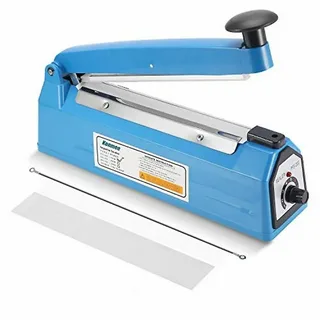
Packaging is an important part of protecting products, maintaining quality and creating a positive customer experience. Across the UK, businesses ranging from independent food retailers to large manufacturers need dependable packaging methods to keep products secure during storage and transport. Vacuum Sealers provide a practical way to remove air from compatible packaging before sealing it, helping businesses protect suitable products and organise their packaging operations more effectively.
For companies looking to improve packaging standards without putting unnecessary pressure on their budgets, Vacuum Sealers can offer a worthwhile solution. By reducing the air inside a package, these machines can help limit oxidation and protect certain products from environmental exposure. When the equipment, packaging materials and storage conditions are appropriate, businesses may also reduce avoidable product losses and improve inventory management. Choosing the right machine is essential for achieving these benefits while maintaining reliable performance and controlling operating costs.
Understanding How Vacuum Sealers Work
The basic principle behind Vacuum Sealers is simple. A product is placed inside a compatible bag or package, air is extracted using a vacuum mechanism, and the packaging is sealed to maintain the intended conditions. Different machines use different methods to remove air, depending on their design and the type of product being packaged.
Some machines use external suction to remove air from specially designed bags, while chamber-based systems remove air from the chamber containing the product and packaging. The right method depends on the product's characteristics, packaging material and required production volume. Businesses should understand these differences before investing in Vacuum Sealers, as choosing unsuitable equipment can lead to inconsistent seals, wasted materials and unnecessary expenses.
Food Vacuum Sealing Machine for Better Product Preservation
A Food vacuum sealing machine is commonly used by food businesses to package suitable products such as meat, fish, cheese, selected vegetables and prepared ingredients. Removing air can help slow oxidation and preserve certain quality characteristics when the food is stored under appropriate conditions.
For UK restaurants, caterers and food retailers, consistent packaging can support better stock management and make it easier to organise ingredients. However, vacuum sealing does not sterilise food or eliminate harmful microorganisms. Chilled vacuum-packed foods may still require strict temperature controls and validated shelf-life procedures. Businesses using Vacuum Sealers should follow applicable food safety requirements and ensure that packaging practices match the specific product being handled.
Commercial Vacuum Packaging Sealer for Business Operations
A Commercial vacuum packaging sealer is designed to support businesses that package products regularly and require dependable performance throughout the working day. Depending on the model, these machines may offer larger sealing areas, adjustable settings and greater processing capacity than basic domestic equipment.
Commercial kitchens, food producers and retailers can benefit from equipment that fits their daily workload and packaging requirements. A suitable machine can help standardise packaging procedures and reduce the time spent on repetitive tasks. However, purchasing the most expensive model is not always the smartest move. Businesses should compare capacity, maintenance requirements, energy use and warranty coverage when choosing Vacuum Sealers for commercial applications.
Household Vacuum Food Saver System and Small Business Needs
A Household vacuum food saver system is generally designed for domestic food storage and smaller packaging volumes. Some compact systems may appear suitable for very small businesses, but buyers should check whether the equipment is intended for regular commercial use before making a decision.
Independent retailers, home-based food businesses and small-scale producers should assess expected daily usage, supported bag types and cleaning requirements. A machine that works well for occasional household use may not deliver the durability or output needed for commercial operations. Comparing these factors helps buyers decide whether compact Vacuum Sealers are appropriate or whether a dedicated commercial model would provide better long-term value.
Air-Tight Vacuum Bag Sealing Equipment for Reliable Results
Air-tight vacuum bag sealing equipment is designed to remove air from compatible packaging and create a secure closure. The quality of the seal is important because leaks can allow air to re-enter the package, reducing the intended protective benefits.
Businesses should choose bags that match the machine's requirements and the product being packaged. Factors such as bag thickness, barrier properties and material compatibility can affect the sealing process. Regular inspections can help identify weak seals, damaged packaging and other problems before products move into storage or distribution.
When selecting Vacuum Sealers, businesses should also consider how easily the equipment can be cleaned, maintained and operated. Reliable performance depends not only on the machine itself but also on suitable packaging materials, correct settings and consistent working procedures.
Industrial Vacuum Chamber Sealer for High-Volume Packaging
An Industrial vacuum chamber sealer is designed for demanding environments where higher production volumes and repeatable results are important. In a chamber system, products are placed inside a chamber before air is removed and the packaging is sealed. This method can be suitable for many products and packaging formats, depending on the machine's specifications.
Manufacturers, food processors and large catering operations may benefit from chamber equipment when processing substantial quantities of products. Businesses should evaluate chamber dimensions, sealing bar length, cycle time and maintenance requirements before purchasing. The right Vacuum Sealers should match actual production needs without creating unnecessary capital costs or operational complexity.
Key Benefits of Vacuum Sealers for UK Businesses
One of the main advantages of Vacuum Sealers is their ability to support product quality during suitable storage and distribution conditions. Reducing exposure to air can help slow oxidation in certain products and preserve some quality characteristics. The results depend on the product, packaging material and handling procedures, so businesses should avoid assuming that every item will benefit equally.
Another advantage is improved inventory management. Clearly packaged and labelled products can be easier to organise, identify and rotate. For restaurants and food businesses, this may help streamline stock handling and support more consistent preparation routines. In manufacturing and retail, appropriate vacuum packaging can also help protect certain products during storage and transport.
Cost control is another important consideration. Suitable Vacuum Sealers may help businesses reduce some product losses and packaging-related waste. However, savings depend on the initial equipment investment, packaging costs, maintenance, energy consumption and the value of the products being protected. Reviewing these factors provides a more realistic picture of long-term value than comparing purchase prices alone.
How Vacuum Sealers Can Help Reduce Packaging Waste
Packaging waste can increase operating expenses and complicate inventory management. Businesses can make better use of Vacuum Sealers by choosing appropriate bag sizes, selecting compatible materials and training employees to follow the correct sealing procedures. These measures can help reduce failed seals, damaged packaging and repeated work.
Routine maintenance is equally important. Worn sealing components, unsuitable settings or poorly maintained equipment can affect performance and increase material waste. Regular inspections and timely replacement of components can help maintain consistent results and prevent avoidable downtime.
Businesses should also track packaging defects, material consumption and product losses to identify opportunities for improvement. By measuring these factors, companies can determine whether Vacuum Sealers are delivering practical benefits and where further improvements may be possible. This evidence-based approach supports better purchasing decisions and more effective cost management.
How to Choose the Right Vacuum Sealers for Your Business
Choosing suitable Vacuum Sealers starts with understanding the products being packaged and the volume processed each day. A small business handling occasional orders may need a compact machine, while a busy food producer or manufacturer may require a commercial or industrial system with higher capacity.
Material compatibility should be a priority. Not every machine works with every bag or film, so businesses should confirm the supported materials and test their intended packaging wherever possible. Other considerations include cycle time, sealing width, ease of cleaning, operator safety and the availability of replacement parts.
Supplier support also deserves attention. Clear specifications, appropriate warranty terms and accessible technical assistance can help reduce uncertainty after purchase. Comparing the total cost of ownership helps businesses choose Vacuum Sealers that suit their requirements without paying for features they do not need.
Why Supplier Reliability Matters When Buying Vacuum Sealers
Selecting Vacuum Sealers from a dependable supplier involves more than finding the lowest advertised price. Businesses should look for accurate product information, clear technical specifications and guidance on selecting suitable equipment. Understanding warranty coverage, maintenance requirements and the availability of replacement components can also help prevent unexpected costs.
The brand vanderstahl can be included in a broader search for packaging and industrial solutions. Businesses researching the brand should review its available product information, equipment specifications and support arrangements to determine whether a particular solution meets their requirements. Product capabilities and commercial claims should be verified before a purchasing decision is made.
Before investing, buyers should ask whether the machine supports their existing packaging materials, whether replacement components are available and what routine servicing is required. For food applications, it is also important to confirm that the machine and packaging materials are suitable for the intended use. Taking these steps helps businesses choose Vacuum Sealers with greater confidence and avoid preventable expenses.
Frequently Asked Questions About Vacuum Sealers
What Are Vacuum Sealers Used For?
Vacuum Sealers remove air from compatible packaging before sealing it. They are used for suitable food products, industrial components and other goods that benefit from reduced air exposure during storage or transport.
Do Vacuum Sealers Keep Food Fresh for Longer?
Vacuum Sealers can help preserve certain quality characteristics and may extend the usable storage period of some foods when combined with suitable storage temperatures and safe handling. Results vary by product, and vacuum sealing does not eliminate food safety risks.
Are Vacuum Sealers Suitable for Small Businesses?
Yes, some compact Vacuum Sealers can suit small retailers, independent food businesses and home-based producers. Buyers should confirm that the equipment can handle the expected workload and meets applicable commercial and hygiene requirements.
How Can Businesses Choose Cost-Effective Vacuum Sealers?
Businesses should compare capacity, material compatibility, maintenance requirements, warranty coverage and expected operating costs. The most cost-effective Vacuum Sealers are those that meet actual business needs reliably without unnecessary features or excess capacity.
Conclusion: Investing in Reliable Vacuum Sealers
Reliable packaging can help businesses protect suitable products, maintain consistent quality and manage everyday operations more effectively. Vacuum Sealers offer practical benefits when the correct equipment, compatible packaging materials and appropriate storage procedures are used together.
For UK businesses, the best approach is to evaluate production volumes, product requirements, safety considerations and long-term operating costs before investing. Comparing specifications and supplier support can help identify equipment that delivers genuine value without unnecessary expenditure. With careful selection and proper operating procedures, Vacuum Sealers can become a useful part of a reliable, efficient and cost-conscious packaging strategy.

 English
 Arabic
 French
 Spanish
 Portuguese
 Deutsch
 Dutch
 Italiano
 Russian
 Romaian
 Portuguese (Brazil)
 Greek