


When Should Children Take Deworming Medication?
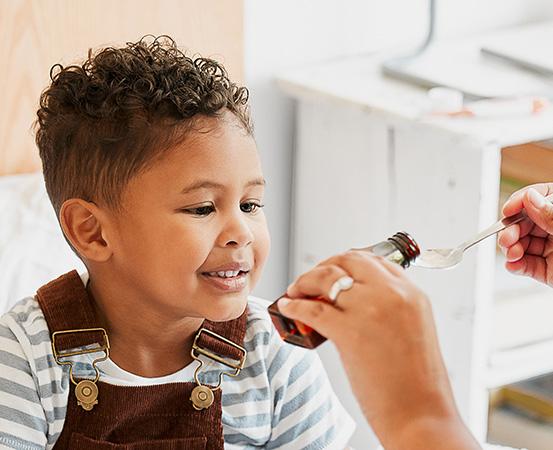
Deworming medication may be recommended for children who have intestinal worm infections or who live in areas where certain worm infections are common. Intestinal worms can affect a child’s nutrition, appetite, growth, sleep, and general wellbeing. However, the right time to give a deworming medicine depends on the child’s age, symptoms, type of suspected infection, and local medical recommendations. Parents should speak with a pediatrician or pharmacist before giving medicine, particularly to younger children.
When Is Deworming Needed?
Children may need deworming treatment when a healthcare professional identifies or suspects an intestinal worm infection. Common symptoms can include abdominal discomfort, diarrhea, nausea, reduced appetite, unexplained weight loss, itching around the anus, or visible worms in the stool. Some children may have an infection without obvious symptoms.
In areas where intestinal worm infections are widespread, healthcare programs may recommend periodic deworming for children in specific age groups. These programs are generally based on local public-health guidelines and the prevalence of infections in the community. Parents should follow recommendations from their child’s healthcare provider rather than giving deworming medicine routinely without guidance.
What Age Can Children Take Mebendazole?
Mebendazole is an antiparasitic medicine used to treat several common intestinal worm infections, including certain infections caused by pinworms, roundworms, whipworms, and hookworms. The appropriate age and dose depend on the child and the specific infection being treated.
For children, medication should be given according to the product instructions or advice from a qualified healthcare professional. Some formulations may have specific age restrictions. Parents should never assume that an adult dose is appropriate for a child.
If you are researching Mebendazole 100Mg price, remember that the cost can vary depending on the manufacturer, country, pharmacy, formulation, and pack size. Price should not be the only consideration when choosing a medicine; authenticity, proper labeling, and appropriate medical guidance are also important.
What Is the Best Time of Day to Give Deworming Medicine?
For many deworming medicines, the exact time of day is not the most important factor. The medicine should be administered according to the instructions provided with the specific product or by the healthcare professional. Parents should carefully follow the recommended dose and treatment duration.
If a child has difficulty swallowing tablets, ask a healthcare professional whether the particular formulation can be chewed, crushed, or replaced with a suitable liquid formulation. Do not alter a medicine without checking first.
Should Children Be Dewormed Regularly?
Not every child needs routine deworming at the same frequency. In regions with a high prevalence of soil-transmitted worm infections, public-health authorities may recommend periodic treatment for children in certain age groups. These recommendations can differ between countries and communities.
Regular hygiene remains important even when a child receives treatment. Children should wash their hands after using the toilet and before eating, keep fingernails clean and short, wash fruits and vegetables properly, and wear footwear outdoors where soil contamination may be a concern. These measures can reduce exposure and reinfection.
What Should Parents Do Before Giving Deworming Medicine?
Before giving a deworming medicine, parents should check the child’s age, weight when relevant, symptoms, existing medicines, allergies, and the instructions for the specific product. If the child is very young, has persistent symptoms, or has an uncertain diagnosis, professional advice is especially important.
Parents looking for information about where to Buy Mebendazole Online should use only legitimate, licensed pharmacies where permitted and should verify that the product is genuine, properly labeled, and appropriate for the child. Avoid websites that do not provide reliable product information or that encourage using prescription or pediatric medicines without professional guidance.
When Should You Contact a Doctor?
Medical advice is particularly important if a child has severe or persistent abdominal pain, repeated vomiting, blood in the stool, significant weight loss, dehydration, persistent diarrhea, or symptoms that do not improve after treatment. A healthcare professional can determine whether worms are actually responsible and recommend appropriate testing or treatment.
Final Thoughts
Deworming can be an effective way to treat certain intestinal worm infections in children, but the medicine, dose, and timing should be appropriate for the child and the suspected infection. Routine treatment should follow local public-health recommendations or professional advice. Along with appropriate medication, good hygiene, safe food and water practices, and regular handwashing can help reduce the risk of reinfection.

 English
 Arabic
 French
 Spanish
 Portuguese
 Turkish
 Dutch
Dutch
 Italiano
 Russian
 Romaian
 Portuguese (Brazil)
 Greek
Greek