


Why Does Angle Grinder Selection Matter for Metal Work at jinglitools
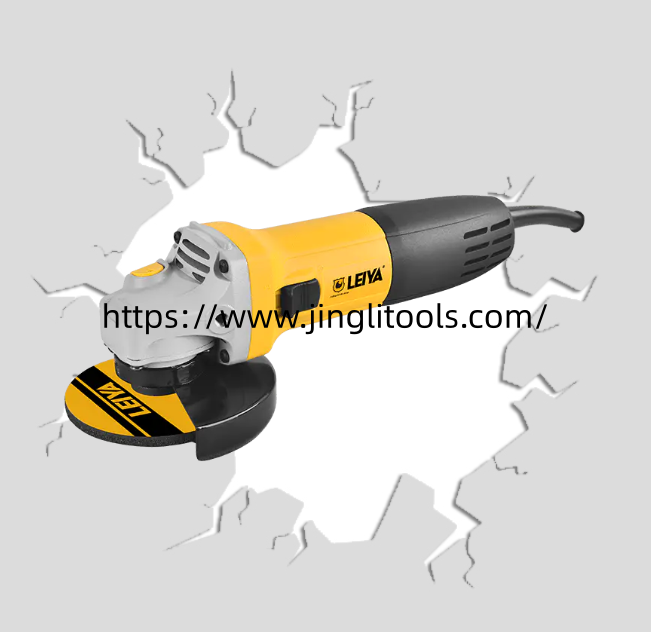
Angle Grinder selection for metal work should begin with the actual application rather than appearance or a single specification. Cutting steel, removing welds, preparing surfaces, trimming edges, and removing rust can require different discs, speeds, capacities, and handling characteristics. Buyers should consider disc diameter, rated speed, motor design, power source, operating position, accessories, safety features, and expected workload before choosing a suitable configuration.
Start With the Type of Metal Work
The first question is what you expect to do with the equipment. Cutting thin sheet metal is different from grinding weld beads or preparing thick steel components. Rust removal and surface finishing also require different accessories.
Create a simple list of regular tasks before comparing models. Include the material type, material thickness, expected working frequency, cutting depth, grinding requirements, and working environment. This information can help narrow the specifications that actually matter.
A workshop handling occasional repairs may prefer a compact configuration that is easy to maneuver. A fabrication environment with repeated cutting and grinding may require a configuration designed around longer operating periods and heavier workloads.
Check Disc Diameter
Disc diameter affects cutting depth, handling, and the type of work that can be performed. Common sizes include 115 mm and 125 mm for general workshop applications, while larger diameters can provide greater cutting depth but may also increase weight and handling demands.
The correct size should correspond with the material and task. A compact model can be useful for detailed work and confined areas, while a larger configuration may be suitable when deeper cuts are required.
Buyers should also make sure the selected disc matches the equipment specifications and intended application.
Pay Attention to RPM
No-load speed is another specification that deserves careful attention. Every disc has a marked maximum operating speed, and the equipment should not exceed the applicable limit.
When comparing products, check both the equipment speed and the rated speed of the discs you plan to use. This is especially important when a workshop uses different disc sizes or switches between cutting, grinding, and finishing accessories.
Speed should be considered together with the material and task rather than treated as an isolated number.
Choose the Right Disc
The disc is one of the most important parts of the working setup. Cutting discs are designed for cutting, while grinding discs are intended for material removal and surface preparation. Flap discs can be used for grinding and finishing applications.
Using an accessory according to its intended purpose is important. A thin cutting disc should not be used for side grinding because it is designed for a different type of load. Buyers should also check disc diameter, bore size, thickness, material compatibility, and maximum rated speed before installation.
For metal work, the material itself also matters. Steel, stainless steel, aluminum, and other metals may require different abrasive solutions.
Compare Corded and Cordless Options
The choice between corded and cordless equipment depends largely on the work environment. Corded models can be suitable for fixed workshop stations where continuous access to an electrical supply is available. Cordless models provide greater mobility and can be useful where movement between work areas is frequent.
For cordless configurations, battery capacity should be considered alongside operating time, total weight, charging arrangements, and expected workload. Workshops with extended work periods may also need to plan spare batteries and charging locations.
There is no single configuration suitable for every workplace. The better approach is to compare the equipment with actual working conditions.
Consider Motor Design
Motor technology can affect maintenance, efficiency, heat generation, and battery usage. Brushless designs are often considered for cordless applications because they eliminate mechanical brushes and can reduce friction-related losses.
Buyers should also examine overload protection, restart protection, braking functions, and other electronic controls where available. These features can influence how the equipment responds during demanding applications.
Instead of selecting equipment based on motor terminology alone, compare the complete specification with the intended workload.
Do Not Overlook Handling and Safety
Metal fabrication can involve sparks, debris, vibration, and changing working positions. Weight, grip shape, side-handle position, guard adjustment, switch design, and overall balance can influence how easily the equipment can be controlled.
A suitable guard should be compatible with the intended accessory and application. Buyers should also review manufacturer instructions concerning disc installation, protective equipment, operating position, and inspection procedures.
Disc condition deserves regular attention. Damaged, incorrectly installed, or unsuitable discs should not be used. The selected disc should always be compatible with the equipment and operated within its marked speed limit.
Think About Maintenance and Accessories
Before purchasing, check the availability of replacement discs, guards, handles, batteries, chargers, and other relevant components. A workshop may need several accessory types for different metalworking tasks, so compatibility can influence long-term convenience.
Maintenance requirements should also be reviewed. Cleaning, inspection, ventilation, storage, and component replacement should be included in the workshop's routine.
A clear maintenance schedule can help identify worn accessories, damaged components, or changes in operating behavior before they interfere with planned work.
Match the Product With Your Workshop
A practical purchasing decision should bring all these factors together. Disc diameter, RPM, motor design, power source, material type, accessories, workload, handling, and maintenance requirements should be considered as a complete set.
For manufacturers, distributors, fabricators, and workshop owners, jinglitools provides equipment options that can be evaluated according to different metalworking requirements. Reviewing specifications against actual applications can help buyers make a more informed purchasing decision.
If you are preparing a workshop, replacing existing equipment, or expanding your metalworking setup, jinglitools provides product information for different application needs. For available products and further details, visit https://www.jinglitools.com/

 English
 Arabic
 French
 Spanish
 Portuguese
 Deutsch
 Turkish
 Dutch
Dutch
 Italiano
 Romaian
 Portuguese (Brazil)
 Greek
Greek