


Fibroid Treatment in Dubai: Diagnosis, Methods and Recovery
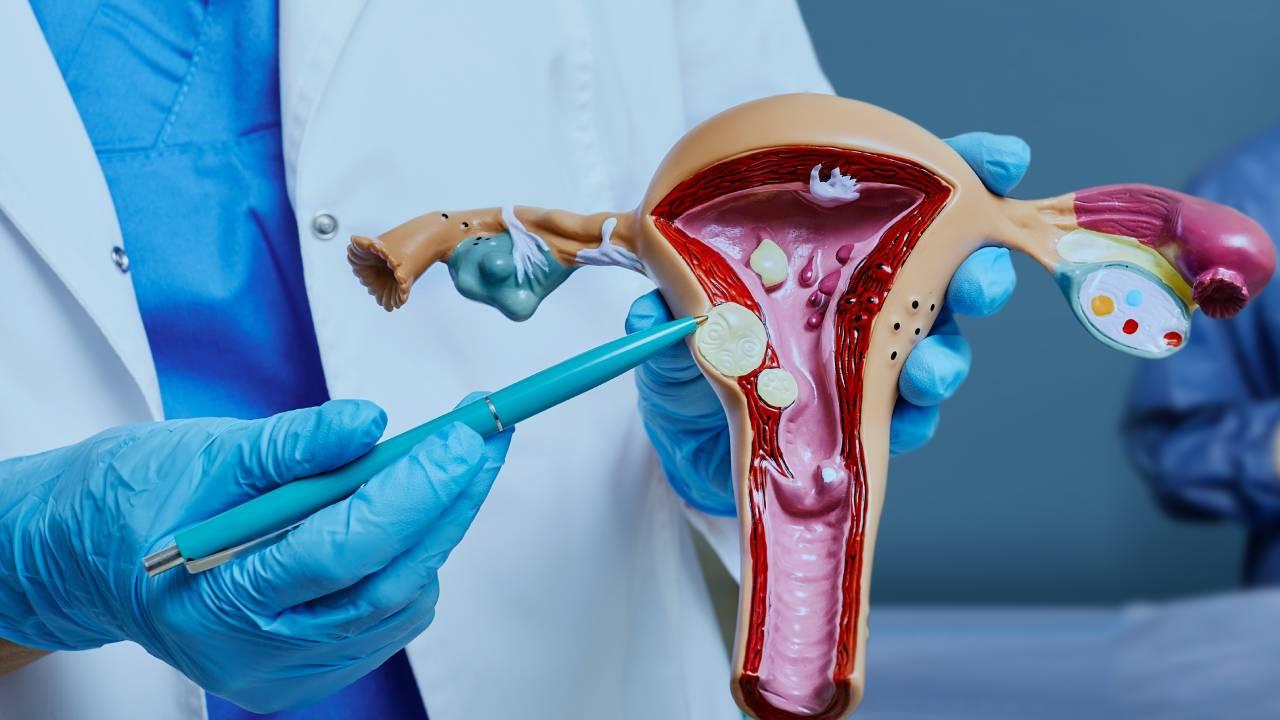
Women’s health problems can affect daily comfort, emotional wellbeing, and overall quality of life. One common condition that affects many women is uterine fibroids. These are non-cancerous growths that develop in or around the uterus and can vary in size and number.
Today, many women seek fibroid treatment in dubai because of the advanced healthcare facilities, modern diagnostic methods, and availability of different treatment options. Early diagnosis and proper medical guidance can help reduce symptoms and improve overall health.
Fibroids may not always cause symptoms, but in some cases, they can lead to pain, heavy bleeding, fertility concerns, and pressure in the lower abdomen. Understanding the condition and knowing when to seek treatment is very important.
What Are Uterine Fibroids?
Uterine fibroids are growths made of muscle and fibrous tissue that develop in the uterus. They are also called leiomyomas or myomas. Fibroids are usually non-cancerous and can appear in different parts of the uterus.
Some women may have only one fibroid, while others may have multiple growths of different sizes. Fibroids can grow slowly or quickly depending on hormonal changes and other body factors.
Fibroids are very common among women during their reproductive years. In many cases, they do not create serious health problems, but some women may experience uncomfortable symptoms that require medical care.
Types of Fibroids
Fibroids are classified based on their location in the uterus.
Intramural Fibroids
These grow inside the muscular wall of the uterus. They are one of the most common types and may cause heavy menstrual bleeding and pelvic discomfort.
Subserosal Fibroids
These develop on the outer surface of the uterus. Large subserosal fibroids can put pressure on nearby organs such as the bladder or bowel.
Submucosal Fibroids
These grow beneath the inner lining of the uterus and may lead to heavy bleeding and fertility problems.
Pedunculated Fibroids
These are attached to the uterus by a thin stalk. They may develop inside or outside the uterus.
Causes of Fibroids
The exact cause of fibroids is not fully known, but several factors may increase the risk of developing them.
Hormonal Changes
Estrogen and progesterone hormones may support fibroid growth. Fibroids often grow during reproductive years and may shrink after menopause.
Family History
Women with a family history of fibroids may have a higher chance of developing them.
Age
Fibroids are more common in women between the ages of 30 and 50.
Lifestyle Factors
Obesity, stress, lack of exercise, and unhealthy eating habits may increase the risk.
Pregnancy
Hormonal changes during pregnancy may sometimes affect fibroid growth.
Common Symptoms of Fibroids
Some women may not experience symptoms, especially if the fibroids are small. However, larger fibroids or multiple growths can create noticeable problems.
Heavy Menstrual Bleeding
Many women experience prolonged or heavy periods that may lead to fatigue or anemia.
Pelvic Pain or Pressure
Fibroids can create pressure in the lower abdomen or pelvis.
Frequent Urination
Large fibroids may press against the bladder, causing a frequent urge to urinate.
Constipation
Fibroids pressing against the bowel can affect normal bowel movements.
Back or Leg Pain
Pressure on nearby nerves may lead to discomfort in the lower back or legs.
Pain During Intercourse
Some women experience pain or discomfort during physical intimacy.
Fertility and Pregnancy Problems
In some cases, fibroids may affect fertility or cause complications during pregnancy.
When to Seek Medical Help
It is important to consult a healthcare professional if symptoms become severe or begin affecting daily life. Medical attention may be needed if you experience:
- Extremely heavy bleeding
- Severe pelvic pain
- Irregular menstrual cycles
- Difficulty becoming pregnant
- Rapid enlargement of the abdomen
- Frequent urination affecting sleep or daily activities
Early diagnosis can help prevent complications and support better treatment planning.
Diagnosis of Fibroids
Modern clinics and hospitals offer advanced methods for identifying fibroids accurately. Diagnosis usually begins with a medical consultation and physical examination.
Medical History and Symptoms Review
The doctor may ask questions about menstrual cycles, pain levels, bleeding patterns, and family history.
Pelvic Examination
A pelvic examination helps identify changes in the size or shape of the uterus.
Ultrasound
Ultrasound is one of the most common imaging methods used to detect fibroids. It helps determine the size, number, and location of the growths.
MRI Scan
MRI scans provide detailed images and may be recommended for larger or complex fibroids.
Hysteroscopy
A small camera is inserted through the cervix to examine the inside of the uterus.
Blood Tests
Blood tests may be done to check for anemia caused by heavy menstrual bleeding.
Importance of Early Diagnosis
Early diagnosis plays a major role in managing fibroids successfully. Some women ignore symptoms for years because they believe heavy periods or pelvic pain are normal. Delayed treatment can sometimes lead to larger fibroids and more complicated procedures.
Detecting fibroids early may help:
- Reduce discomfort sooner
- Prevent excessive bleeding
- Protect fertility
- Avoid complications
- Improve treatment outcomes
Fibroid Treatment Options
There are different treatment methods available depending on the size of the fibroids, symptoms, age, and future pregnancy plans.
Watchful Waiting
Small fibroids that do not cause symptoms may only require regular monitoring. Some fibroids grow slowly and may not need immediate treatment.
Medications
Medications may help manage symptoms such as pain and heavy bleeding.
Hormonal Medicines
These medicines may help regulate hormones and reduce bleeding.
Pain Relievers
Pain medications may help control pelvic discomfort and menstrual cramps.
Iron Supplements
Iron supplements may be recommended for women experiencing anemia from heavy bleeding.
Medication may not remove fibroids completely, but it can improve symptoms temporarily.
Minimally Invasive Fibroid Treatments
Many women prefer minimally invasive procedures because they often involve smaller incisions, less pain, and faster recovery.
Uterine Fibroid Embolization (UFE)
This procedure blocks the blood supply to fibroids, causing them to shrink over time. It is performed using a catheter inserted through a blood vessel.
Benefits may include:
- Shorter hospital stay
- Faster recovery
- Reduced bleeding
- Smaller incisions
MRI-Guided Focused Ultrasound
This non-surgical treatment uses ultrasound waves to destroy fibroid tissue while preserving surrounding structures.
Hysteroscopic Myomectomy
This procedure removes fibroids located inside the uterus using instruments inserted through the cervix.
Surgical Treatment Methods
Surgery may be recommended for large fibroids or severe symptoms.
Myomectomy
Myomectomy removes fibroids while keeping the uterus intact. It may be suitable for women who wish to become pregnant in the future.
Different types include:
- Abdominal myomectomy
- Laparoscopic myomectomy
- Hysteroscopic myomectomy
Hysterectomy
A hysterectomy removes the uterus completely and permanently prevents fibroids from returning. This option is usually considered for women with severe symptoms who do not plan future pregnancies.
Recovery After Fibroid Treatment
Recovery depends on the type of treatment performed. Some women recover within a few days, while others may need several weeks.
Recovery After Minimally Invasive Procedures
Women undergoing non-surgical or minimally invasive treatment may return to normal activities more quickly.
Common recovery experiences include:
- Mild cramping
- Fatigue
- Light bleeding
- Temporary discomfort
Recovery After Surgery
Recovery from surgical procedures may take longer.
Patients may need:
- Rest for several weeks
- Limited physical activity
- Pain management support
- Follow-up appointments
Following medical instructions carefully can help improve healing and reduce complications.
Lifestyle Tips During Recovery
Healthy lifestyle habits may support faster recovery and improve overall wellbeing.
Eat Nutritious Foods
Iron-rich foods, fruits, vegetables, and protein can support healing and energy levels.
Stay Hydrated
Drinking enough water helps the body recover more efficiently.
Avoid Heavy Activities
Heavy lifting and intense exercise should be avoided until approved by the doctor.
Get Enough Rest
Proper sleep and rest are important for healing.
Attend Follow-Up Visits
Regular follow-up appointments help monitor recovery progress.
Can Fibroids Return After Treatment?
In some cases, fibroids may return after treatment, especially if the uterus is preserved. The possibility of recurrence depends on factors such as age, hormonal levels, and the number of fibroids removed.
Women should continue regular gynecological checkups to monitor reproductive health.
Fertility and Pregnancy After Fibroid Treatment
Many women worry about pregnancy after fibroid treatment. The effect on fertility depends on the size and location of the fibroids as well as the treatment method used.
Some treatments are designed to preserve the uterus and improve fertility outcomes. Women planning future pregnancies should discuss their goals clearly during medical consultations.
Emotional Impact of Fibroids
Fibroids can affect emotional wellbeing as well as physical health. Chronic pain, heavy bleeding, fertility concerns, and body discomfort may create stress and anxiety.
Emotional support from family, friends, and healthcare providers can make a positive difference during treatment and recovery.
Choosing the Right Treatment Plan
Every woman’s condition is different. The best treatment plan depends on:
- Age
- Severity of symptoms
- Fibroid size and location
- Future pregnancy plans
- Overall health
A personalized approach helps ensure better outcomes and patient comfort.
Why Women Seek Fibroid Care in Dubai
Dubai has become a popular healthcare destination because of its modern medical technology and experienced healthcare professionals. Many women seek care for fibroids due to:
- Advanced diagnostic equipment
- Availability of minimally invasive treatments
- Multidisciplinary medical support
- International healthcare standards
- Personalized treatment planning
These advantages help improve patient experience and treatment quality.
Preventive and Long-Term Health Care
Although fibroids cannot always be prevented, maintaining a healthy lifestyle may help lower certain risks.
Helpful habits include:
- Maintaining a healthy weight
- Exercising regularly
- Eating balanced meals
- Managing stress
- Attending regular gynecological checkups
Long-term health monitoring is important, especially for women with a family history of fibroids.
Conclusion
Fibroids are a common condition that can affect women in different ways. Some women may have mild symptoms, while others experience heavy bleeding, pain, or fertility concerns that impact daily life. Fortunately, modern healthcare offers many effective diagnostic and treatment options.
Choosing the right approach for fibroid treatment depends on the patient’s symptoms, health condition, and future goals. Early diagnosis, proper medical guidance, and suitable treatment can help improve comfort, reproductive health, and overall wellbeing.
For women seeking professional guidance and personalized care, consulting an experienced specialist such as Dr. Neha Lalla can help provide a clearer understanding of the available treatment options and recovery process.

 Arabic
 French
 Spanish
 Portuguese
 Deutsch
 Turkish
 Dutch
Dutch
 Italiano
 Russian
 Romaian
 Portuguese (Brazil)
 Greek
Greek