


What Happens During Professional Dental Cleanings?
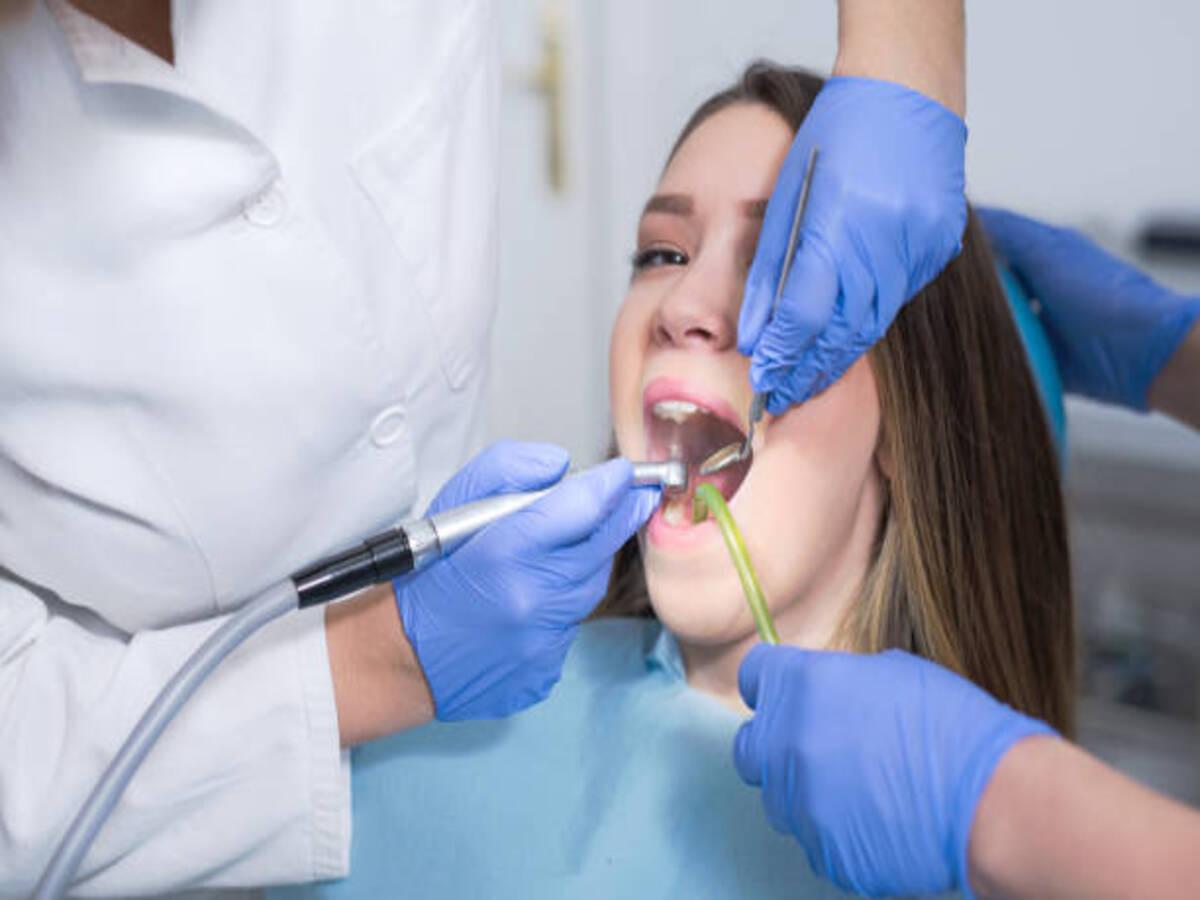
Many people think dental cleanings are only about polishing teeth and leaving with a fresher smile. In reality, these routine visits play a major role in preventing cavities, gum disease, bad breath, and even more complex dental problems that can become costly over time. What feels like a quick appointment is often one of the smartest investments a person can make in long-term oral health.
Even patients who brush and floss consistently at home still benefit from professional cleanings because certain buildup cannot be fully removed with household tools alone. Regular visits also give dental professionals a chance to detect concerns early. An experienced dentist in Florence often reminds patients that prevention is easier, more comfortable, and more affordable than treatment after problems develop.
Why Professional Cleanings Matter
Plaque is a sticky film of bacteria that forms on teeth every day. If it is not removed thoroughly, it can harden into tartar, which cannot be brushed away at home. Tartar creates rough surfaces where more bacteria can collect, increasing the risk of cavities and gum inflammation.
Professional cleanings help remove plaque and tartar from areas that are difficult to reach, especially around the gumline and between teeth. They also allow the dental team to monitor changes in oral health before symptoms become noticeable.
What Usually Happens at the Appointment?
Most routine cleanings follow a familiar and efficient process designed to keep patients comfortable while thoroughly cleaning the mouth.
Initial Examination
A hygienist or dentist begins by checking the teeth and gums. They may look for redness, swelling, plaque accumulation, worn enamel, or signs of decay. This quick review helps determine whether a standard cleaning is appropriate or if additional treatment is needed.
Plaque and Tartar Removal
Using specialized instruments, hardened deposits are carefully removed from the tooth surfaces and around the gumline. This step is one of the most important parts of the visit because tartar cannot be removed with normal brushing.
Polishing the Teeth
After buildup is removed, the teeth are polished using a gritty toothpaste-like paste and rotating tool. This helps smooth surfaces and remove minor stains.
Flossing and Rinsing
The hygienist may floss between teeth and ask the patient to rinse away loosened debris.
A dentist in Florence may also perform a final exam after the cleaning to review any findings and recommend next steps if needed.
Are Dental Cleanings Painful?
For most patients, cleanings are not painful. Some may feel mild sensitivity, especially if tartar buildup is heavy or gums are already inflamed. Patients with sensitive teeth or dental anxiety should let the office know in advance.
Modern dental teams can often adjust techniques, recommend numbing options, or schedule more frequent visits to make future cleanings easier and more comfortable.
How Often Should You Get a Cleaning?
Many patients benefit from cleanings every six months, but that schedule is not the same for everyone. Some people with gum disease, heavy tartar buildup, smoking history, or certain medical conditions may need more frequent visits.
The ideal schedule depends on:
-
Gum health
-
Cavity risk
-
Home care habits
-
Medical history
-
Previous dental treatment needs
Personalized recommendations are usually more effective than following a one-size-fits-all timeline.
Benefits Beyond Cleaner Teeth
Routine cleanings offer more than a polished smile.
Fresher Breath
Removing bacteria and tartar often improves persistent bad breath.
Healthier Gums
Cleanings reduce inflammation and bleeding caused by plaque buildup.
Lower Treatment Costs
Preventing decay and gum disease can reduce the need for more expensive procedures later.
Early Detection
Small problems are easier to treat when discovered early.
How to Keep Results Longer
Patients can extend the benefits of a cleaning by:
-
Brushing twice daily with fluoride toothpaste
-
Flossing or using interdental cleaners daily
-
Limiting sugary snacks and drinks
-
Drinking water regularly
-
Keeping scheduled dental visits
Good home care works ideal when combined with professional maintenance.
Conclusion
Professional dental cleanings are one of the simplest and most effective ways to protect oral health. They remove buildup that home brushing cannot, support gum health, and help catch issues before they become serious.
For patients considering dental cleanings in Florence, staying consistent with preventive care can lead to healthier teeth, fresher breath, and fewer dental problems in the years ahead.

 Arabic
 French
 Spanish
 Portuguese
 Deutsch
 Turkish
 Dutch
Dutch
 Italiano
 Russian
 Romaian
 Portuguese (Brazil)
 Greek
Greek