


Digital Transformation and Its Impact on Fish Hunting Equipment Businesses
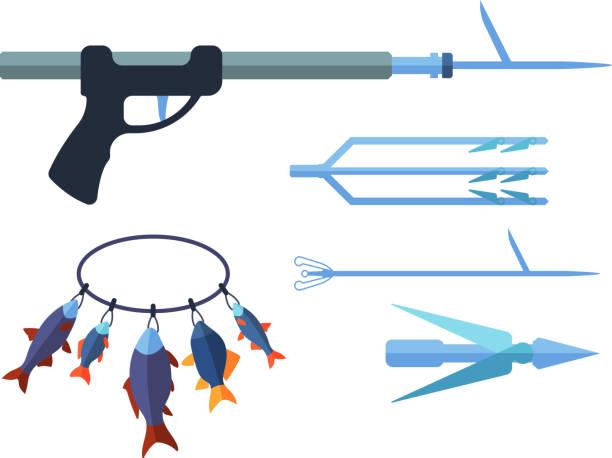
The fishing equipment sector is experiencing a period of transformation driven by technological innovation, shifting consumer lifestyles, and increasing environmental awareness. Modern fish hunting tools are evolving beyond traditional designs to incorporate enhanced durability, smart functionality, and ergonomic efficiency. These advancements enable users to operate effectively in diverse aquatic environments while reducing physical strain and environmental impact. Growing interest in outdoor recreation and sustainable harvesting practices continues to attract new participants, strengthening demand for advanced equipment solutions worldwide.
Manufacturers are focusing on product innovation as a key strategy for maintaining competitiveness. Lightweight materials, corrosion-resistant coatings, and modular construction techniques improve product longevity and usability. Digital integration is also becoming increasingly common, with accessories designed to enhance navigation accuracy and performance tracking. Such developments support both professional and recreational users, encouraging consistent equipment upgrades and fostering long-term customer relationships. Meanwhile, industry players are emphasizing responsible sourcing and eco-friendly production methods to align with evolving consumer expectations and regulatory requirements.
Detailed insights into the Fish Hunting Equipment Market show that regional demand patterns vary significantly based on cultural traditions and economic conditions. Developed markets often prioritize premium, technology-driven equipment, whereas emerging economies focus on affordability and accessibility. Companies expanding globally must adapt product offerings and marketing strategies to reflect local preferences. Strategic partnerships with regional distributors help manufacturers build trust and improve market penetration while ensuring efficient supply chain operations.
Evaluating competitive positioning through the lens of Fish Hunting Equipment market share reveals increasing competition among established brands and innovative startups. Companies differentiate themselves through design innovation, sustainability credentials, and superior customer support. Investments in research and development are enabling rapid product iteration cycles, allowing businesses to respond quickly to evolving user needs. Additionally, direct-to-consumer sales models are gaining popularity, providing manufacturers with valuable consumer data that informs future product development and marketing decisions.
Supply chain resilience has become an essential consideration amid fluctuating raw material costs and logistical uncertainties. Organizations are adopting advanced forecasting tools to predict demand and optimize production schedules. Digital inventory systems improve efficiency by reducing delays and minimizing waste. Marketing strategies increasingly highlight transparency, durability, and environmental responsibility, helping brands build credibility with environmentally conscious consumers. Community engagement initiatives and educational programs also strengthen customer loyalty by promoting safe equipment usage and responsible harvesting practices.
Looking ahead, the industry is expected to benefit from continued advancements in materials science and digital connectivity. Smart equipment capable of integrating with mobile applications may become standard, providing users with data-driven insights that enhance efficiency and safety. Sustainability will remain a central focus, influencing design decisions and procurement policies across global markets. Expansion into new geographic regions supported by tourism and aquaculture development will further drive demand. Companies that successfully combine technological innovation with affordability and environmental stewardship are likely to achieve sustained growth. As consumer expectations evolve, organizations must remain agile, investing in continuous improvement and collaborative partnerships that encourage innovation. The long-term outlook indicates stable expansion fueled by rising participation in fishing activities, improved product accessibility, and growing awareness of responsible aquatic resource management practices. These factors collectively ensure the sector’s continued relevance and create opportunities for manufacturers, distributors, and investors seeking growth within the evolving outdoor recreation economy worldwide.

 English
 Arabic
 French
 Spanish
 Portuguese
 Deutsch
 Turkish
 Dutch
 Italiano
 Romaian
 Portuguese (Brazil)
 Greek