


Plant Based Protein Market Size, Share, and Forecast Insights
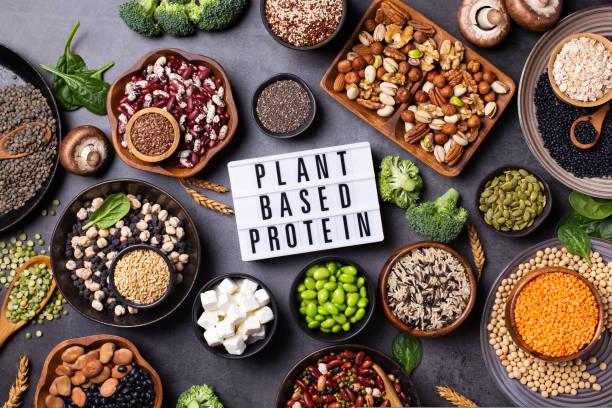
The global demand for alternative nutrition solutions has elevated plant-based proteins into a critical segment of the food industry. Consumers are actively seeking products that support wellness goals while minimizing environmental impact. This demand is reshaping how manufacturers assess opportunity, scale production, and prioritize innovation across protein categories.
Within the Plant Based Protein Market, scale is influenced by both consumption patterns and industrial capacity. Growth in packaged foods, foodservice offerings, and nutritional supplements contributes to expanding volumes. At the same time, investments in processing infrastructure enable higher output and consistent quality, supporting broader market penetration.
Evaluating Plant Based Protein market size requires consideration of multiple revenue streams, including ingredient sales and finished consumer products. Ingredient suppliers benefit from long-term contracts with manufacturers, while branded companies capture value through product differentiation and direct consumer engagement. Together, these layers define the overall economic footprint of the sector.
Technological efficiency plays a decisive role in scalability. Advances in protein isolation and texturization reduce waste and improve yield, directly impacting cost structures. As efficiencies improve, price gaps between plant-based and animal proteins continue to narrow, making alternatives more accessible to price-sensitive consumers.
Market opportunity is also shaped by regional dietary norms. In regions with historically high plant protein consumption, such as parts of Asia, modern formulations offer familiar nutrition in convenient formats. In Western markets, innovation focuses on replicating traditional animal-based products to ease dietary transitions.
Sustainability metrics further enhance market appeal. Reduced greenhouse gas emissions, lower water usage, and improved land efficiency resonate with environmentally conscious buyers and institutional investors. These attributes strengthen the long-term value proposition of plant-based proteins.
Overall, understanding scale is not limited to current volumes but extends to future capacity and adoption potential. Companies that align operational expansion with evolving consumer demand are well positioned to capture sustained value in this growing market.
Browse More Report:
Fresh Pears Market
Functional Coffee Market
Yogurt Market
Impulse Ice Cream Market
Personal Luxury Good Market
4K Display Resolution Market
Cellulite Treatment Market
Citrus Oil Market
Beard Oil Market

 Arabic
 French
 Spanish
 Portuguese
 Deutsch
 Turkish
 Dutch
 Italiano
 Russian
 Romaian
 Portuguese (Brazil)
 Greek