


Medication Management for Depression: Insights from Psychopharmacology Experts
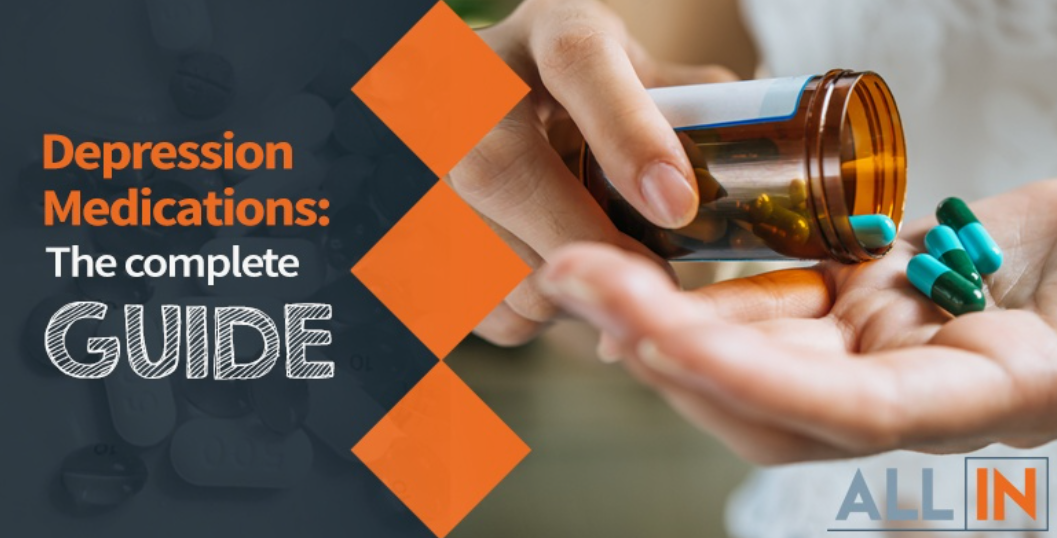
Depression is one of the most common mental health conditions worldwide, affecting millions of individuals across age groups, backgrounds, and lifestyles. While therapy, lifestyle changes, and social support play critical roles in managing depression, medication often forms a cornerstone of treatment for many patients. However, effective medication management for depression requires a precise, individualized approach guided by psychopharmacology experts.
Understanding Depression and Its Impact
Depression is more than just feeling sad or having a “bad day.” It is a complex mental health disorder characterized by persistent low mood, loss of interest or pleasure, changes in appetite and sleep, difficulty concentrating, and feelings of hopelessness. Left untreated, depression can lead to significant impairments in work, relationships, and overall quality of life.
Given its complexity, treating depression is rarely one-size-fits-all. Multiple factors—genetic, biological, environmental, and psychological—contribute to its onset and severity. That is why psychopharmacology experts, who specialize in the effects of medications on mood and behavior, play a crucial role in developing effective treatment plans.
The Role of Medication in Depression Treatment
Antidepressant medications are often prescribed when depression symptoms are moderate to severe, or when other interventions alone have not provided relief. The primary goal of these medications is to correct chemical imbalances in the brain, particularly involving neurotransmitters like serotonin, norepinephrine, and dopamine, which regulate mood, motivation, and emotional response.
Common Classes of Antidepressants
- Selective Serotonin Reuptake Inhibitors (SSRIs): Often the first line of treatment, SSRIs such as fluoxetine and sertraline increase serotonin levels in the brain, helping improve mood and reduce anxiety.
- Serotonin-Norepinephrine Reuptake Inhibitors (SNRIs): Medications like venlafaxine and duloxetine act on both serotonin and norepinephrine, addressing symptoms such as fatigue and lack of energy in addition to mood.
- Tricyclic Antidepressants (TCAs): Older medications, including amitriptyline, are effective but often used as second-line treatments due to their higher risk of side effects.
- Atypical Antidepressants: This diverse group, which includes bupropion and mirtazapine, is selected based on individual symptom profiles and side effect considerations.
- Monoamine Oxidase Inhibitors (MAOIs): Rarely prescribed today due to dietary restrictions and potential interactions, MAOIs are reserved for treatment-resistant cases.
Why Medication Management Matters
While antidepressants can be life-changing, their effectiveness depends heavily on proper medication management for depression. Incorrect dosages, unaddressed side effects, or premature discontinuation can limit benefits or worsen symptoms.
Psychopharmacology experts bring specialized knowledge to this process, helping ensure that patients receive the most effective medication tailored to their needs. Proper management involves:
- Accurate Diagnosis: Identifying the type and severity of depression is essential to selecting the right medication.
- Individualized Treatment Plans: Age, medical history, coexisting conditions, and potential drug interactions all influence medication selection.
- Monitoring and Adjustment: Regular follow-ups allow for dose adjustments, evaluation of side effects, and assessment of treatment efficacy.
- Education and Support: Patients need guidance on how to take medications correctly, what side effects to expect, and how long it may take to see improvements.
The Expertise of Psychopharmacology Experts
Psychopharmacology experts are typically psychiatrists or clinical pharmacologists with advanced training in how drugs affect the brain and behavior. They combine knowledge of neuroscience, pharmacology, and clinical experience to optimize medication strategies for individuals with depression.
Key contributions of psychopharmacology experts include:
- Selecting the Most Appropriate Medication: Based on symptom profiles, patient history, and evidence-based guidelines.
- Minimizing Side Effects: Identifying medications with fewer adverse effects and managing those that arise.
- Monitoring Drug Interactions: Ensuring that medications for other conditions do not interfere with antidepressant therapy.
- Titrating Doses Safely: Adjusting doses incrementally to achieve therapeutic effects while reducing risks.
- Addressing Treatment Resistance: For patients who do not respond to initial treatments, experts can recommend alternative medications or combination therapies.
Challenges in Medication Management for Depression
Despite advancements, managing depression with medication is not without challenges. Some common issues include:
- Delayed Onset of Effects: Antidepressants often take several weeks to produce noticeable improvements, which can be discouraging for patients.
- Side Effects: Nausea, insomnia, weight changes, sexual dysfunction, and emotional blunting can affect adherence.
- Polypharmacy: Patients with multiple health conditions may be taking several medications, increasing the risk of interactions.
- Stigma and Misunderstanding: Misconceptions about mental health medications can lead to discontinuation or noncompliance.
These challenges underscore the importance of ongoing care and consultation with psychopharmacology experts to navigate the complexities of treatment.
Integrating Medication with Comprehensive Care
While medication is a powerful tool, it is most effective when integrated into a holistic care plan. Combining pharmacological treatment with psychotherapy, lifestyle changes, and social support enhances outcomes.
- Cognitive Behavioral Therapy (CBT): Helps patients recognize and modify negative thought patterns contributing to depression.
- Mindfulness and Stress Management: Techniques like meditation, yoga, or journaling can complement medication effects.
- Exercise and Nutrition: Regular physical activity and balanced nutrition have proven benefits for mood regulation.
- Support Networks: Family, friends, and support groups play a vital role in sustaining mental health.
The Future of Depression Medication Management
Advances in neuroscience, genetics, and psychopharmacology are paving the way for more personalized treatment approaches. Emerging trends include:
- Pharmacogenetic Testing: Analyzing genetic factors to predict which medications will be most effective and cause the fewest side effects.
- Rapid-Acting Antidepressants: Research into ketamine and other novel agents offers faster symptom relief for treatment-resistant depression.
- Digital Monitoring Tools: Apps and wearable technology help track mood, medication adherence, and side effects in real time.
These innovations promise to make medication management for depression more precise, effective, and patient-centered, while psychopharmacology experts remain at the forefront of applying these tools in clinical practice.
Conclusion
Depression is a complex and multifaceted condition that requires thoughtful, individualized care. Medication plays a critical role in treatment, but its success depends on careful medication management for depression guided by knowledgeable psychopharmacology experts. By selecting the right medications, monitoring their effects, and integrating therapy and lifestyle strategies, patients have the best chance of achieving sustained relief and improved quality of life.
Whether you are beginning your journey with depression treatment or seeking to optimize ongoing care, consulting with psychopharmacology experts ensures that your medication plan is safe, effective, and tailored to your unique needs.
 Spanish
 English
 Arabic
 French
 Portuguese
 Deutsch
 Turkish
 Dutch
 Italiano
 Russian
 Romaian
 Portuguese (Brazil)
 Greek